Dropshipping Fulfillment Services for Scalable ecommerce
What Is Dropshipping?
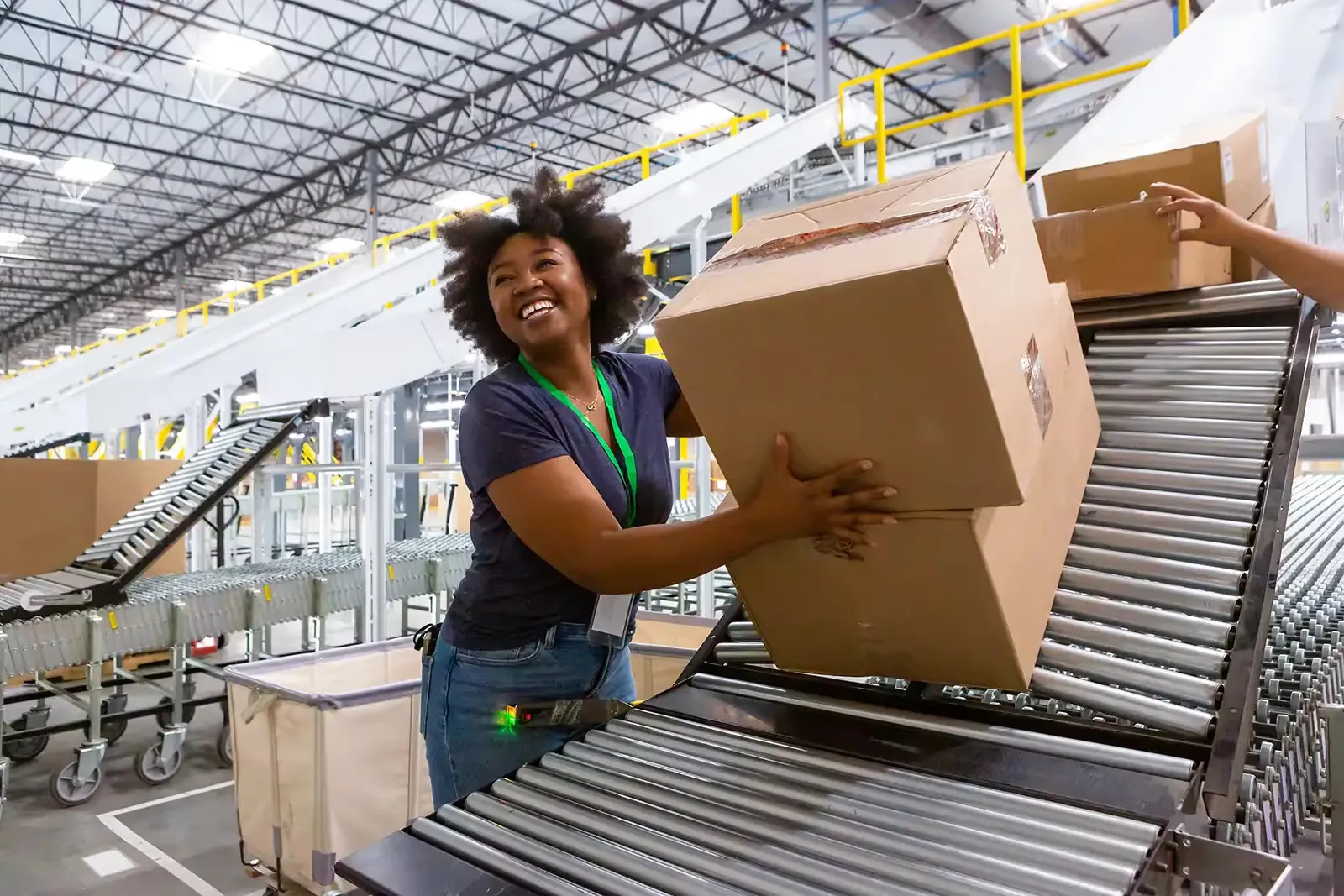
Retail dropshipping programs, marketplace fulfillment, and merchant-fulfilled ecommerce have become essential growth channels for brands that want to expand their reach while maintaining control over inventory.
For manufacturers, distributors, and consumer brands, this creates a significant opportunity, but only if they have the operational capabilities to support it.
a2b Fulfillment enables brands to sell through retailer programs, online marketplaces, Amazon Fulfilled by Merchant (FBM), and Amazon Seller Fulfilled Prime (SFP) while managing a single, centralized inventory pool. Instead of allocating inventory separately for every customer and sales channel, your inventory remains flexible and available to fulfill whichever order comes next.
The result is a more efficient supply chain, lower inventory investment, improved cash flow, and the ability to grow sales without growing inventory. Because inventory ships from our fulfillment centers, customers receive fast shipping and reliable delivery times on every dropshipping order, while your business avoids extra inventory storage costs.
Ready to expand into more sales channels with one flexible inventory strategy?
Contact a2b Fulfillment today to learn how our dropshipping fulfillment solutions can help your business scale.
Expand Into More Sales Channels Without Expanding Inventory
Retailers are changing the way they purchase products.
Rather than stocking every SKU in their own distribution centers, many retailers now operate dropshipping or Vendor Direct programs that allow brands to ship products directly to consumers after an order is placed. This allows retailers to significantly expand their online assortment while minimizing inventory investment and reducing operational complexity.
For brands, retail dropshipping opens the door to new revenue opportunities without requiring inventory to be shipped into each retailer's warehouse.
At the same time, online marketplaces continue to grow. Programs like Amazon Fulfilled by Merchant (FBM), Amazon Seller Fulfilled Prime (SFP), Walmart Marketplace, and other merchant-fulfilled channels allow brands to reach even more customers while maintaining ownership of their inventory.
Managing these channels independently can quickly become operationally complex.
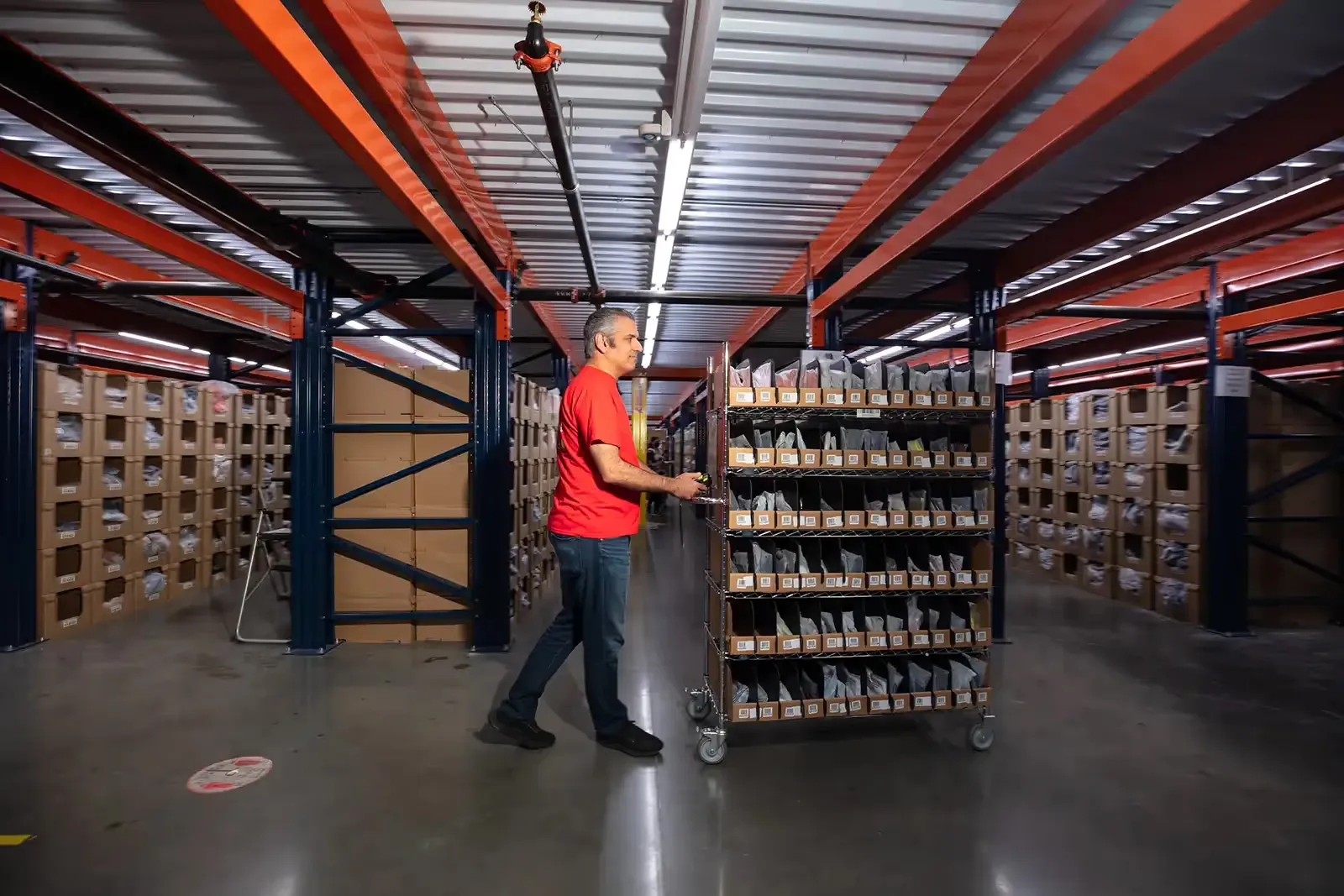
a2b simplifies the process by connecting every sales channel to a single order fulfillment operation. Orders flow automatically into our warehouse, inventory is synchronized in real time, and shipments are processed according to each retailer's or marketplace's unique requirements.
One Inventory Pool. Unlimited Sales Channels
One of the greatest financial advantages of retail dropshipping isn't simply faster fulfillment; it's inventory optimization.
Many brands unintentionally create inventory silos by allocating products separately for wholesale customers, ecommerce orders, retailers, marketplaces, and promotional programs. Each channel requires its own safety stock, resulting in more inventory than the business actually needs.
- Direct-to-consumer ecommerce orders
- Wholesale and B2B shipments
- Retailer dropshipping orders
- Amazon Fulfilled by Merchant (FBM) orders
- Amazon Seller Fulfilled Prime (SFP) orders
- Walmart Marketplace orders
- Other marketplace orders
- Promotional campaigns
- Replacement and warranty shipments
Instead of managing inventory by customer or channel, you manage inventory by SKU.This flexibility improves inventory utilization, reduces excess stock, lowers carrying costs, and allows inventory to move where demand exists; not where it happened to be allocated months earlier.
For many growing brands, maintaining one inventory pool becomes one of the most effective ways to improve working capital while supporting additional sales channels. For a growing brand, dropshipping shortens the manufacturing-to-cash cycle because you avoid having to send inventory to the retailer in advance.
How Retail Dropshipping Works
Everything happens automatically, allowing you to scale efficiently while maintaining complete visibility into your order fulfillment operation.
The payoff is a better customer experience: every customer receives accurate tracking, dependable delivery speeds, and consistent delivery times, which helps your business win customer satisfaction.
Why Brands Choose a2b
for Retail Dropshipping Fulfillment
Supported Retailers, Marketplaces
& ecommerce Platforms
























The Financial Benefits of Centralized Inventory
Centralized fulfillment isn't simply operationally efficient; it delivers measurable financial value.
- Reduce total inventory investment
- Lower inventory carrying costs
- Decrease safety stock requirements
- Improve inventory turns
- Free up working capital
- Reduce obsolete inventory
- Improve inventory forecasting
- Launch new retailers faster
- Expand into marketplaces without additional warehouse infrastructure
- Increase inventory flexibility across every sales channel
Instead of purchasing additional inventory every time you add a retailer or marketplace, your existing inventory becomes more productive.
For finance and operations teams, this translates into lower costs, improved cash flow, and more resilient supply chain management.
Technology That Keeps Every Channel Connected
Successful retail dropshipping depends on accurate, real-time information.
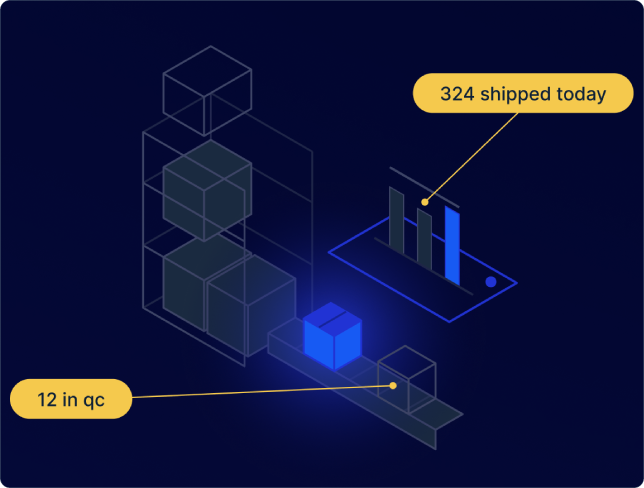
a2b's warehouse management system continuously synchronizes inventory availability across connected retailers, marketplaces, ecommerce platforms, and business systems. This helps prevent overselling while ensuring inventory updates occur immediately after every shipment.
Our technology integrates with ecommerce platforms, Marketplaces, ERPs, retailer EDI connections, order management systems, and shipping carriers, automating every step of fulfillment.
Whether you're fulfilling wholesale orders, retailer dropshipping orders, Amazon Seller Fulfilled Prime shipments, or direct-to-consumer purchases, every order is managed through one streamlined order fulfillment operation.
Frequently Asked Questions
What is retail dropshipping?
Why do brands use retailer dropshipping programs?
What marketplaces and merchant fulfillment programs can a2b support?
How does centralized inventory reduce costs?
How does a2b help dropshipping brands scale across channels?
What dropshipping and fulfillment channels does a2b support?
a2b supports:
- Retailer dropshipping
- Marketplace fulfillment
- Amazon Fulfillment fo FBA, FBM & SFP Sellers
- Wholesale distribution
- Direct-to-consumer ecommerce
All of these channels run from a single, flexible inventory pool. We bring the technology, the retailer compliance expertise, a nationwide fulfillment network and 25+ years of experience to keep every channel running smoothly.
Grow Your Distribution
Without Growing Your Inventory
Ready to unlock new revenue opportunities while optimizing your inventory strategy?
Contact a2b Fulfillment today to learn how our dropshipping fulfillment solutions can help your business scale with confidence.