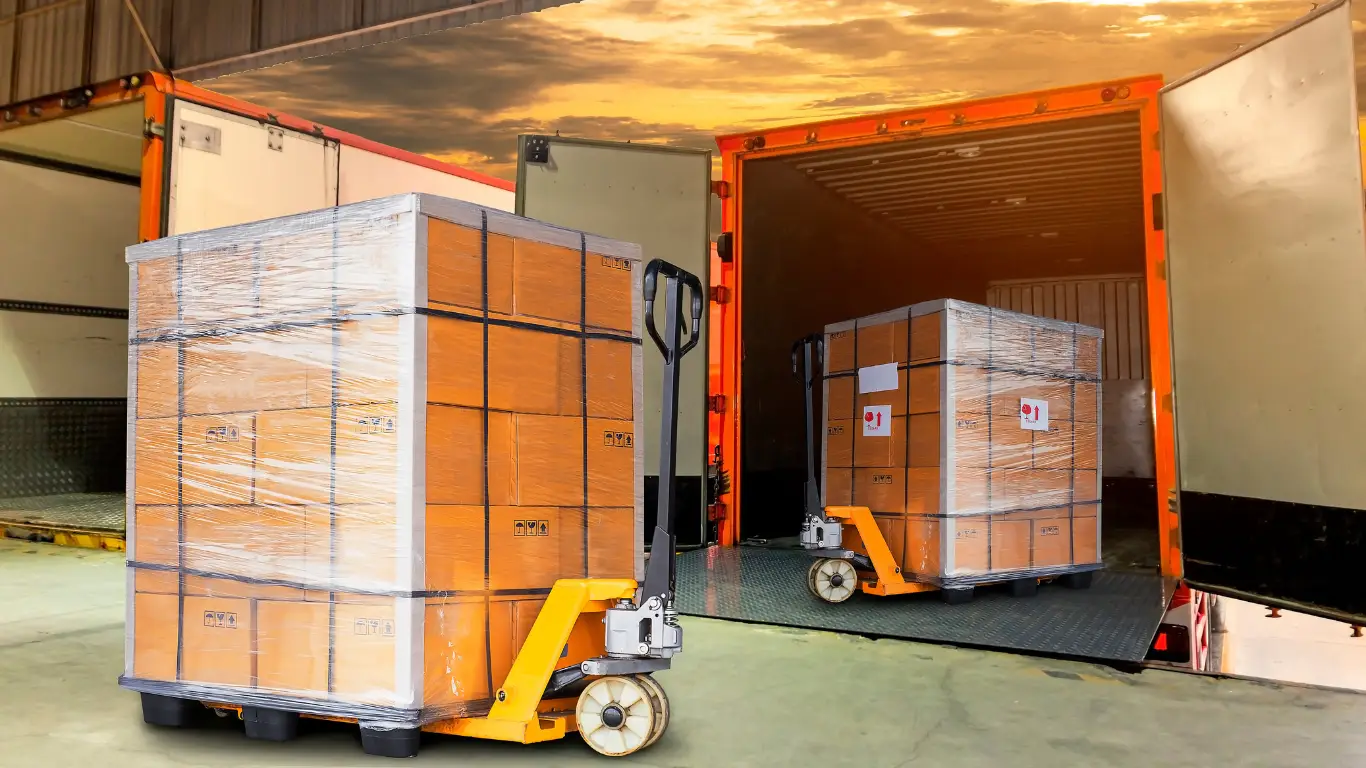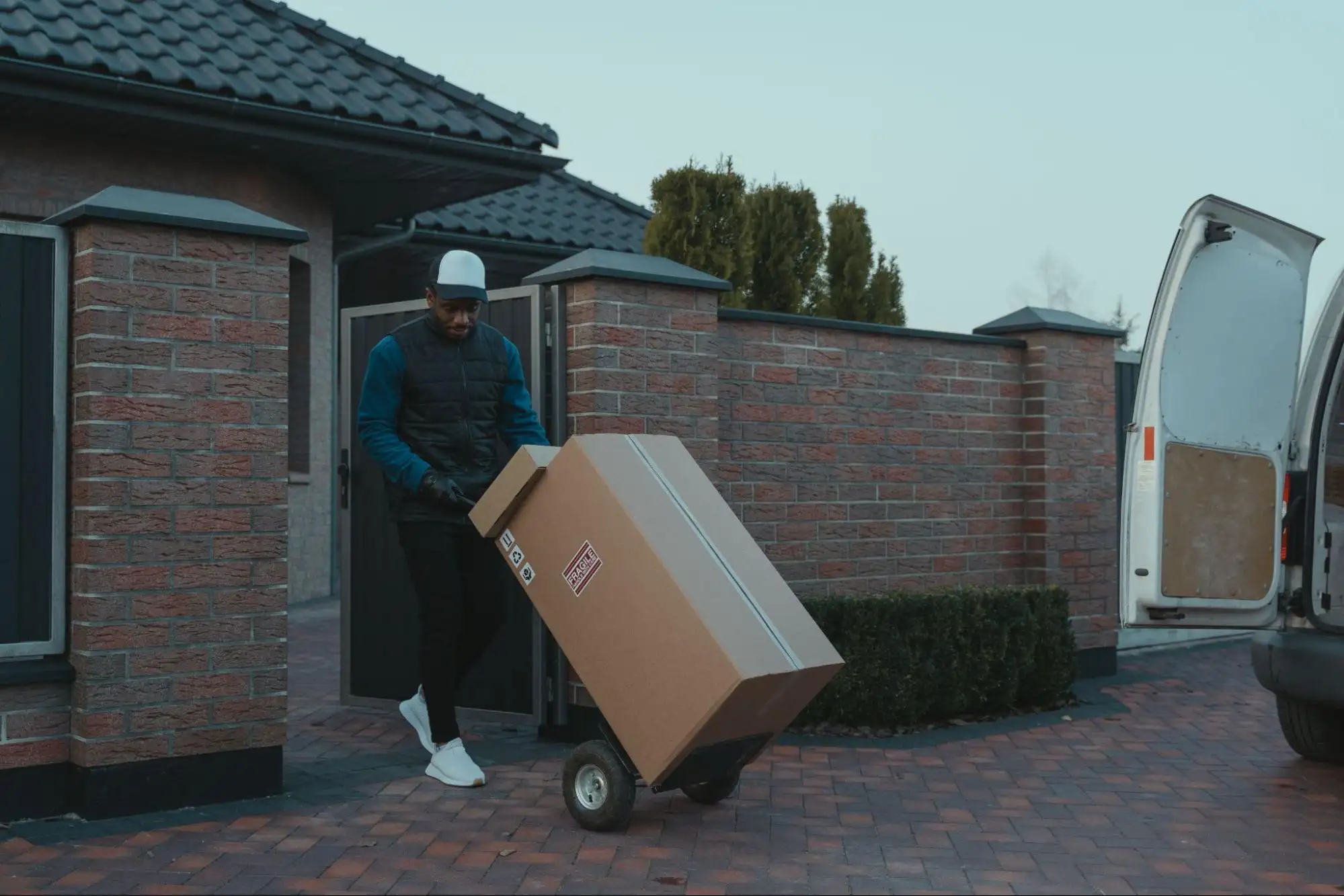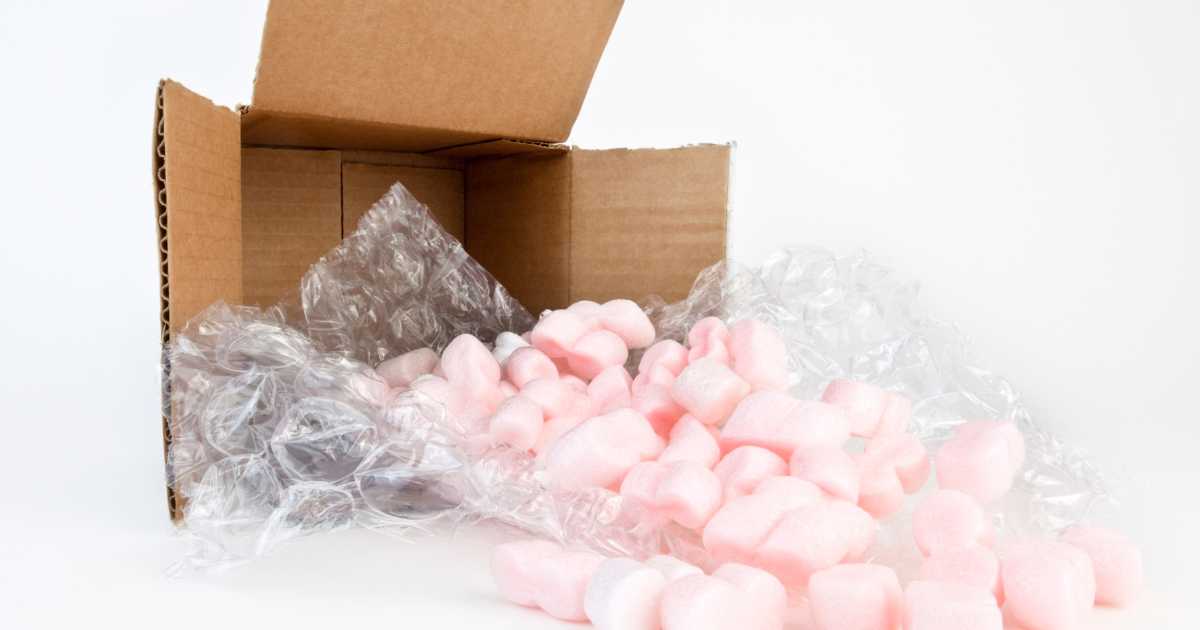
Dunnage refers to materials used to fill empty spaces in packages to ensure damage-free shipping. It prevents shifting and damage during transit, ensuring that products remain secure. Common dunnage materials include paper, packing peanuts, air pillows, and, for freight shipments, wood, plastic, metal, and foam.
This article explores the definition of dunnage, its uses, and various types. Additionally, it provides guidance on selecting the appropriate dunnage or packing materials for different needs. Dunnage plays a crucial role in packaging, regardless of the shipping method.\
Table of Contents
- What Is Dunnage?
- Benefits and Uses of Dunnage
- Is Dunnage Reusable?
- Alternative Primary Packaging Options
- Conclusion
- Dunnage FAQs
What Is Dunnage?
Dunnage encompasses any material used to support or prevent product damage during transportation. While dunnage comes in various forms, its primary function remains the same: safeguarding shipments and cargo from shifting, vibration, and impact. There is widespread growth in the dunnage market at the global level, registering a CAGR (Compound Annual Growth Rate) of 6.2% from 2025 to 2030.
Using dunnage offers significant benefits, including minimizing damage-related costs and enhancing safety by reducing the risk of injury from shifting cargo.
Types of Dunnage Materials
Dunnage materials vary based on their purpose and industry application. Below are some of the most commonly used types:
Package Dunnage
1. Bubble Wrap
- Cost-effective and reusable if bubbles remain intact.
- Available in various bubble sizes to accommodate different packaging needs.
- Used for filling gaps in packages and preventing item movement.
- Ideal for industries such as electronics, ceramics, and glass.
2. Packing Peanuts
- Commonly referred to as foam peanuts or packing noodles.
- Interlock when compressed to offer cushioning.
- Commonly used for fragile item shipping.
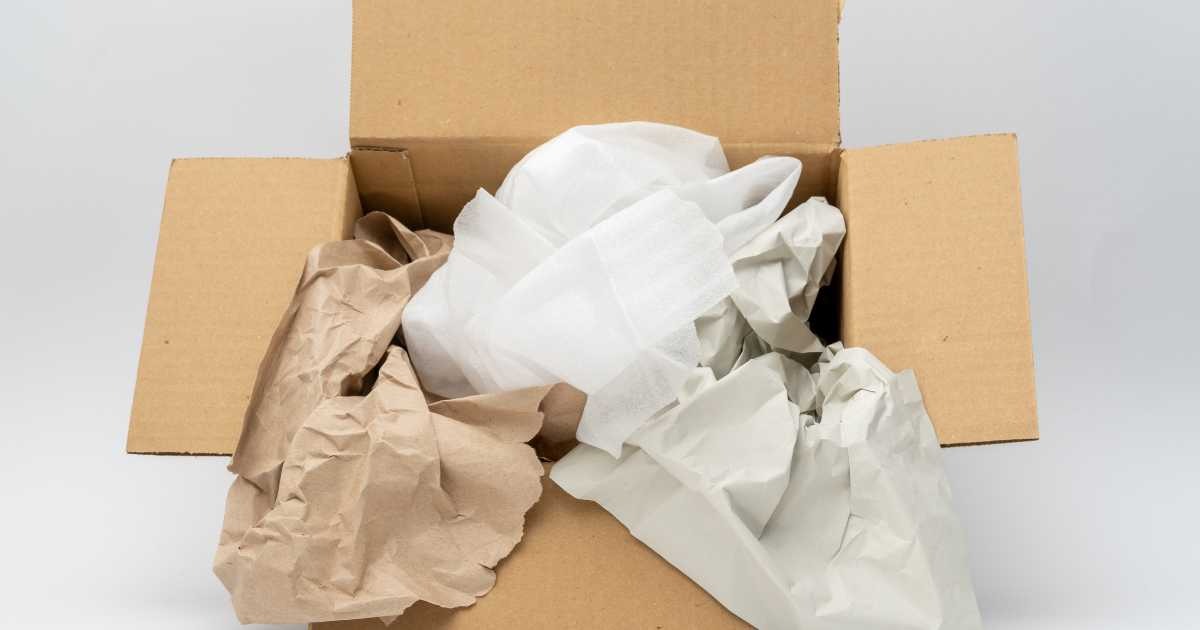
3. Corrugated Paper
- Composed of two liner boards with fluting in between.
- Moisture-resistant, recyclable, and biodegradable.
- Widely used in shipping, automotive, and food and beverage industries.
4. Air Pillows
- Lightweight and effective for filling empty spaces in packaging.
- Prevents items from shifting and absorbing shocks during transit.
- Commonly used for shipping electronics, glassware, and delicate equipment.
5. Kraft Paper
- Durable and often repurposed or recycled.
- Used as wrapping material, container liners, or insulation.
- Common in packaging and construction industries.
6. Foam
- Highly versatile and customizable for protective packaging.
- Lightweight yet impact-resistant, making it suitable for delicate items.
- Used in medical equipment shipping, furniture cushioning, and insulation.
Freight Dunnage:
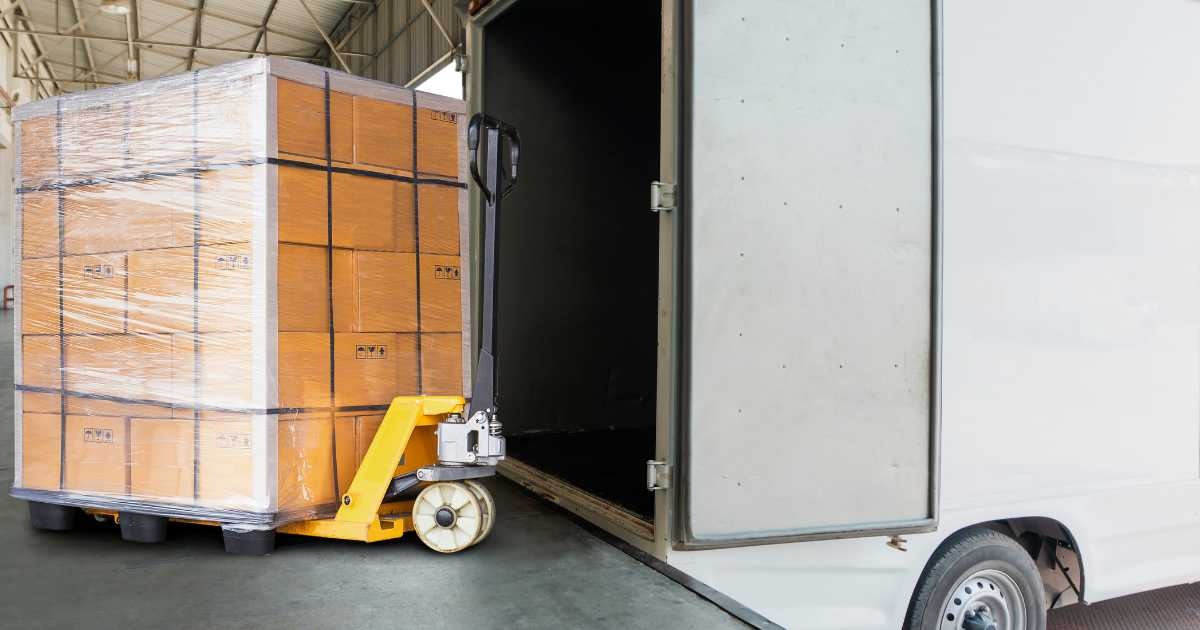
1. Solid Plastics
- Made from high-density polyethylene for strength and durability.
- Protects shipments from abrasions and damage.
- Commonly used for stacking pallets and shielding heavy or sharp objects.
- Utilized extensively in the shipping and logistics industries.
2. Wood
- Provides stability and weight distribution for heavy loads.
- Protects goods from shifting and collisions.
- Frequently used in transportation and logistics for heavy shipments.
3. Steel Dunnage
- Extremely strong and durable, ideal for high-value and heavy items.
- Offers superior protection but is more expensive than other materials.
- Suitable for industries requiring maximum security for goods.
4. Custom Dunnage
- Designed to specific dimensions for fragile or high-value items.
- Materials include foam, plastics, and metal, chosen based on protection needs.
- Often required for regulatory compliance in industries like medical equipment shipping.
Benefits and Uses of Dunnage

Dunnage provides numerous advantages for shipments, including:
1. Damage Protection
- Prevents crushing, impact damage, and breakage during transport.
- Stabilizes goods and prevents shifting.
2. Moisture and Contamination Protection
- Absorbs moisture and guards against spills.
- Keeps products and cargo clean and dry.
3. Shock Absorption
- Airbags and foam padding cushion items from impacts and vibrations.
- Helps prevent both physical and moisture-related damage.
4. Easier Handling of Heavy Items
- Fills gaps to stabilize loads, making transport safer.
- Protects delicate items from scratches and dents.
5. Improved Air Circulation
- Prevents spoilage in food storage by allowing air to flow between items.
- Reduces mold and mildew formation.
Is Dunnage Reusable?
Many dunnage types are reusable, depending on their durability. Air cushions, cardboard boxes, and wooden pallets are commonly reused due to their strength and longevity. Reusable dunnage helps businesses reduce costs and minimize environmental impact.
Alternative Primary Packaging Options

Apart from dunnage, other primary packaging options include:
1. Component Packs
- Small packs that protect individual components within a product.
- Common in electronics packaging.
2. Unit Loads
- Consolidate multiple products into a single shipment (e.g., a pallet of bricks).
- Reduces shipping costs and improves efficiency.
3. Kit Packs
- Groups similar items in a single package, commonly used for kits including health and medical supplies.
- Useful for bulk shipments and promotional packaging.
4. Multi-Material Packaging
- Combines materials like paper, plastic, and aluminum foil.
- Enhances protection against moisture and oxygen contamination.
- Often used in the food and beverage industries but can be challenging to recycle.
Conclusion

Dunnage refers to materials used to keep goods safe in transit. These play a critical role in securing and protecting your products. The right dunnage type depends on factors such as product fragility, weight, and shipping conditions. Dunnage prevents damage from movement and collision. Whether using plastic, wood, or custom dunnage, businesses can minimize damage, enhance safety, and improve shipping efficiency.
The dunnage market is growing steadily as there are environmental and cost benefits to using dunnage. It is crucial to use when shipping items to reduce damage-related costs. Some dunnage materials are recyclable, like paper-based products, or even biodegradable, such as packing peanuts made from cornstarch. Due to increased demand spanning an array of industries, safe packaging solutions are essential. a2b utilizes a variety of dunnage, ensuring that your products arrive at their destination intact and damage-free. Contact us today for more information.
Dunnage FAQs
What is dunnage?
Dunnage is material used to protect, brace, and secure cargo during shipping and storage. It fills empty space, keeps items from shifting, and absorbs shock so goods arrive undamaged.
What are common types of dunnage?
Common types include air pillows, bubble wrap, kraft paper, packing peanuts, foam inserts, corrugated cardboard, inflatable dunnage bags, and wood blocks or boards. Lighter materials work for parcels. Wood and dunnage bags are used for heavier freight.
What is dunnage in trucking?
In trucking, dunnage usually means wood blocks, boards, or airbags placed under or between loads on a trailer. It keeps freight off the deck, makes forklift access easier, and stops cargo from shifting in transit.
Is dunnage reusable?
Often, yes. Wood, plastic, and foam dunnage and returnable dunnage systems can be used for many shipments. Paper and corrugated dunnage are usually recyclable, and some loose fill is biodegradable.
What is the difference between dunnage and packaging?
Packaging is the main container that holds a product, like a box or crate. Dunnage is the extra material inside or around that container that cushions, braces, or fills space to protect the product.
Subscribe to receive the latest a2b Fulfillment blog posts to your inbox every week.