Every time a truckload of goods moves from a warehouse to a store shelf, there is a good chance this process is at work. Whether you manage retail distribution, e-commerce orders, or large shipments, packing and securing products matter. It affects speed. It affects cost. It affects safety.
What is Palletization?
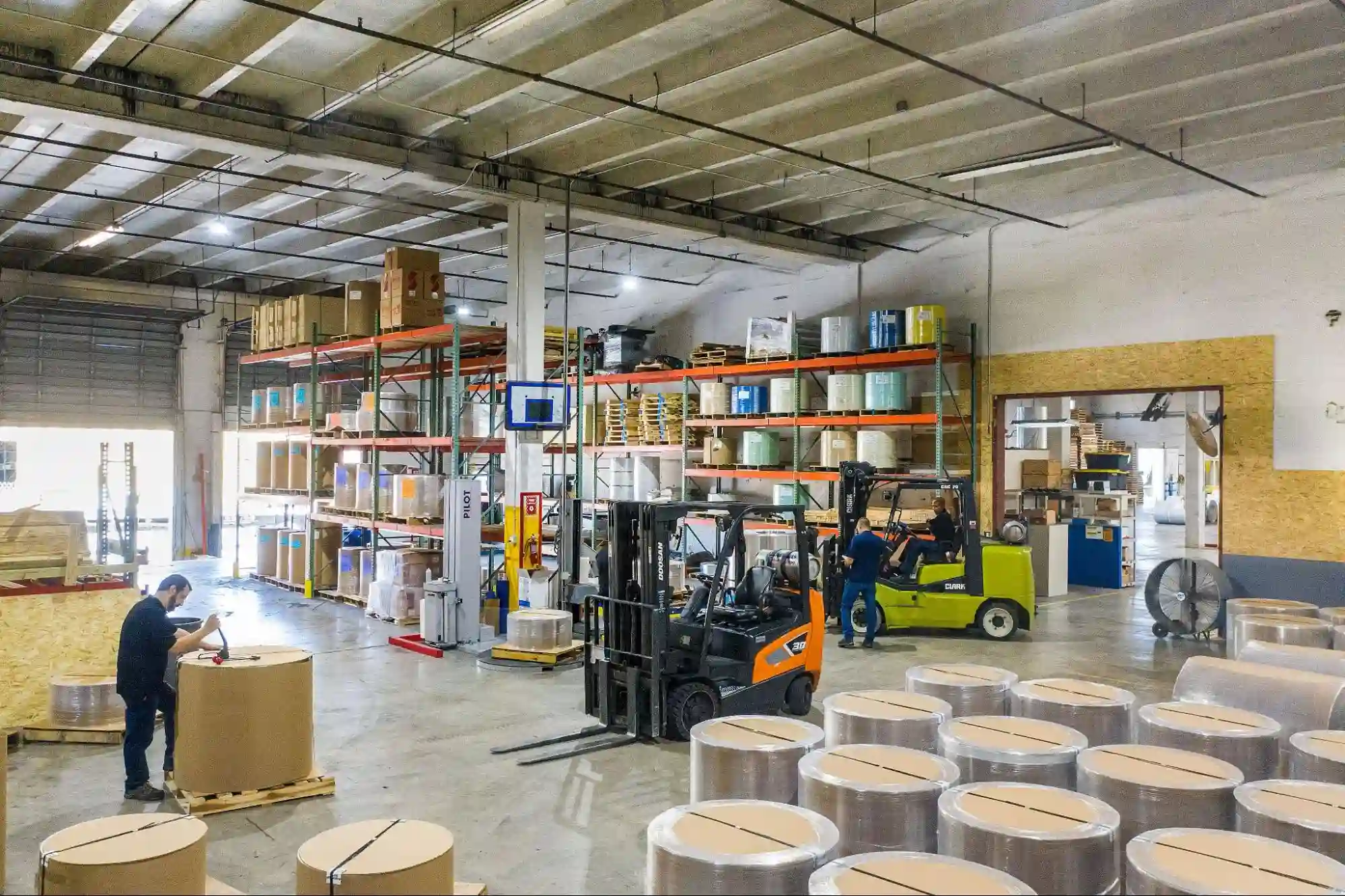
Palletization is the process of stacking, arranging, and securing goods onto a pallet so they can be stored or transported as a single unit. Instead of handling dozens of individual boxes, workers and equipment move one stable load, called a "unit load." This approach is the building block of modern logistics.
Manufacturers most commonly make these flat platforms from wood, though many also use plastic and metal options. In North America, the standard size is 48" x 40", known as the GMA (Grocery Manufacturers Association) format. Once workers stack the goods, they secure them with stretch wrap, straps, or corner protectors to keep the load stable during transit. This is referred to as palletization optimization.
The concept has roots in the mid-20th century. During World War II, the military relied on this method to move large quantities of supplies quickly to troops on the front lines. It carried over into commercial supply chains and became a cornerstone of modern warehousing and distribution.
Today, this system is central to industries ranging from food and beverage to electronics, pharmaceuticals, and retail. It allows warehouses, trucks, and material-handling equipment to use one standard format. This makes the supply chain more predictable. It also makes it more efficient.
What are the Benefits of Palletization in Fulfillment?

This approach to unit loading is not just about convenience. It delivers real, measurable advantages across storage, transportation, labor, and safety.
- Efficiency in storage and transportation. Stacking goods vertically makes the most of warehouse height and truck capacity. According to industry research, a well-optimized unit load can reduce shipping costs by up to 30% by eliminating wasted space inside containers and trucks.
- Reduced product damage. Improperly stacked or unsecured shipments lead to costly losses. Research from GetTransport, shows that shipping damage in the food, beverage, and consumer goods sectors alone accounts for roughly $1 billion annually in the U.S., with each truckload potentially incurring losses of $50 to $500. Properly built and secured loads keep products stable and protected throughout the supply chain.
- Faster handling. Forklifts and pallet jacks can move an entire unit load in seconds. This speeds up loading and unloading, reduces truck turnaround time, and keeps warehouse operations moving without unnecessary delays.
- Cost savings. By reducing manual handling and streamlining operations, this method significantly cuts labor costs. Productivity gains of up to 20% are possible, freeing up warehouse staff to focus on higher-value tasks.
- Improved worker safety. Moving goods one box at a time increases the risk of strain, injury, and accidents. Consolidating items into unit loads reduces the need for manual lifting and individual handling, which creates a safer environment for warehouse teams.
Palletization in the Fulfillment Process
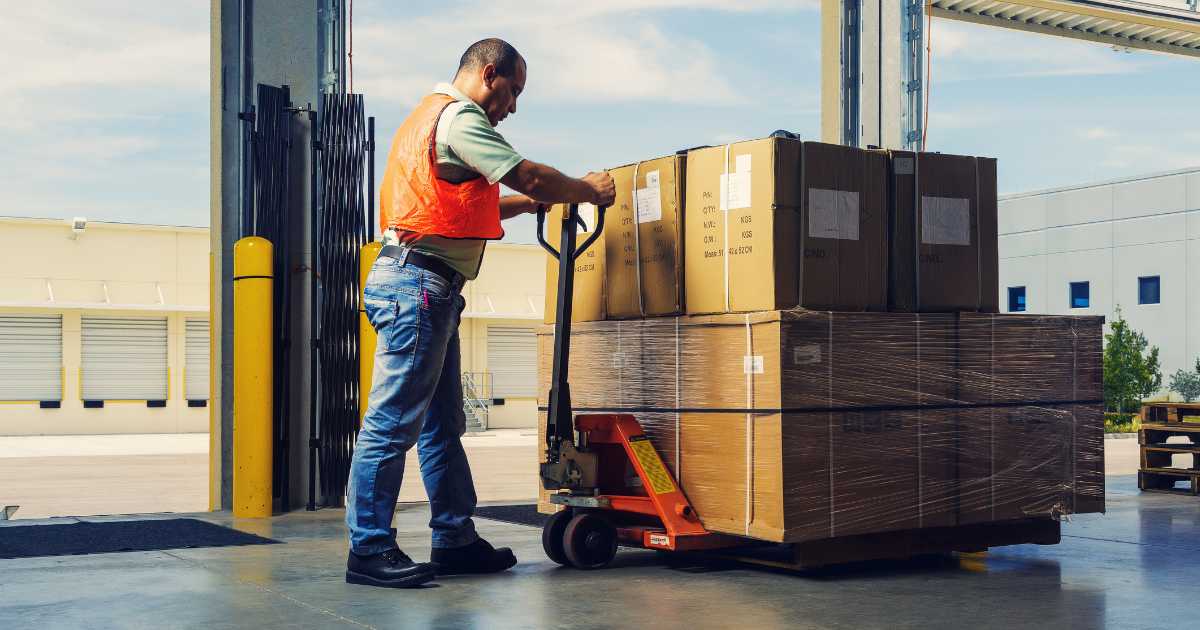
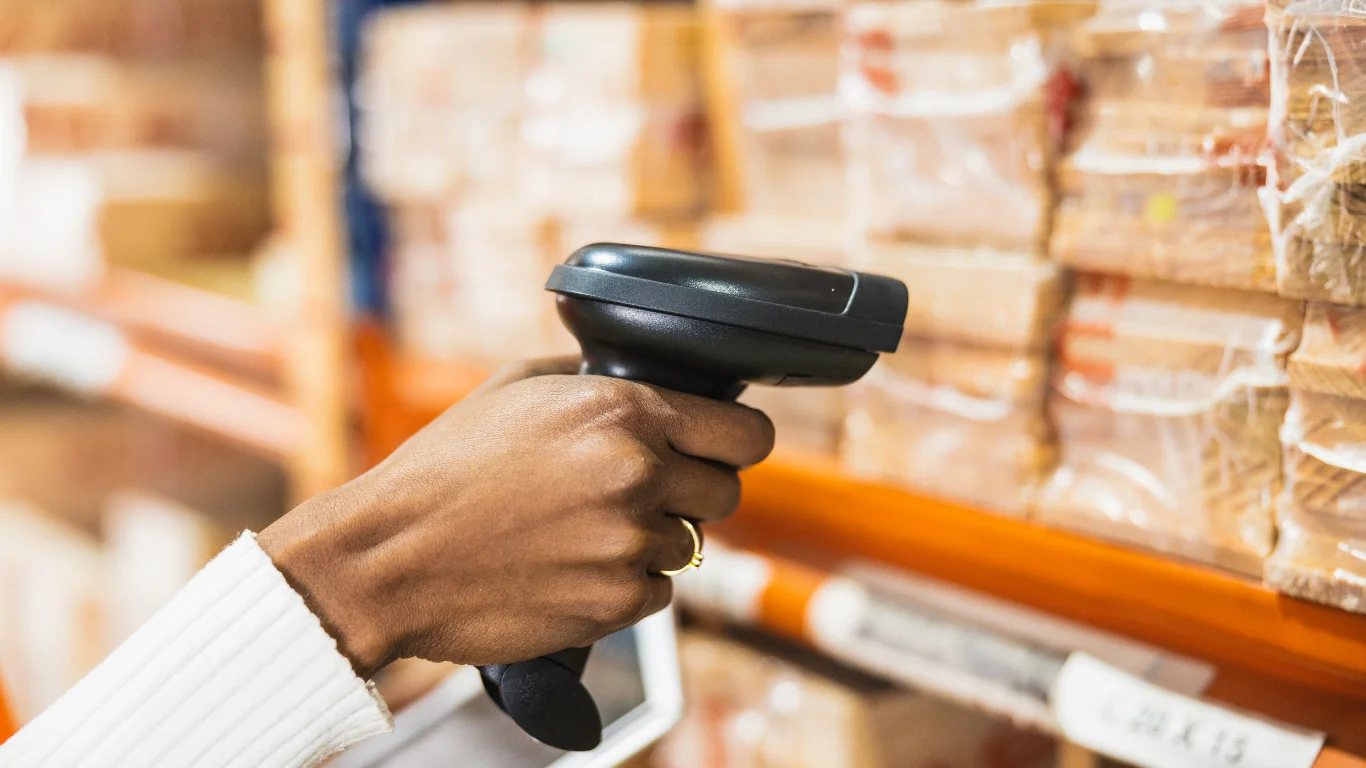
In a fulfillment operation, this process touches nearly every stage of the workflow. It starts when goods are received at a warehouse. Items are offloaded, scanned for inventory tracking, and moved to designated storage locations. When orders are ready to ship, those loads are retrieved, staged, and placed onto outbound trucks.
For 3PLs, smart load configuration is built into day-to-day operations. For retail and B2B orders, products are organized by weight, size, and fragility to make sure each unit is stable and space-efficient. Heavier items go on the bottom; lighter or fragile items are placed on top. This prevents crushing and keeps loads balanced during transit.
This is especially important for large-scale retail distribution. Big-box retailers require loads to be configured to meet specific compliance standards, often referred to as "retail compliance" requirements.
Failing to meet these standards can result in chargebacks, delays, or shipment rejections. Amazon, for example, enforces strict guidelines for its FBA (Fulfillment by Amazon) program to enable efficient sorting at its fulfillment hubs.
Industries that rely heavily on this approach include food and beverage, consumer packaged goods, pharmaceuticals, electronics, and automotive parts. In each of these sectors, the volume of goods and the need for consistent product integrity make it a practical necessity rather than a nice-to-have.
How a2b Fulfillment Helps with Palletization
a2b Fulfillment offers a full range of fulfillment and logistics services designed to support businesses at every stage of the supply chain. Load configuration and optimization are integrated into operations from the start, not treated as an afterthought.
Beyond standard load building, a2b provides value-added services that many brands need to meet the requirements of retailers and distributors. These include custom packaging, kitting, and compliance labeling. Whether you need shipments configured for a specific retail account or prepared to meet carrier requirements, a2b has the experience and infrastructure to get it done accurately and on time.
Optimized load planning also directly impacts customer satisfaction. Faster preparation means faster shipments. Properly secured loads mean fewer damaged goods and fewer returns. A well-run operation reduces errors, lowers costs, and keeps your supply chain moving without disruption.
When you partner with a2b Fulfillment, you get more than warehouse space. You get a team that understands the details that make palletization work well, from load configuration and space optimization to retail compliance and outbound logistics. That means your products get where they need to go, in the right condition, on time. "Smart palletization processes are essential in the fulfillment process. When done correctly, it improves efficiency, reduces product damage, and streamlines the movement of goods throughout the supply chain." said Dylan Turner, VP of Operations, a2b Fulfillment.
Ready to Improve Your Fulfillment Operations?

How you organize and secure goods for shipment is one of the most important and often overlooked factors in fulfillment efficiency. When done right, it reduces costs, protects products, speeds up operations, and keeps your customers happy. When done poorly, it can lead to damaged goods, missed deliveries, and costly chargebacks.
a2b Fulfillment brings the expertise and processes to make sure every load works in your favor. Learn more about our fulfillment services and see how we can become a trusted part of your supply chain.
Contact a2b Fulfillment today to get started.
About the Author
Sarah Smith is Vice President of Marketing at a2b Fulfillment, where she leads brand strategy, content, and sales enablement for one of the industry's most operationally focused third-party logistics providers. With more than 10 years of experience spanning marketing and logistics, Sarah brings a ground-level understanding of what eCommerce brands need from a fulfillment partner. Her writing covers 3PL technology, DTC and B2B fulfillment operations, supply chain strategy, and the evolving demands of modern eCommerce.