

Running a growing e-commerce business often feels like juggling. You have product development in one hand, marketing in another, and customer service balancing somewhere in between. Then there is the logistical heavy lifting: storing inventory, packing boxes, and getting orders to customers on time. This is where fulfillment solutions come into play.
If you are scaling a Direct-to-Consumer (DTC) brand or managing a complex B2B operation, you may find that your current logistics setup is struggling to keep up with your growth. Fulfillment services are designed to alleviate that pressure. By outsourcing the physical handling of your goods, you regain the freedom to focus on growth rather than tape and cardboard.
In this guide, we will explore exactly what fulfillment solutions entail, why they are critical for modern commerce, and how to choose the right partner to help your business thrive.
Why Are Fulfillment Solutions Important?
Fulfillment solutions are the backbone of e-commerce and retail supply chains. In the simplest terms, they cover the entire process of receiving goods from a manufacturer, storing them, picking items when an order comes in, packing them securely, and shipping them to the final destination.
But in the context of modern business, they represent much more than just moving boxes.
Enhancing Customer Satisfaction
Your brand reputation hinges on the moment your customer opens their package. Was it on time? Was the order correct? Was it damaged? Efficient fulfillment solutions directly impact customer satisfaction by ensuring speed and accuracy.
When you partner with a professional fulfillment provider like a2b Fulfillment, you benefit from industry-leading performance—99.9% order accuracy, 99.9% same-day fulfillment, and 99.9% inventory accuracy. These standards significantly reduce the risk of human error or shipping delays. A smooth, predictable delivery experience builds trust, encouraging customers to return to your sales channels again and again.
Cost and Capital Benefits
Handling fulfillment in-house is capital-intensive. You need to lease warehouse space, purchase packing equipment, and hire staff to manage picking and packing. You also bear the burden of fixed costs, regardless of whether you ship ten orders or ten thousand.
Outsourcing to a fulfillment partner converts these fixed costs into variable costs. You pay only for the storage space and services you use. This shift frees up capital for reinvestment in product development or marketing. Furthermore, established providers have negotiated bulk rates with carriers, allowing you to reduce shipping costs significantly compared to what you might pay on your own.
Scalability for Growth
Growth is the goal, but it can also be a logistical nightmare. During peak seasons or after a successful viral marketing campaign, order volume can spike unpredictably. If you are fulfilling orders from a garage or a small self-managed warehouse, you might not have the infrastructure to handle a sudden influx.
Fulfillment solutions offer built-in scalability. Providers have the staff, space, and technology to handle volume surges without you needing to make major investments in new infrastructure. Whether you are scaling up for the holidays or expanding into new markets, a fulfillment partner grows with you.
Geographic Reach and Omnichannel Support
Modern customers expect fast delivery, regardless of where they live. Fulfillment providers often operate multi-warehouse networks. By distributing your inventory across key regional locations, you can reach more customers within 1-2 days via ground shipping.
Additionally, many businesses sell across multiple platforms—their own website, Amazon, big-box retail partners, and more. Managing inventory levels across these diverse sales channels can be chaotic. Professional fulfillment solutions centralize inventory, providing a single source of truth for stock levels and ensuring that orders from any channel are processed seamlessly.
The Risks of Going Without
Without a strong fulfillment strategy, companies often face significant challenges. Stock-outs become common due to poor inventory visibility. Lead times stretch out, frustrating customers. Shipping costs eat into margins because you lack the volume to negotiate better rates.
Perhaps most damaging is a poor returns process, which can permanently alienate customers. A robust fulfillment solution mitigates these risks, turning logistics from a liability into a competitive advantage.
What Do Fulfillment Services Typically Include?
When we refer to fulfillment services, we mean a comprehensive suite of operations. It is not just about mailing a package; it is a synchronized ecosystem of logistics activities.
Receiving & Warehousing
The process begins long before an order is placed. Inbound logistics involves receiving shipments from your suppliers or manufacturers. A fulfillment team checks the inventory for damage, verifies quantities against packing slips, and logs the items into a warehouse management system (WMS).
Once received, the goods must be stored. Warehousing needs vary by product—some items require climate-controlled storage, while others require secure cages or high-volume pallet racking.
Inventory accuracy and tracking are paramount here. You need to know exactly how many units you have and where they are located. Professional providers use sophisticated scanning technology to track inventory in real-time. This accuracy prevents the dreaded scenario of selling an item online that is physically out of stock in the warehouse.
A strategic warehouse location strategy is also part of the service. By placing inventory in facilities closer to your end customers, you reduce transit zones. This reduces shipping costs and shortens delivery times, directly improving the customer experience.
Order Processing: Picking, Packing & Shipping
This is the heartbeat of fulfillment operations. Order processing starts the moment a customer clicks "buy."
- Order Reception: Orders flow automatically from your e-commerce platform (like Shopify or Magento), marketplace (like Amazon or Walmart), or ERP system into the fulfillment provider's WMS.
- Picking: The process of retrieving items from their storage locations. Picking methods vary based on efficiency needs. Some warehouses rely on manual picking with RF scanners to ensure accuracy, while others use robotics support to bring shelves to the picker, drastically reducing walking time and fatigue.
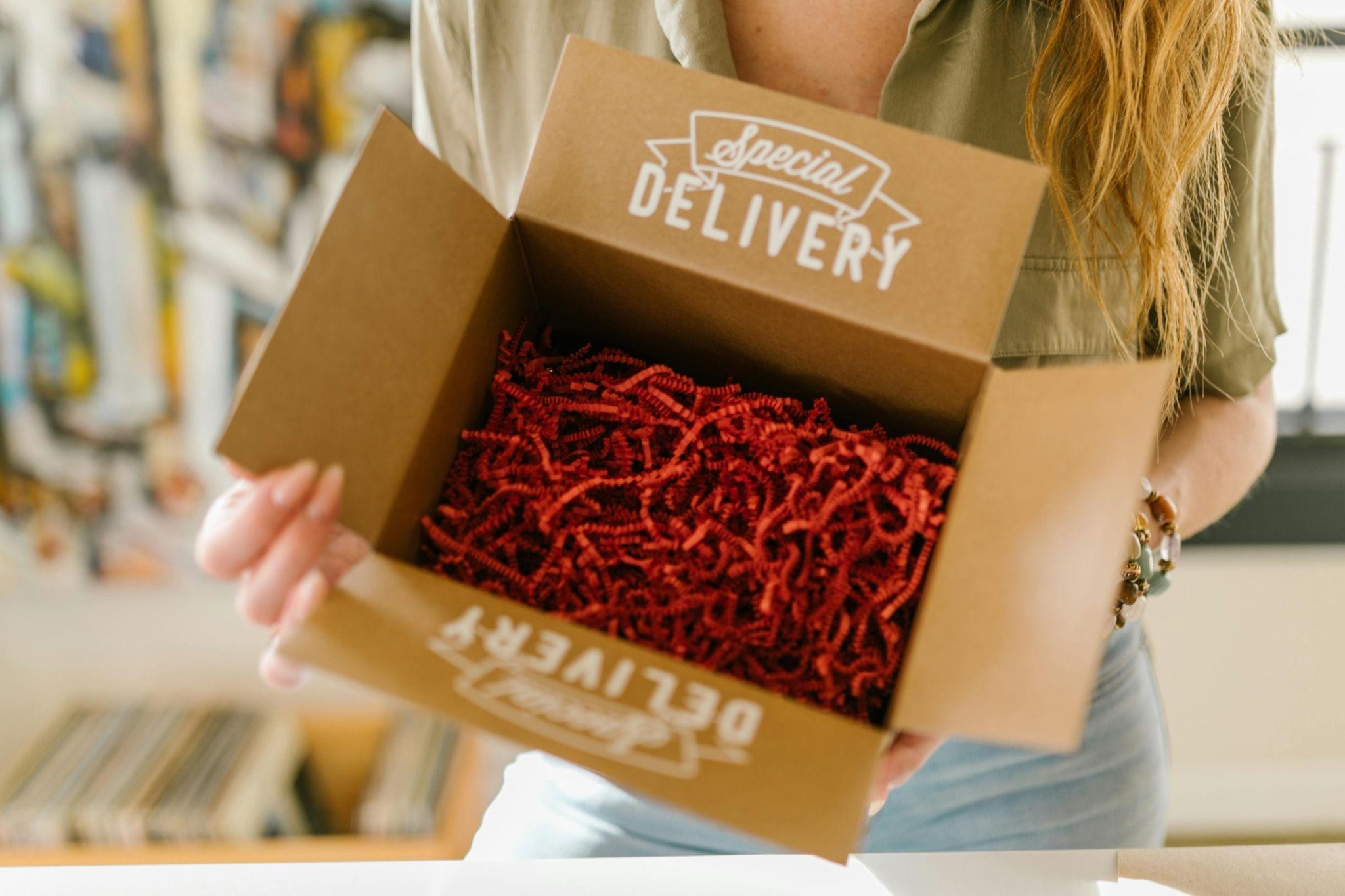
- Packing: Once picked, items move to a packing station. This step is about more than just tossing items in a box. It involves cartonization, which consists of selecting the appropriate-sized carton for the order. This minimizes waste and dimensional weight shipping costs. Packing also includes damage prevention (using bubble wrap or dunnage) and brand experience creation. This might mean arranging items specifically for a nice "unboxing" moment.
- Shipping: The final step involves getting the package to the carrier. Fulfillment providers use rate-shopping software to compare shipping costs across multiple carriers (like UPS, FedEx, USPS, and DHL) in real-time. They select the service that meets the delivery promise at the lowest possible cost.
Returns & Reverse Logistics
Returns are an inevitable part of retail, but they do not have to be a headache. Reverse logistics is the specialized service of handling these returns efficiently.
When a customer returns an item, it must be inspected. Is it damaged? Is it unopened? Based on predetermined rules, the fulfillment team will decide whether to restock the item as new, refurbish it, or discard it.
Fast, efficient returns processing is crucial for customer experience. If a customer has to wait weeks for a refund because the return is sitting in a warehouse queue, they are unlikely to buy again. Conversely, a smooth returns process builds confidence. Furthermore, getting viable inventory back on the shelf quickly helps you maintain optimal inventory levels and reduces losses.
Value-Added & Technology Services
Standard pick-and-pack is essential, but many businesses require more. Value-added services are tasks that go beyond the basics to customize the product or order.
- Kitting and Assembly: Do you sell gift sets composed of multiple individual SKUs? Or perhaps subscription boxes that change every month? Fulfillment providers can efficiently assemble these kits, creating new SKUs from existing inventory.
- Personalization: Services may include gift-wrapping, handwritten notes, or the insertion of marketing materials such as flyers or stickers into the package.
- Influencer Kits: Brands often send specialized packages to influencers. These require high-touch presentation and careful packing, a service many premium fulfillment partners offer.
Technology underpins all these physical actions. Inventory and order data reporting gives you visibility into your business. You should have access to analytics dashboards that show which SKUs are moving quickly, where your shipping costs are trending, and your return rates. Integrations with your sales channels must be seamless to ensure data flows back and forth instantly.
Finally, automation and robotics are increasingly standard in top-tier facilities. Autonomous Mobile Robots (AMRs) can work alongside human associates to boost efficiency, reduce errors, and improve speed, ensuring your orders go out on time even during peak volume.
How Can You Choose the Right Fulfillment Solution?
Selecting a fulfillment partner is one of the most significant decisions you will make. This partner will essentially hold the keys to your brand's reputation. Here is how to navigate the selection process.
Assess Your Business Model
Start by looking inward. Are you primarily a Direct-to-Consumer (DTC) brand, or do you have significant B2B wholesale needs? Do you sell heavily on marketplaces like Amazon? Your provider needs to have expertise in your specific channels.
Consider your product types. Do you sell heavy furniture, fragile glassware, or perishable food? Not every warehouse is equipped for every product.
Analyze your peak volumes and geographic footprint. If most of your customers are on the East Coast, a West Coast-only warehouse will hurt your shipping times and costs.
Scalability & Flexibility
You plan to grow, so your partner must be able to grow with you. Ask specifically about their capacity. Can they scale up labor and space for Q4 peak season? What happens if you launch a new product line that requires three times the storage space?
Flexibility is key. You do not want to have to switch providers just because you had a successful year.
Technology & Integration
The digital connection between your store and their warehouse must be flawless. Ask:
- Does the provider integrate natively with your specific e-commerce platform (Shopify, BigCommerce, WooCommerce)?
- Can they connect to your ERP (NetSuite, Microsoft Dynamics)?
- Is there a client portal or dashboard where you can view real-time inventory levels and order status?
Visibility is control. If you cannot see your inventory, you cannot manage your business.
Service Levels & KPIs
Promises are good; data is better. Ask for their Service Level Agreements (SLAs) and Key Performance Indicators (KPIs). Important metrics include:
- Order Accuracy: It should be extremely high (e.g., 99.9%).
- Same-Day Fulfillment: What is the cutoff time for an order to ship the same day?
- Inventory Accuracy: How accurate are their cycle counts?
Using benchmarks like a 99.9% accuracy rate helps you objectively compare providers.
Cost Structure & Shipping Network
Understanding the bill is critical. Fulfillment pricing can be complex, often broken down into storage fees, pick/pack fees, receiving fees, and shipping costs.
Pay close attention to shipping costs. Since shipping is often the largest line item, a provider that can leverage significant carrier discounts and rate-shop effectively will save you money in the long run. Ask them to run a shipping analysis based on your historical data to see potential savings.
Location & Reach
Where are their warehouses? A strategic network allows you to reach the majority of your customers via ground shipping in 1-3 days. This "Amazon-like" speed is now the standard expectation. If a provider only has one location in a remote area, you might struggle to meet customer expectations for speed without paying for expensive air shipping.
Additional Value-Added Services
Think about your future needs. Even if you do not need kitting or refurbishment today, you might next year. Ensure the provider offers a menu of value-added services so you are not limited later. If you care about the unboxing experience, ask to see examples of how they handle premium packaging.
Cultural Fit & Partnership
This is often overlooked but vital. You are not just buying a service; you are entering a partnership. Choose a provider that treats your brand as its own. Do their values align with yours regarding customer care and sustainability?
At a2b Fulfillment, for example, we emphasize looking after your brand as if it were our own. You want a team that is responsive, transparent, and proactive when issues arise—because in logistics, issues will occasionally arise.
Risk & Continuity Planning
Disruptions happen—weather events, carrier strikes, power outages. Ask about their business continuity plan. Do they have backup power? Can they shift volume between different warehouse locations if one goes offline?
A provider with a solid disaster recovery plan ensures your business keeps running even when things go wrong.
Questions to Ask Candidate Providers
When you are interviewing potential partners, have a list of hard questions ready:
- "What is your average order accuracy rate over the last 12 months?"
- "What technology do you use to provide inventory visibility to clients?"
- "How do you manage returns, and how quickly is inventory restocked?"
- "Can you provide references from clients with a similar business model to mine?"
- "How do you handle peak season surcharges and volume caps from carriers?"
Conclusion
Fulfillment solutions are the unseen engine that powers successful commerce businesses. By handling the complex logistics of warehousing, picking, packing, and shipping, these services allow you to focus on what you do best: building your brand and selling great products.
From reducing shipping costs and improving delivery speeds to ensuring high inventory accuracy and providing a seamless returns experience, the right fulfillment partner is an investment in your company's future. They provide the scalability to handle growth and the expertise to navigate the ever-changing landscape of supply chain logistics.
If you are ready to stop worrying about boxes and start focusing on your business growth, it might be time to bring in the experts.
Ready to streamline your logistics and delight your customers?
Contact a2b Fulfillment today to learn how our tailored fulfillment solutions can help your business scale.