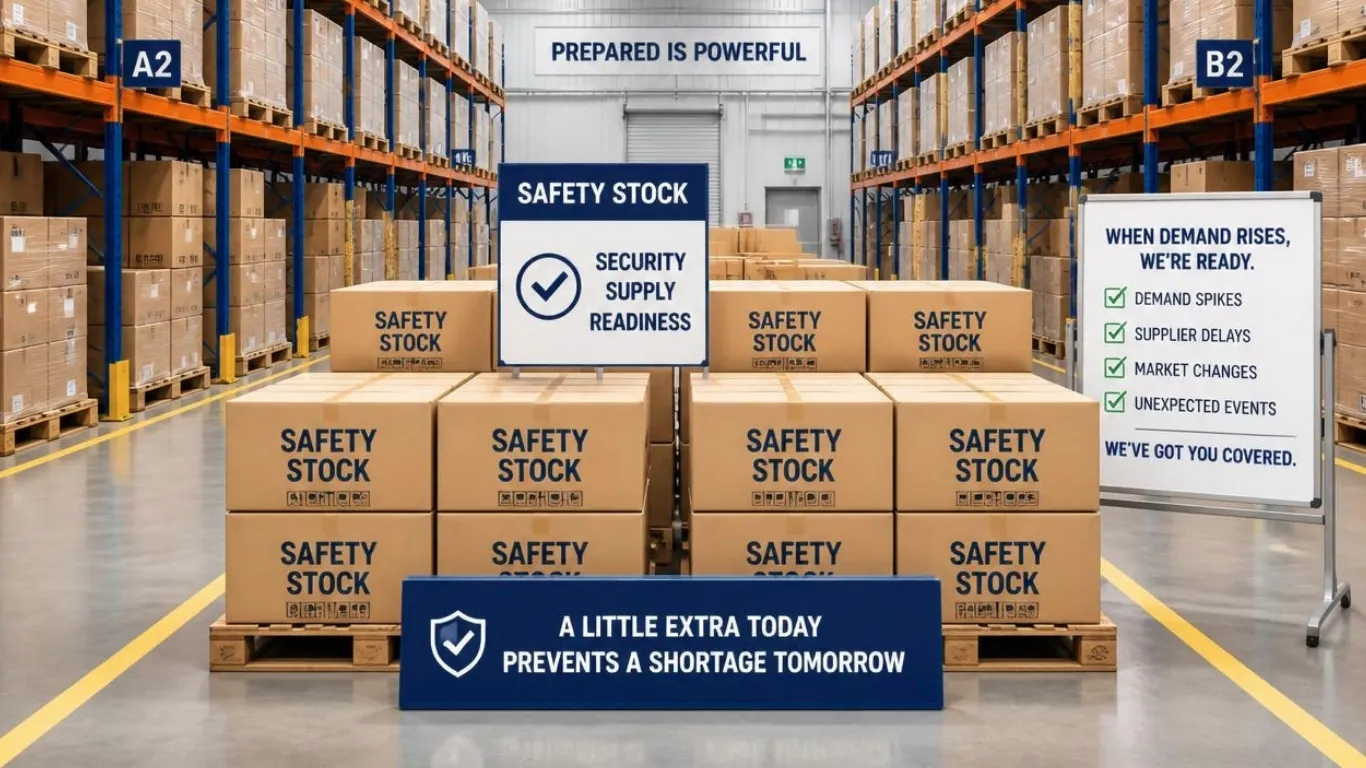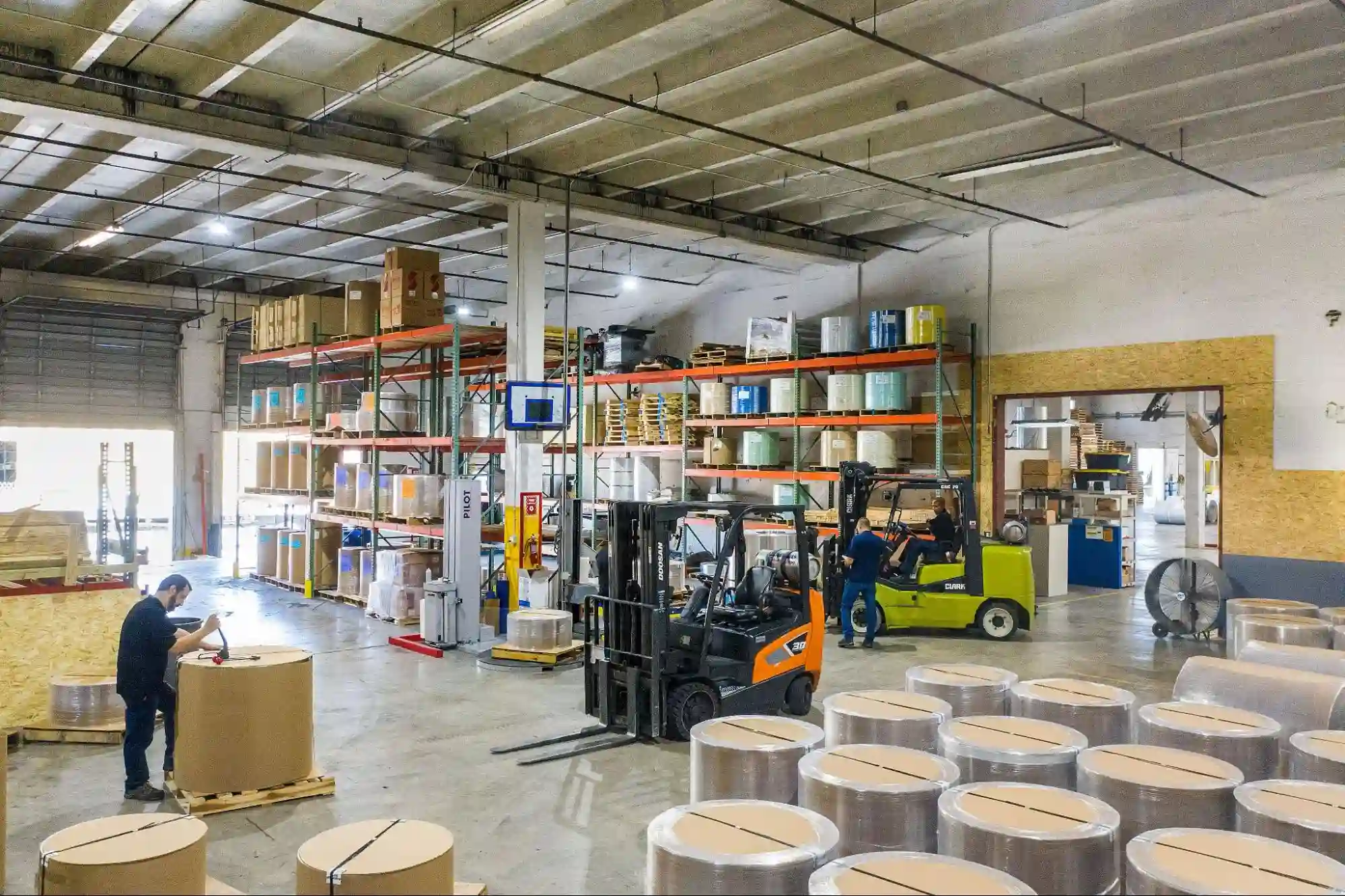


As your business grows, the methods you once used to track products often struggle to keep pace. Spreadsheets that worked perfectly for fifty orders a month become a liability when you are shipping five hundred. You might find yourself asking a critical question: "Do I need inventory management software?"
For many growing brands, assessing how much time and revenue they lose due to inefficiencies provides the answer. Inventory management software is technology designed to track goods across your supply chain. It monitors inventory levels, orders, sales, and deliveries.
But it does more than count boxes. It creates a system that connects manufacturing, buying, and sales data.
Understanding whether you need this technology requires a clear look at your current operations. If you are experiencing stockouts, mis-shipments, or not knowing what is on your shelves, it’s time to find a better solution.
Why is Inventory Management Software Important?
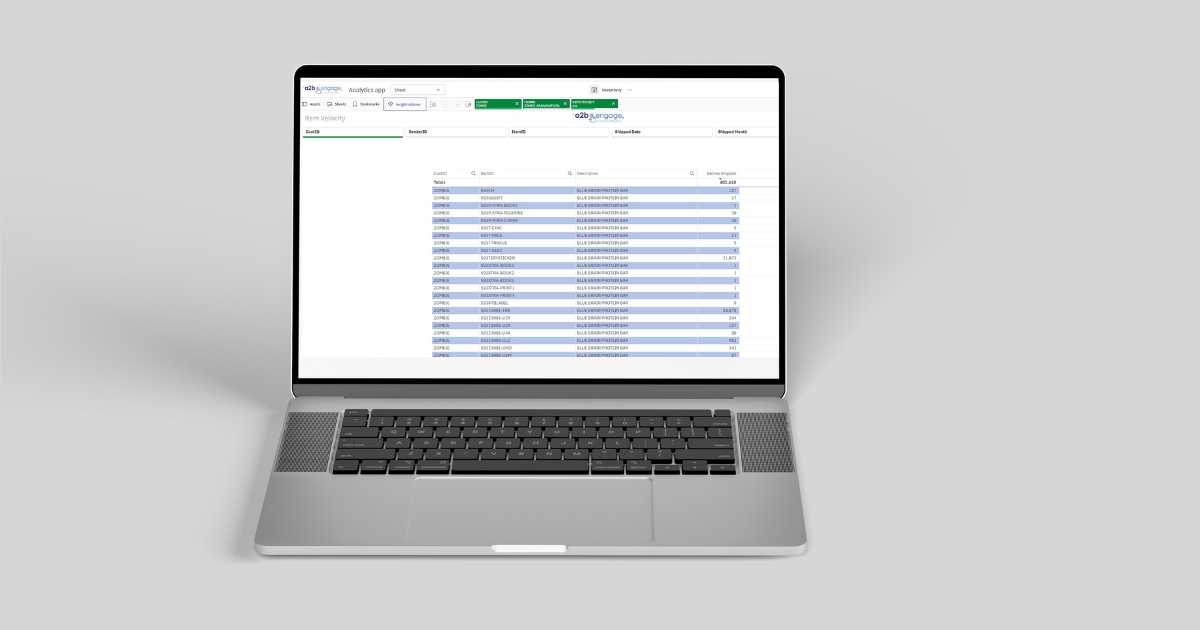
The backbone of any product-based business is the ability to move goods to customers quickly and accurately. Without a dedicated system, this process becomes fragile. Inventory management software secures this backbone by centralizing your data and standardizing your processes.
Enhancing Operational Efficiency
Manual inventory control eats up valuable time. When your team relies on physical counts or manual data entry, they cannot focus on growth. This includes key activities such as sales and product development.
Implementing the right software automates these manual tasks. It allows you to scan items in and out, instantly updating your records. This shift allows your staff to accomplish more in less time, reducing labor costs associated with warehouse management.
Streamlining Order Management
The journey from a customer clicking "buy" to the package arriving at their door involves multiple steps. Inventory management software connects your sales channels directly to your warehouse data. When an order is placed, inventory levels are automatically adjusted across all platforms.
This integration prevents the chaotic scenario of selling an item online that you no longer physically have in the warehouse. It ensures that the picking, packing, and shipping process begins immediately and accurately.
Improving Inventory Accuracy
Human error is inevitable when relying on manual spreadsheets. A typo in a spreadsheet can lead to thousands of dollars in dead stock or frustrated customers who received the wrong item. Advanced inventory systems utilize barcode scanners and real-time syncing to eliminate these discrepancies. Accurate inventory data empowers you to make informed decisions about purchasing and forecasting, rather than guessing based on potentially flawed numbers.
What are the Different Types of Inventory Management Software?

Not all software is created equal. The market offers a wide range of solutions tailored to businesses of different sizes and needs. Understanding the categories helps you choose the right tool for your specific situation.
Free vs. Paid Solutions
For startups and very small businesses, free inventory software or simple spreadsheets may suffice initially. These tools offer basic inventory tracking capabilities but often lack automation, support, and integration features.
As you scale, paid solutions become necessary. Paid software offers advanced features like demand forecasting, support for multiple warehouses, and dedicated customer service. These features are essential for high-volume operations.
Cloud-Based vs. On-Premise Systems
On-premise systems are installed on local servers within your facility. They offer control but require significant IT infrastructure and maintenance. In contrast, cloud-based inventory management software is hosted online.
This allows you to access your inventory data from anywhere with an internet connection. Cloud solutions are usually more scalable and easier to update. They also need less upfront money. This makes them the top choice for modern e-commerce brands.
Industry-Specific Solutions
Some industries face unique challenges that general software cannot address. For example, food and beverage companies need to track expiration dates and batch numbers for safety compliance. Apparel brands may need software that efficiently manages matrix inventory across sizes and colors. Preconfigured industry-specific solutions include features that address these unique asset management requirements.
Key Features of Inventory Management Software
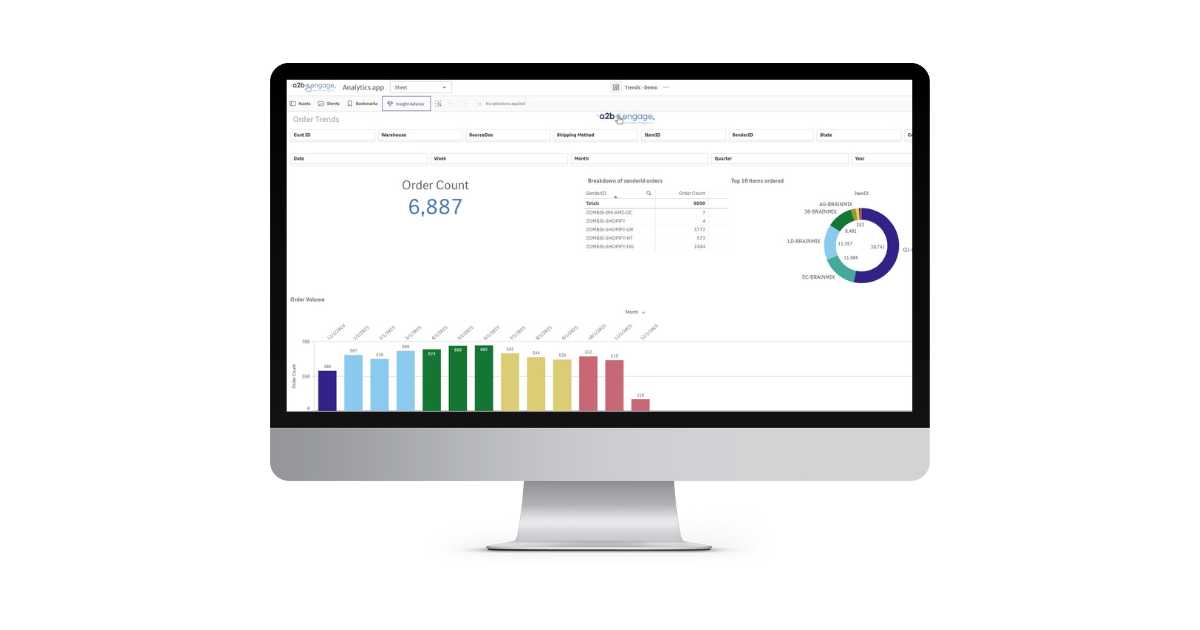
When evaluating potential solutions, look for features that directly address your operational bottlenecks. A robust system should offer more than just a digital list of items.
Real-Time Tracking
The most critical feature is the ability to track inventory in real-time. You should know the location of each item in the warehouse. You should also know how many people reserved items for orders and how many items are available for sale.
This visibility stops overselling. It also helps customer service teams answer questions quickly without checking the warehouse.
Automation and Alerts
Great software works for you. Look for systems that automate repetitive tasks. This includes setting low-stock alerts that notify you when it is time to reorder.
Some advanced inventory systems can even automatically generate purchase orders when stock dips below a defined threshold. This automation ensures you never miss a sales opportunity due to empty shelves.
Integrations with POS Systems
Your inventory software cannot exist in a vacuum. It must integrate seamlessly with your Point of Sale (POS) systems and e-commerce platforms (such as Shopify, Magento, or Amazon). This integration ensures that you instantly deduct every sale, in-store or online, from your master inventory list. It unifies your sales channels and provides a single source of truth for your business data.
Benefits of Implementing Inventory Management Software

Investing in technology is a commitment, but the return on investment for inventory management is typically swift and significant.
Reducing Costs
Holding inventory costs money. You pay for the space it occupies, the insurance to protect it, and the labor to manage it. Effective inventory control helps you optimize these levels. By identifying slow-moving items (dead stock), you can liquidate them to free up cash and space.
Conversely, by understanding sales velocity, you can avoid rushing expensive emergency shipments to restock popular items. The software provides the data needed to run a lean, cost-effective operation.
Minimizing Stockouts and Overages
Balancing supply and demand is a delicate act. Stockouts damage your brand reputation and send customers to competitors. Overages tie up capital that businesses could use for marketing or expansion. Inventory management software uses historical data to help you accurately forecast demand.
It helps you maintain the "Goldilocks" level of inventory, not too much, not too little, but just right. This reliability builds trust with your customer base, as they know they can rely on you to have the products they want in stock.
Conclusion
Deciding to implement inventory management software is a pivotal moment for a business. It signals a transition from reactive chaos to proactive control. By enhancing efficiency, improving accuracy, and providing real-time visibility, these systems provide the foundation for sustainable growth.
However, software is only one piece of the puzzle. You also need the physical infrastructure and expertise to execute on the data the software provides. This is where a third-party logistics (3PL) partner becomes invaluable.
At a2b Fulfillment, we specialize in advanced inventory management. We utilize top-tier technology to ensure your products are tracked, stored, and shipped with precision. When you work with us, you get top-level asset management. You won't have to worry about setting up or maintaining the system.
Ready to take control of your inventory and scale your business? Contact a2b Fulfillment today to learn how we can streamline your operations.