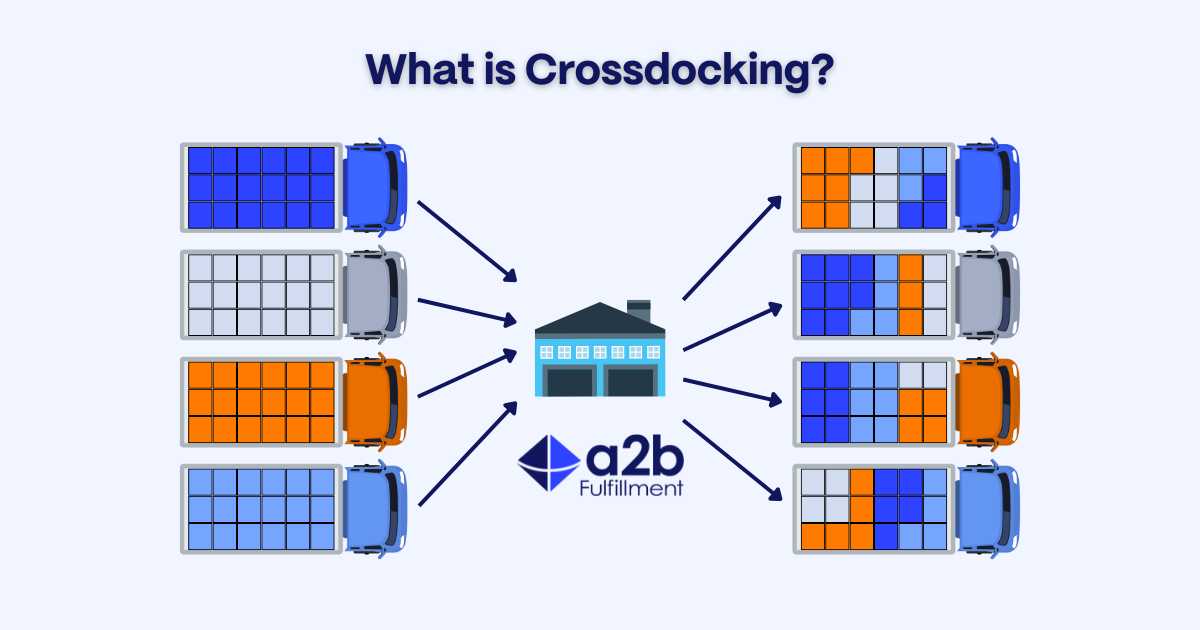


In logistics and supply chain management, efficiency is the name of the game. Every step that can be streamlined or eliminated translates into saved time and money. This is where a powerful strategy known as cross-docking service comes into play. Instead of the traditional warehousing model where products are received, stored, and then picked for shipment, the cross-docking process moves goods directly from an inbound truck to an outbound one with minimal handling or storage in between.
Imagine a central hub where incoming products are quickly sorted and immediately loaded onto vehicles for their next destination. This method transforms a warehouse from a long-term storage facility into a dynamic sorting center. The key characteristics of a successful cross-docking operation are speed, precision, and coordination. By bypassing the storage step, you can significantly accelerate your supply chain, getting products into the hands of your customers faster than ever.
What Are the Key Benefits of Cross-Docking?
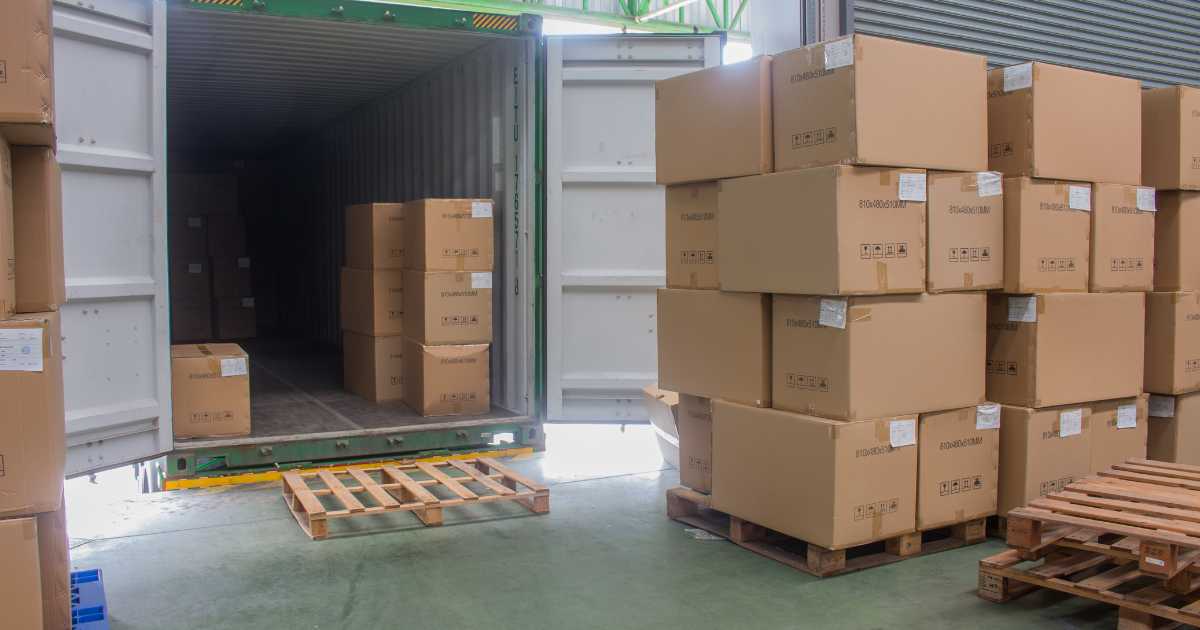
Implementing a cross-docking solution can offer substantial advantages over traditional warehousing methods. By reducing touchpoints and eliminating storage, you can create a leaner, more agile, and cost-effective supply chain. These benefits directly impact your bottom line and customer satisfaction.
Reducing Inventory Levels
Because products spend very little time at the cross-docking facility, you can drastically reduce the amount of inventory you need to hold. This minimizes the risks associated with overstocking, product obsolescence, and the capital tied up in unsold goods. A cross-dock approach helps you maintain a just-in-time inventory system that is more responsive to market demand.
Cutting Warehousing Costs
Traditional warehousing involves significant costs, including storage space, labor for putaway and retrieval, and utilities. Cross-docking virtually eliminates the need for long-term storage, which in turn cuts down on the square footage required. This reduction in overhead, combined with lower labor costs for handling and inventory management, makes it a financially attractive option.
Shortening Shipping Times
One of the most significant benefits is the dramatic reduction in delivery lead times. By transferring goods directly to an outbound shipment, you can shave days off your fulfillment cycle. This speed is a critical competitive advantage, especially in industries like eCommerce businesses where customer expectations for fast shipping are high.
Enhancing Inventory Management
A streamlined cross-docking process provides greater visibility and control over your inventory as it moves through the supply chain. With fewer stages and less handling, there are fewer opportunities for items to be misplaced, lost, or damaged. This leads to more accurate inventory counts and a more reliable fulfillment operation.
Types of Cross-Docking
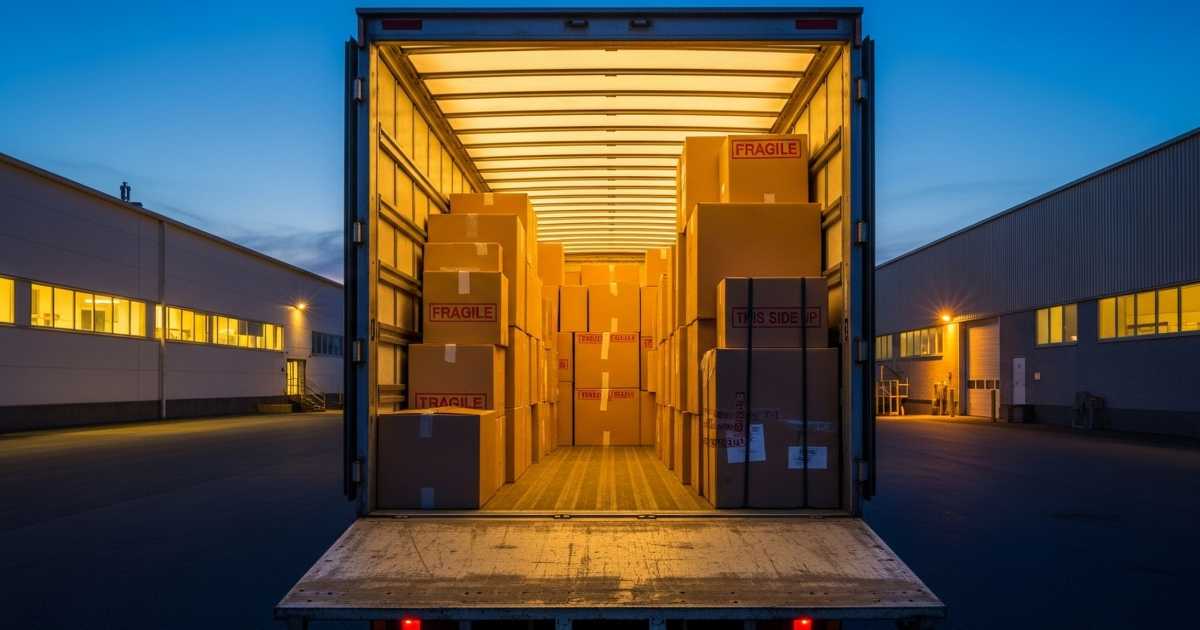
Cross-docking is not a one-size-fits-all strategy. The specific approach you use will depend on your product type, supply chain structure, and customer requirements. Understanding the different types helps you determine which cross-docking service is the best fit for your business needs.
Pre-distribution Cross Docking
In a pre-distribution model, products are sorted and labeled for their final destination before they even arrive at the cross-docking facility. When the inbound shipment reaches the dock, workers simply identify the pallets or cartons and move them to the correct outbound truck. This method is the most straightforward and requires a high degree of coordination with your suppliers.
Post-distribution Cross Docking
Post-distribution cross-docking involves a bit more handling at the facility. Inbound products arrive in bulk, and it is the job of the cross-dock team to break down the shipments, sort them, and re-palletize them for various outbound destinations. This approach offers more flexibility if you are consolidating goods from multiple suppliers for different customer orders.
Specialized Cross-Docking
Some industries require specialized forms of cross-docking to meet unique product needs. For example, opportunistic cross-docking involves diverting a shipment directly from a receiving dock to an outbound order to fulfill an immediate need. Retail cross-docking might involve combining products from multiple vendors into a single shipment for a specific store, while manufacturing cross-docking supports a just-in-time production line by delivering necessary parts and components.
What are the Challenges of Implementing Cross-Docking?
While the benefits are compelling, a successful cross-docking operation is complex and requires careful planning and execution. It's important to be aware of the potential challenges before integrating this strategy into your supply chain.
Handling Complexity
The speed of a cross-dock requires immense coordination. Managing inbound and outbound transportation schedules, sorting a high volume of goods accurately, and ensuring everything flows without bottlenecks is a significant logistical challenge. Any disruption can cause a cascade of delays throughout the supply chain.
Limited Flexibility
Cross-docking thrives on predictability and consistent volume. It may not be suitable for businesses with highly fluctuating demand or a wide variety of product types that require different handling procedures. The system is less forgiving of unexpected changes compared to a traditional warehouse model that can absorb fluctuations with buffer stock.
Supply Chain Vulnerability
Because cross-docking relies on a tightly synchronized flow of goods, it is vulnerable to disruptions. A delayed inbound shipment or a transportation issue can bring the entire operation to a standstill, as there is little to no safety stock to fall back on. This makes reliable transportation partners and suppliers essential for success.
What are Best Practices for Cross-Docking?
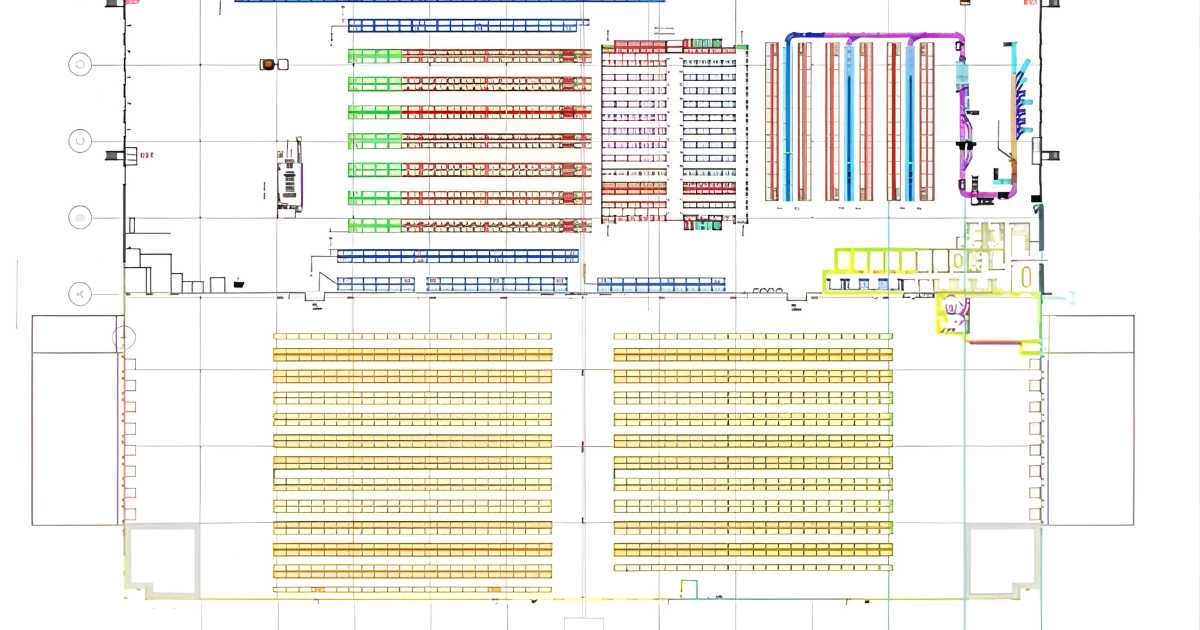
To overcome the challenges and maximize the benefits, you must adhere to best practices in planning and execution. A well-run cross-dock warehouse is a model of efficiency, and these principles are key to achieving it.
Optimizing Layout and Design
The physical layout of the cross-docking facility is crucial. An ideal design minimizes the distance goods have to travel from the inbound to the outbound dock. Facilities are often long and narrow with doors on both sides to create a seamless flow. A central sorting area and clear staging lanes are also vital for an efficient process.
Effective Scheduling of Dock Operations
Precise scheduling is the backbone of cross-docking. You need a robust system for managing truck appointments for both receiving and shipping. By synchronizing inbound and outbound traffic, you can avoid congestion at the docks and ensure that labor and equipment are available exactly when needed.
Leveraging Technology and Automation
Modern technology is essential for a high-performing cross-dock. A sophisticated Warehouse Management System (WMS) provides the visibility and control needed to track products in real time. Automation, such as conveyor systems and automated sorting equipment, can further increase speed and accuracy while reducing manual labor. Learn more about advanced logistics solutions.
Training Personnel for Efficiency
Your team is a critical component of a successful cross-docking operation. Personnel must be well-trained in the specific procedures and technologies used at the facility. A focus on speed, accuracy, and clear communication ensures that everyone works together to maintain the constant flow of goods.
What Industries Benefit From Cross-Docking?
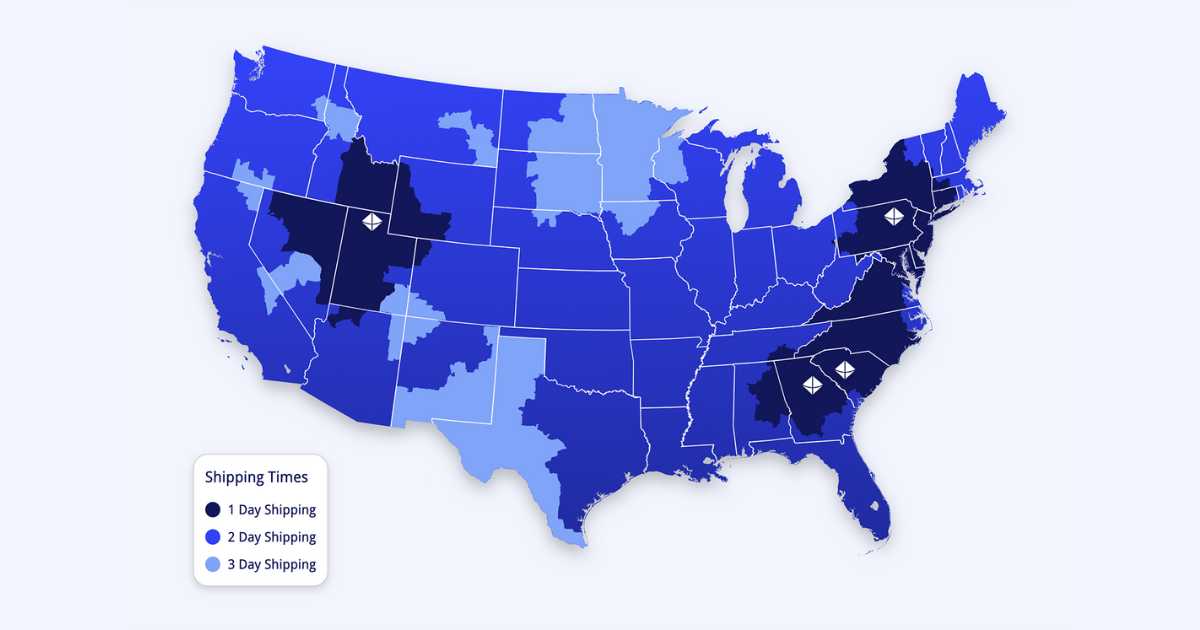
Cross-docking is a powerful strategy, but it is particularly beneficial for certain industries where speed and product shelf life are critical factors.
Retail Sector
For retailers, especially those with brick-and-mortar stores, cross-docking is an effective way to replenish inventory quickly. Products can be sorted at a distribution center and sent directly to individual stores, ensuring that high-demand items are always in stock without cluttering up back rooms with excess inventory.
Manufacturing Industry
Manufacturers use cross-docking to support just-in-time (JIT) production lines. Inbound raw materials and components can be delivered to the cross-dock facility and then immediately sent to the assembly line as needed. This reduces the need for large, on-site storage of parts and materials.
eCommerce Businesses
In the competitive world of eCommerce, fast delivery is a key differentiator. Cross-docking allows online businesses to consolidate products from various suppliers and quickly ship them to customers. This is especially useful for high-volume sellers who want to reduce fulfillment times without holding massive amounts of inventory.
Logistics and Distribution
For third-party logistics (3PL) providers and distribution companies, cross-docking is a core service. They use it to create hub-and-spoke models, where goods are brought to a central hub, sorted, and then sent out to regional distribution centers or directly to the end customer. This optimizes transportation routes and improves overall efficiency.
What Role Does Cross-Docking Play in Enhancing Supply Chain Efficiency
Ultimately, the goal of cross-docking is to create a more efficient, responsive, and cost-effective supply chain. It achieves this by transforming key aspects of the distribution process.
Improving Distribution Precision
A well-executed cross-docking operation enhances the accuracy of your distribution network. By leveraging technology to track and sort goods, you ensure that the right products get to the right destination at the right time. This precision reduces shipping errors and improves customer satisfaction.
Minimizing Product Damage
Every time a product is handled or moved, there is a risk of damage. By significantly reducing the number of touchpoints between receiving and shipping, cross-docking lowers the chances of products being dropped, mishandled, or damaged during storage. This is especially important for fragile or high-value items.
A Leaner, Faster Supply Chain
Cross-docking is a transformative logistics strategy that replaces traditional warehousing with a high-velocity sorting and shipping process. By moving products directly from inbound to outbound transportation, you can reduce inventory levels, cut costs, and shorten delivery times. While it presents challenges in complexity and requires precise coordination, the benefits for industries like retail, eCommerce, and manufacturing are undeniable.
By adhering to best practices in facility design, scheduling, technology, and training, you can build a cross-docking solution that provides a significant competitive advantage. It is a key element in creating a lean, agile, and efficient supply chain ready to meet the demands of modern commerce.
If you are looking to optimize your fulfillment process and explore how a tailored cross-docking service can benefit your business, our team is here to help. Contact a2b Fulfillment today to learn more about our advanced logistics solutions.