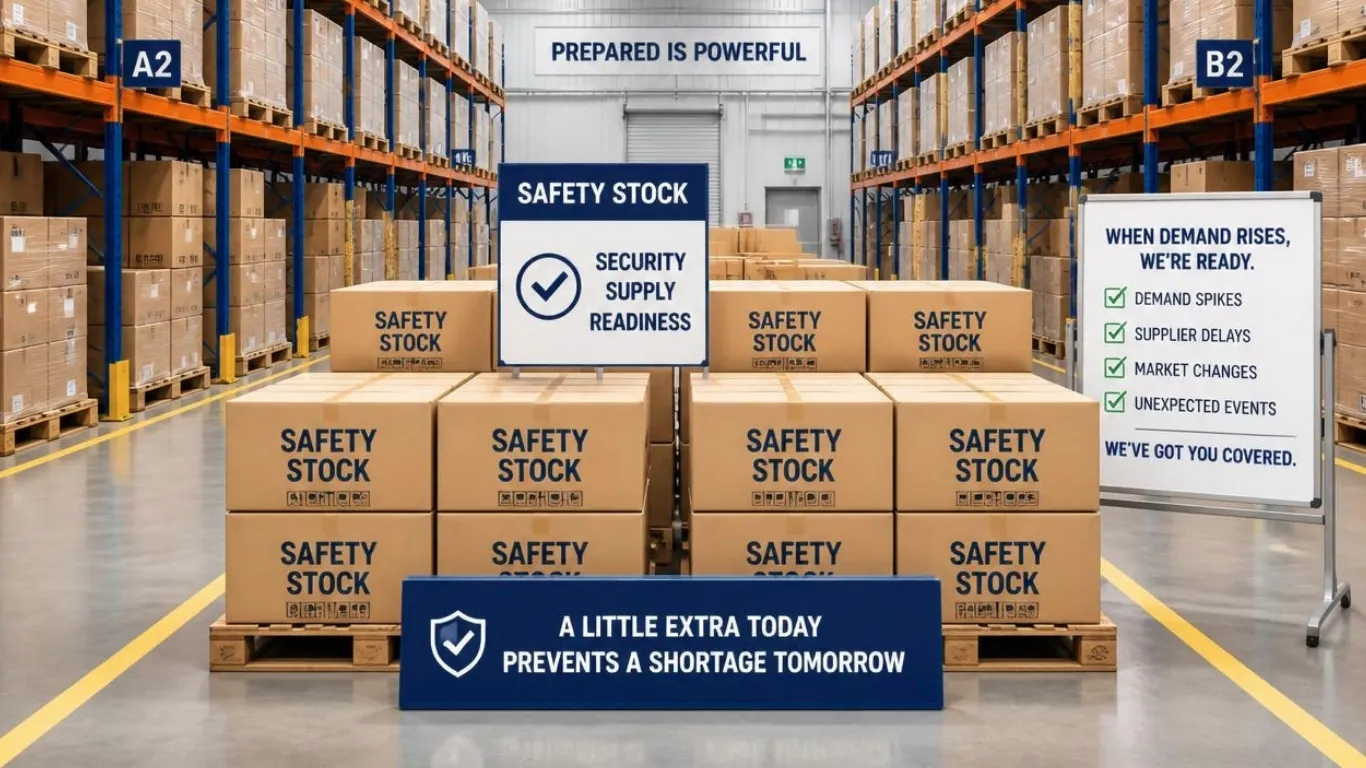
Managing inventory effectively is one of the biggest hurdles growing businesses face. As order volumes increase, spreadsheets and basic tracking methods quickly become obsolete. This is often the tipping point where companies must decide: invest heavily in building their own technology infrastructure or partner with experts who already have it.
For many, the answer lies in partnering with a Third-Party Logistics (3PL) provider like a2b Fulfillment. Access to a sophisticated Warehouse Management System (WMS) without the upfront capital investment is a game-changer.
By using a 3PL’s advanced technology, businesses can see their WMS stock levels more clearly. While the 3PL streamlines operations, the business can focus on growing their brand.
This blog explores how leveraging a 3PL’s WMS capabilities can revolutionize your supply chain, from improving inventory accuracy to enabling advanced automation.
The Power of a 3PL's Warehouse Management System
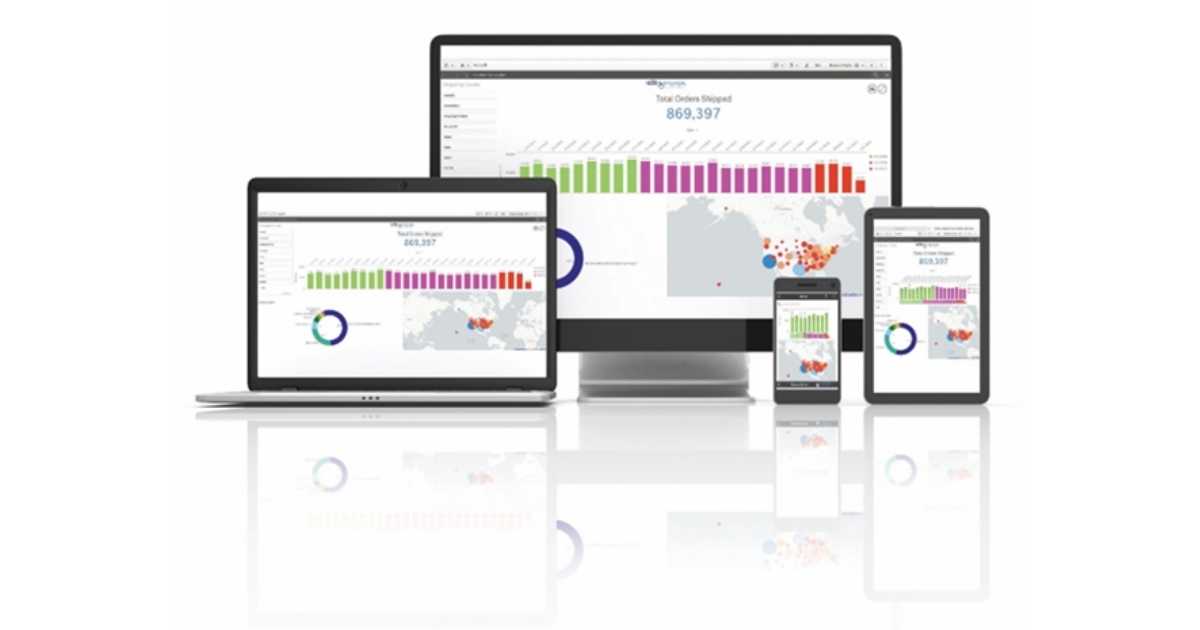
A WMS is the digital backbone of modern logistics. While many businesses see the need for one, the cost and complexity of a top-tier system can be too high. This is where a 3PL partner becomes invaluable.
When you partner with a provider like a2b Fulfillment, you are not just renting shelf space. You are joining an enterprise-grade ecosystem.
A robust WMS provides real-time visibility and control over your inventory. It starts when items reach the dock. It ends when they arrive at your customer's door.
What are the Key Features of a Warehouse Management System?
A WMS designed for 3PL providers differs from standard systems by offering tools tailored for complex, multi-client operations. This enables seamless warehouse management and helps 3PLs meet each client’s unique needs, even as they change.
Below is a table summarizing the key features of an advanced 3PL WMS, along with descriptions of how each feature delivers operational value:
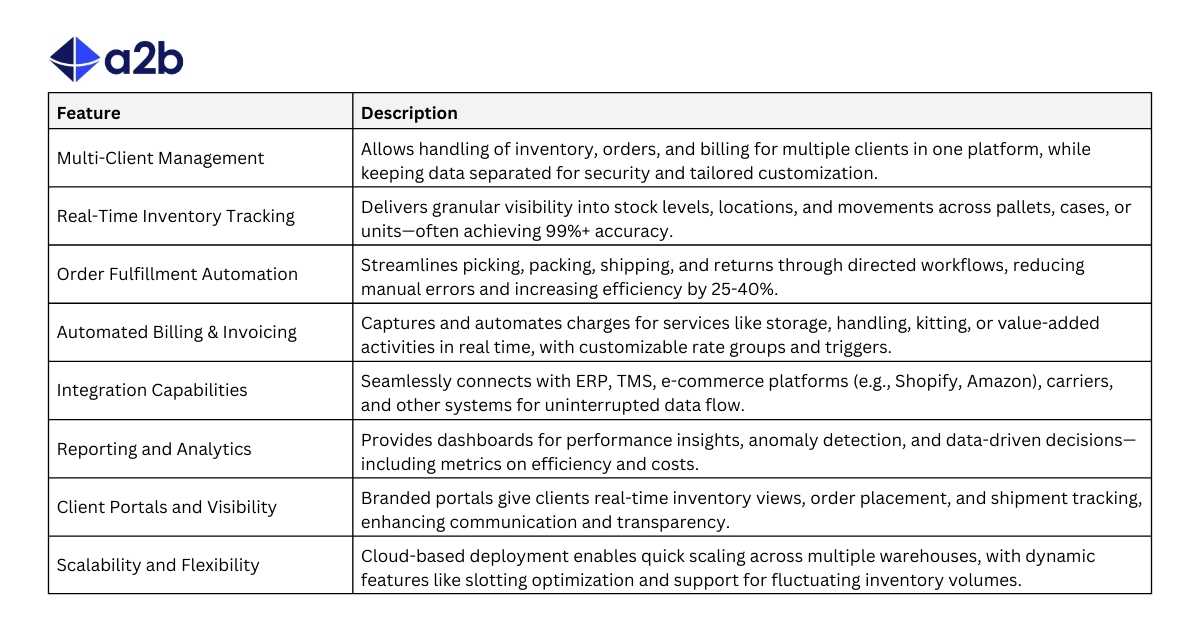
These features help 3PLs like a2b Fulfillment optimize warehouse space. They automate routine tasks. They also help teams adapt quickly to client needs. This supports a premium level of service.
Instead of building from scratch, leveraging a 3PL's WMS gives you immediate access to:
- Real-time Inventory Tracking: Know exactly how much stock you have and where it is located.
- Labor Management: Efficient allocation of warehouse staff to ensure peak productivity.
- Advanced Reporting: Data-driven insights into SKU velocity, return rates, and shipping costs.
What is Warehouse Stock Management?

Partnering with a 3PL that uses an advanced WMS offers your business significant advantages beyond operational convenience. By choosing the right 3PL provider, companies can unlock benefits that drive measurable results and enduring value:
- Cost Savings: Automation and process optimization help reduce labor costs by 15-30%, minimize errors, and avoid the significant capital needed for in-house warehouse investments.
- Improved Efficiency and Accuracy: Upgraded tracking and automated workflows deliver up to 99% inventory accuracy and 25-40% faster order fulfillment, meaning fewer stockouts, overstocks, and manual mistakes.
- Scalability: Built-in flexibility and cloud-based infrastructure allow your operations to handle business growth or seasonal peaks with ease—without the need for new capital expenditures.
- Enhanced Visibility and Control: Real-time data access via branded portals empowers you to monitor inventory, place orders, and track shipments, ensuring better decision-making, responsive demand forecasting, and higher supply chain agility.
- Faster Fulfillment & Customer Satisfaction: Accelerated order processing and proactive stock management result in shorter delivery windows and heightened customer loyalty with fewer returns.
- Access to Advanced Technology: With a 3PL, you can leverage BI-driven forecasting tools, warehouse robotics, and seamless third-party integrations without incurring the upfront development costs.
- Risk Reduction & Focus on Core Business: Outsourcing the complexities of logistics lets you focus on product innovation or sales, all while enjoying robust compliance, security, and reduced exposure to operational challenges.
These strategic advantages transform logistics from a cost center into a lever for competitive advantage, enabling you to meet your customers’ needs, adapt to market demands, and grow efficiently with a trusted 3PL partner.
Effective stock management is critical for profitability. Too much stock ties up cash flow; too little leads to missed sales. A 3PL’s WMS takes the guesswork out of this balancing act.
Preventing Stockouts and Overstocks

Through sophisticated algorithms, a 3PL's system monitors WMS stock levels against historical data and current demand. It automatically identifies reorder points, ensuring you replenish inventory at the right time. This proactive approach reduces stockout risk during peak seasons. It also prevents dead stock from piling up and cutting into margins.
Enhanced Accuracy
Manual inventory management is prone to human error. A 3PL utilizes barcode scanning and automated verification processes within its WMS. This ensures that the digital record matches the physical reality of your inventory. When you check your portal, you can trust the numbers you see, allowing for more confident financial planning and forecasting.
Inventory Management Systems
Whether you use Shopify, Magento, Amazon, or a custom ERP, a skilled 3PL can link your sales channels to the warehouse floor.
What Companies Can Expect from the Platform

When you partner with a 3PL with an advanced WMS, you get a user-friendly cloud system. It integrates smoothly with your current business tools. Expect rapid onboarding. Your team can fully integrate and become operational within weeks rather than months.
The platform supports customization, so you can tailor order workflows and inventory processes to your needs. You also receive proactive, ongoing support.
You’ll get real-time dashboards that track key metrics like inventory turnover, order accuracy, and fulfillment speed. Automated alerts help highlight exceptions or issues before they affect your customers, enabling you to react quickly and keep operations smooth. Scalability is a fundamental feature: as your business grows or faces seasonal surges, the system flexibly expands capacity to meet new demands.
High platform uptime and enterprise-level data security keep your data safe and your operations uninterrupted. In addition to core logistics, expect value-added services like kitting, custom packaging, and returns processing. All are supported by the WMS and integrated into your workflow. In practice, this means streamlined, reliable operations, 25-40% faster order cycles, and measurable ROI through reduced cost and enhanced performance.
Seamless Data Flow
Integration means that when a customer places an order on your website, it flows directly into the 3PL's WMS for fulfillment. Conversely, as the system generates tracking numbers and stock levels change, it sends that information back to your store.
This synchronization ensures:
- Order Accuracy: Eliminates manual data entry errors.
- Customer Satisfaction: Shoppers see accurate stock availability and receive timely shipping updates.
- Operational Efficiency: Automates the administrative burden of order processing.
Warehouse Automation and Technology
A major advantage of using a 3PL’s WMS is its ability to integrate with your existing platforms. Whether you use Shopify, Magento, Amazon, or a custom ERP, a capable 3PL can bridge the gap between your sales channels and the warehouse floor.
Integration means that when a customer places an order on your website, it flows directly into the 3PL's WMS for fulfillment. Conversely, as the system generates tracking numbers and stock levels change, that information flows back to your store.
This synchronization ensures:
- Order Accuracy: Eliminates manual data entry errors.
- Customer Satisfaction: Shoppers see accurate stock availability and receive timely shipping updates.
- Operational Efficiency: Automates the administrative burden of order processing.
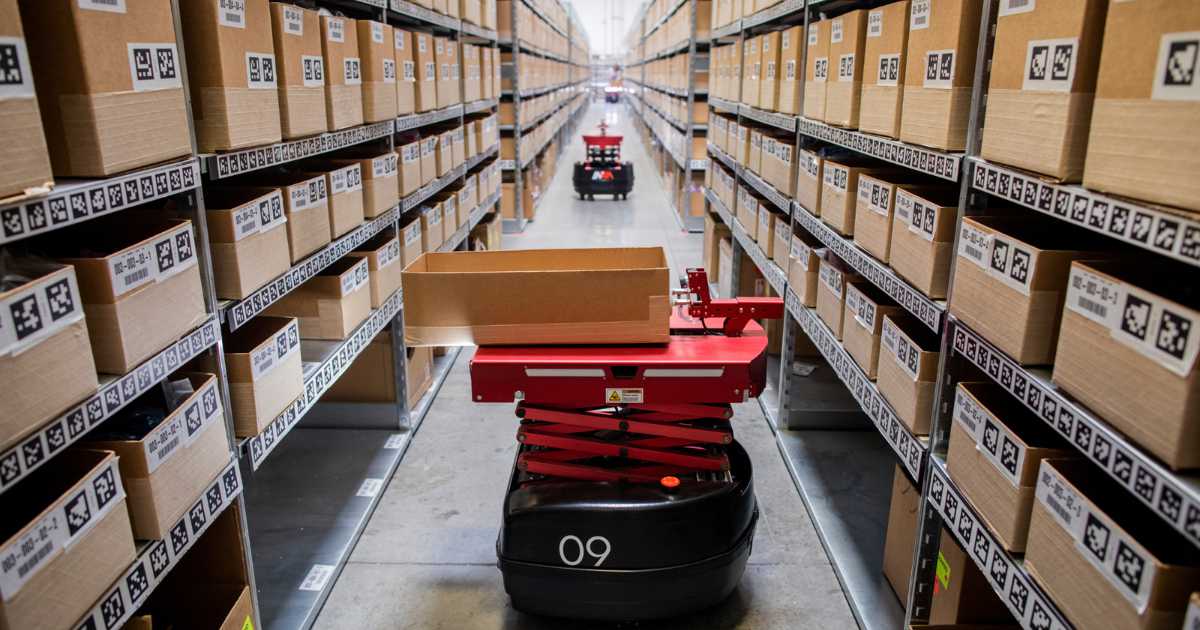
Building a highly automated warehouse costs millions of dollars. This investment is hard for individual brands to justify. However, a large 3PL spreads this cost across many clients. This gives you access to new technology at a fraction of the price.
Automated Storage and Retrieval
Top-tier 3PLs invest in technologies such as conveyor systems and sortation equipment. They may also invest in Automated Storage and Retrieval Systems (AS/RS). These technologies significantly speed up the picking and packing process.
By leveraging a partner with these capabilities, you benefit from:
- Faster Fulfillment: Orders are processed and shipped in record time, meeting consumer expectations for 2-day or next-day delivery.
- Reduced Labor Costs: Automation handles repetitive tasks, reducing the man-hours billed to your account.
- Scalability: As your order volume spikes (like during Black Friday), the automated systems can handle the load far better than a manual workforce could alone.
Supply Chain Management and Integration
Your warehouse operations do not exist in a vacuum; they are part of a larger supply chain ecosystem. A 3PL’s WMS acts as a central hub that connects various stakeholders, from suppliers to carriers.
Visibility Across the Chain
A robust system allows for better coordination with inbound freight. You can track inventory movements from the manufacturer to the distribution center, allowing for precise labor planning. If a container arrives late, the WMS helps you adjust schedules so your operations keep moving.
Strategic Shipping
3PLs often integrate their WMS with multiple shipping carriers to rate-shop for every package. This ensures that we ship every order using the most cost-effective method that still meets the delivery promise. This level of supply chain integration directly improves your bottom line by reducing shipping spend.
Conclusion
In the competitive landscape of e-commerce and retail, technology is a differentiator. Attempting to manage WMS stock with outdated tools or insufficient systems limits your growth potential. By partnering with a 3PL like a2b Fulfillment, you bypass the technological learning curve and capital expenditure.
You gain immediate access to a world-class Warehouse Management System that optimizes inventory, leverages automation, and integrates seamlessly with your supply chain. This partnership transforms logistics from a headache into a strategic asset.
Ready to upgrade your fulfillment capabilities?
Discover how a2b Fulfillment's robust technology and logistics expertise can streamline your operations. Contact us today to learn more about our WMS solutions.