

An effective warehouse management system (WMS) is the engine that drives modern fulfillment. For brands working with a third-party logistics (3PL) provider, this technology is not just a background tool. It is a key part of success at every level of the supply chain.
The best WMS solutions do more than just control inventory. These systems help manage, improve, and optimize all parts of warehouse operations. This includes everything from receiving goods to delivering them to the final destination. Using your 3PL’s WMS can boost efficiency, improve accuracy, and increase customer satisfaction.
In today’s highly competitive and fast-evolving market, the pressures on fulfillment partners and brands are increasing. Consumers expect rapid delivery times, total order accuracy, seamless returns, and clear communication. Each expectation amplifies the need for precise inventory management, responsive order fulfillment, and near real-time data visibility.
A strong WMS helps companies meet expectations and prepare for future challenges and increased demand. Modern WMS systems help companies manage multi-channel fulfillment. This supports growth in new e-commerce markets and B2B opportunities. They do this without losing control or scalability.
For fulfillment customers, a key benefit of a 3PL WMS system is that it lets your brand focus on what matters most. This includes product development, marketing, and customer service. Meanwhile, your logistics partner handles operations behind the scenes.
You can rest assured that orders are routed, picked, packed, and shipped in accordance with clear rules defined in your service-level agreements (SLAs). Each stage is monitored and recorded in the system.
This system is central to managing inventory, streamlining warehouse operations, optimizing transportation management systems, and providing the actionable data needed for strategic decision-making.
A modern WMS also contributes to compliance and risk management. With transparency across inventory handling, order routing, returns, and auditing, you minimize the risk of costly errors, regulatory issues, or lost goods. The system’s traceability features provide a detailed digital footprint for each transaction, simplifying investigations and supporting high standards for quality control.
In summary, leveraging your 3PL’s WMS system enables you to transform your supply chain from merely a cost center into a clear strategic advantage. It provides the tools, transparency, and dependability you need for both daily operations and long-term growth.
In the sections that follow, we will identify the essential features of a 3PL WMS, outline best practices for collaboration, and describe strategies for tackling common challenges. By understanding how to maximize your partnership and technology investment, you can support your brand’s ambitions in an increasingly complex market.
By tapping into the full potential of your partner’s WMS systems, you can transform your supply chain from a cost center into a competitive advantage. This guide will explore the essential features of a 3PL WMS, best practices for collaboration, and how to overcome common challenges.
You will learn how integrating your operations with this powerful software can drive growth and support your brand's long-term goals in an increasingly complex market.
What is a 3PL WMS and Why Does it Matter?
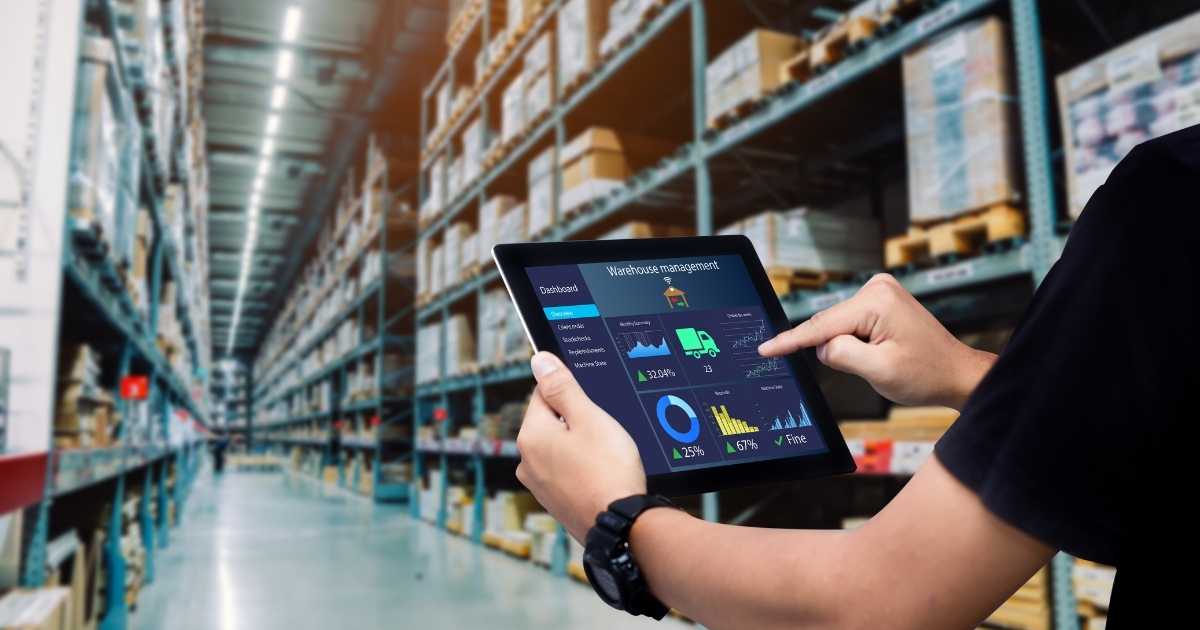
A Warehouse Management System (WMS) in a 3PL context is a sophisticated software solution that manages and optimizes all warehouse processes. It serves as the central nervous system for daily warehouse operations, coordinating everything from the moment inventory arrives until an order is shipped to the end customer. This goes far beyond simple inventory counting.
Key functionalities include real-time inventory tracking across all sales channels, efficient order fulfillment routing, and management of returns or reverse logistics. The WMS also enforces quality control checks and generates detailed reports and analytics. These features provide a comprehensive view of your entire fulfillment operation, enabling precise control and continuous improvement.
While an in-house WMS provides control, a 3PL’s system operates on a much larger scale. It is built for multi-client environments and features robust integrations with a wide array of e-commerce platforms, marketplaces, and ERP systems. Furthermore, a 3PL's WMS is governed by Service Level Agreements (SLAs), guaranteeing performance standards for aspects like order accuracy and shipping speed.
Leveraging a 3PL's WMS matters because it directly impacts your bottom line and brand reputation. The accuracy it enables reduces costly errors and returns, while its speed ensures orders reach customers faster. These efficiencies lead to significant cost savings in labor and shipping, and a seamless customer experience builds loyalty and encourages repeat business.
What are Core Features to Look for in a WMS?
When evaluating a 3PL partner, the capabilities of their WMS should be a primary consideration. A powerful system provides the foundation for efficient warehouse management and visibility into your supply chain. One of the most critical features is real-time inventory visibility across all channels, including your e-commerce store, various marketplaces, and B2B sales streams. This unified view prevents stockouts and overselling.
The system should also support automation and robotics. Modern WMS systems integrate with technologies like Autonomous Mobile Robots (AMRs), smart conveyor systems, and automated cartonization software. These tools drastically increase the speed and efficiency of picking, packing, and shipping processes, which is essential for scaling operations.
Order accuracy tools are non-negotiable. Look for a WMS that incorporates quality control checkpoints, mandatory barcode scanning for all item movements, and automated weight and dimension checks. These features work together to minimize human error, ensuring the right products are sent to the right customers every time.
A comprehensive WMS must also include robust functionality for returns and reverse logistics. Managing incoming returns efficiently is just as important as outbound fulfillment. The system should be able to process returned items, inspect them, and quickly move them back into available stock or handle dispositions as needed, protecting your margins.
Finally, strong reporting and analytics dashboards are essential. A top-tier WMS provides business intelligence that allows for data-driven decision-making. Look for customizable reports on inventory levels, order cycle times, and fulfillment costs. Equally important are its integration capabilities with shopping carts, marketplaces, ERPs, and shipping carriers to create a seamless ecosystem for your entire operation.
Best Practices to Leverage Your 3PL’s WMS
To fully capitalize on the benefits of your 3PL’s WMS, a strategic approach is necessary. The process begins with proper onboarding and configuration. Work closely with your 3PL partner to ensure the system is set up to match your specific business rules, product characteristics, and order fulfillment priorities from day one.
Next, establish clear and measurable Service Level Agreements (SLAs). These agreements should define key performance indicators (KPIs) for order accuracy, fulfillment speed, and receiving lead times. Use the WMS reporting tools to continuously monitor performance against these SLAs, allowing you to hold your partner accountable and identify areas for improvement.
The principle of "garbage in, garbage out" is especially true for WMS systems. Maintaining clean data is crucial for accuracy. Standardize your SKU naming conventions, use high-quality barcodes, and ensure initial inventory level data is precise. Consistent data hygiene prevents cascading errors that can disrupt the entire supply chain.
Regular inventory audits and cycle counting are essential best practices for maintaining accuracy. Even the most advanced WMS needs physical verification to reconcile system data with actual stock. A good 3PL will have a defined process for this, which helps catch discrepancies early and maintain confidence in your inventory numbers.
Lastly, use forecasting and demand planning data to empower your 3PL. By providing your partner with insights into upcoming promotions, seasonal peaks, or new product launches, you enable them to use the WMS to plan labor, optimize storage, and ensure they have the capacity to manage fluctuations in order volume effectively. This proactive communication drives better fulfillment performance.
Integrations That Amplify Value from a WMS

A WMS becomes exponentially more powerful through its integrations with other business-critical systems. These connections create a unified data flow that automates processes and eliminates manual work. The most fundamental of these are integrations with e-commerce platforms like Shopify, WooCommerce, BigCommerce, and others. This link allows orders to flow directly into the WMS for immediate processing.
Integrations with Enterprise Resource Planning (ERP) and order management systems are also vital. This connection syncs financial data, customer information, and high-level inventory records between systems. It ensures that all departments, from accounting to customer service, are working with the same up-to-date information, providing a single source of truth for your business.
Seamless connections with carrier and shipping systems are another critical component. A well-integrated WMS can perform real-time rate shopping to select the most cost-effective shipping service for each order. It can also automatically generate shipping labels and push tracking information back to the e-commerce platform and the customer, enhancing the post-purchase experience.
Connecting the WMS to internal reporting tools, such as custom dashboards or data visualization software, can unlock deeper insights. While most WMS systems have native reporting, feeding this data into a centralized business intelligence platform allows you to analyze fulfillment performance in the broader context of your overall business metrics.
Finally, a valuable WMS integrates with tools that support value-added services. If you offer kitting, custom packaging, or product personalization, the WMS should be able to receive these instructions and incorporate them into the standard order workflow. This ensures these special requests are handled accurately and efficiently without disrupting warehouse processes.
Common Challenges & How to Overcome Them
Despite the power of modern WMS systems, challenges can arise. Data discrepancies are a frequent issue, often stemming from errors in the initial SKU setup or mismatches between your systems and the 3PL's inventory counts. The best way to overcome this is through rigorous data validation during onboarding and regular cycle counting to catch and correct variances early.
Integration delays or failures can also disrupt operations. These problems may be due to platform incompatibility, outdated APIs, or insufficient technical resources. To mitigate this risk, thoroughly vet a 3PL's integration capabilities and processes before signing a contract. Ensure they have a dedicated team to manage and maintain these critical connections.
Scaling pains are another common challenge, particularly during peak seasons or periods of rapid growth. A sudden spike in order volumes or an expansion of your SKU catalog can strain warehouse resources. Overcome this by providing your 3PL with accurate forecasts and communicating proactively about upcoming promotions or product launches. This allows them to plan labor and resources accordingly.
Returns complexity presents a significant burden on any fulfillment operation. Without a streamlined reverse logistics process, returned products can create inventory chaos and financial losses. Address this by working with your 3PL to define clear rules for inspecting, processing, and restocking returns within the WMS, turning a potential liability into a manageable process.
Maintaining accuracy in a multi-channel environment is an ongoing challenge. Selling across multiple platforms increases the complexity of inventory and order management. The key to overcoming this is a WMS with robust, real-time, multi-channel inventory syncing capabilities. This ensures inventory levels are updated instantly across all channels as sales occur, preventing overselling.
How a2b Fulfillment’s WMS is Built to Support Brands
At a2b Fulfillment, our WMS is engineered to provide the transparency, flexibility, and power that modern brands need to scale. Our system is the backbone of our entire operation, designed to deliver exceptional accuracy and efficiency in every aspect of supply chain management. We provide our partners with a robust tool that supports complex fulfillment needs and drives business growth.
Our integration strengths are a key differentiator. We offer pre-built, turnkey integrations with all major e-commerce platforms, marketplaces, and ERP systems. This ensures a fast and seamless onboarding process, allowing order and inventory data to flow automatically between our systems and yours from day one. Our in-house IT team is also capable of building custom integrations to meet unique business requirements.
We heavily leverage automation and robotics within our facilities, all orchestrated by our WMS. From intelligent order routing to robotic picking and automated packing systems, our technology minimizes manual touches and accelerates fulfillment speed. This investment in automation translates directly into lower costs and higher accuracy for our clients.
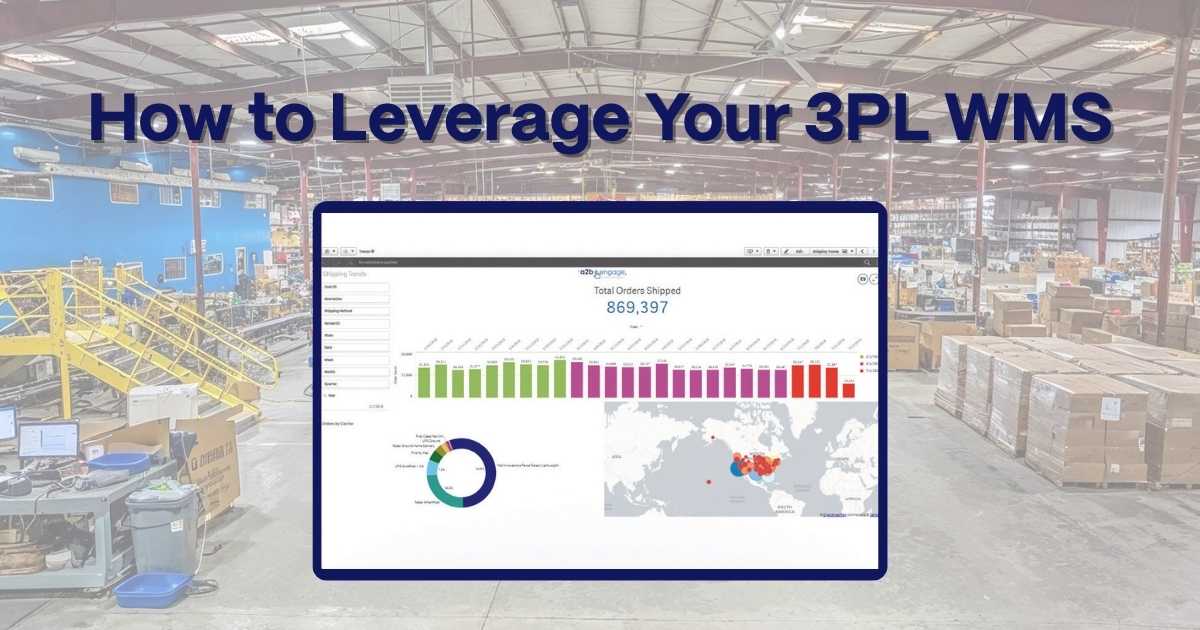
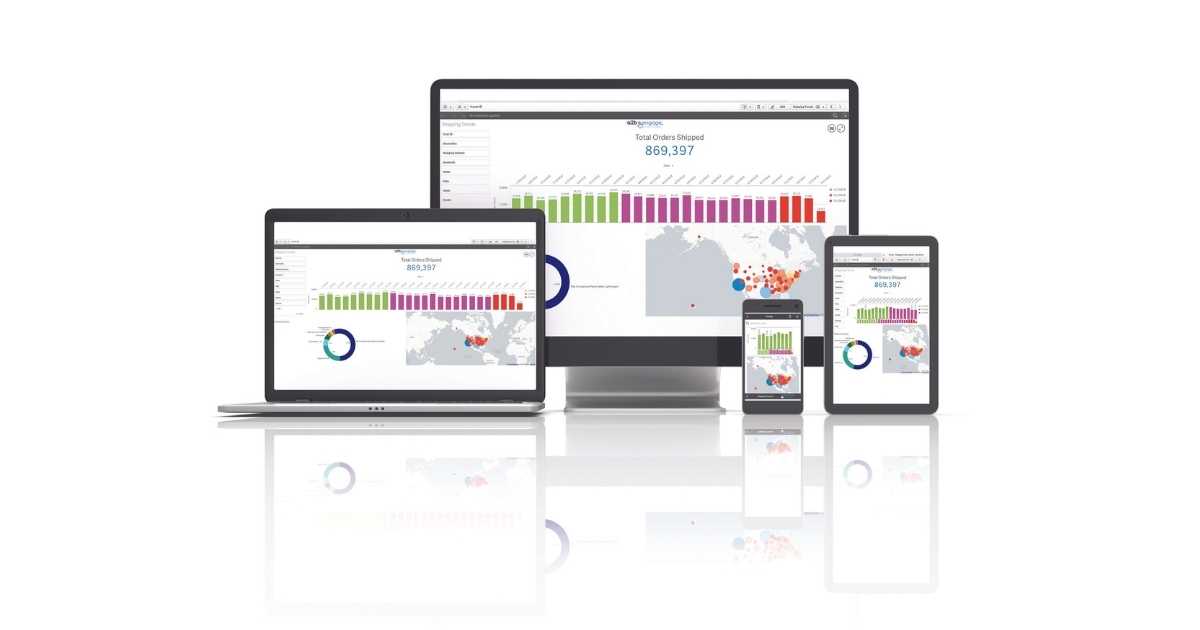
Transparency is delivered through our client portal, "a2b Engage." This portal provides you with real-time data and analytics directly from our WMS. You can view inventory levels, track order statuses, monitor fulfillment performance against SLAs, and access dozens of customizable reports. This level of visibility empowers you to make informed decisions about your supply chain with confidence.
Ultimately, our WMS is more than just software; it is a core part of our commitment to partnership. We provide the systems and expertise needed to manage your daily warehouse operations, allowing you to focus on growing your brand.
Discover how a2b Fulfillment’s advanced WMS and expert team can optimize your supply chain. Learn more about our technology-driven fulfillment solutions today.