

When a food recall strikes, every minute counts. Your logistics partner can either accelerate your response or become a bottleneck that amplifies the damage. This blog breaks down what food recall management involves, what causes recalls in the first place, and how the right 3PL can make the difference between a controlled response and a brand crisis.
Table of Contents
- What Is Food Recall Management and Why Does It Matter?
- Common Causes of Food Recalls in the Supply Chain
- How Can a 3PL Partner Streamline Food Recall Management?
- What Should You Look for in a 3PL for Food Recall Preparedness?
What Is Food Recall Management and Why Does It Matter?
Food recall management is the systematic process of identifying, tracking, and removing unsafe food products from the supply chain before they cause harm. It encompasses everything from the initial safety alert to the last recovered unit, requiring speed, precision, and clear communication across every link in the chain.
The stakes couldn't be higher. Consumer safety is the obvious priority, but brand protection and regulatory compliance run a close second.
The FDA's Food Safety Modernization Act (FSMA) places strict requirements on food businesses to have documented recall procedures and traceability systems in place. Failing to comply doesn't just put consumers at risk. It invites regulatory action, product liability lawsuits, and the kind of media scrutiny that erodes customer trust for years.
The financial impact of a mishandled recall is sobering. According to industry estimates, the average food recall costs a company over $10 million in direct expenses, and that figure doesn't account for lost sales, retailer chargebacks, or the long-term reputational damage that follows a botched response. Recalls are inherently disruptive; how you manage them determines whether they become existential.
Speed and accuracy are the two variables you can control. Having the right systems and the right 3PL in place before a recall happens is what separates brands that recover quickly from those that don't.
Common Causes of Food Recalls in the Supply Chain

Understanding why recalls happen is the first step toward preventing them and toward building a response plan for when prevention isn't enough.
- Contamination issues remain the most publicized cause of recalls. Bacterial contaminants like Salmonella, Listeria, and E. coli can enter the supply chain at the farm, during processing, or in the warehouse. Chemical and physical contaminants such as foreign objects, cleaning agents, and packaging materials are less common but no less serious.
- Allergen mislabeling is consistently one of the top triggers for recalls reported to the FDA. When an undeclared allergen ends up in a product, whether through cross-contact, a labeling error, or a last-minute formulation change, the brand is legally obligated to pull the product from shelves immediately.
- Packaging defects create their own category of risk. Seal failures can allow contamination post-production. Incorrect labels can misrepresent ingredients, allergens, or nutritional information. Missing required information can trigger regulatory action even when the product itself is safe.
- Temperature control failures are particularly dangerous in the food supply chain because the damage is often invisible. A cold chain break during storage or transit can allow pathogen growth with no outward sign until someone gets sick.
- Supplier quality issues can introduce problems before a product ever reaches your warehouse. Ingredients or materials that don't meet your specifications can compromise finished goods in ways that are difficult to catch without robust incoming inspection protocols.
- Documentation errors, including misrecorded lot codes, incorrect expiration dates, and incomplete chain-of-custody records, may seem like administrative problems, but they can turn a manageable recall into a sprawling one if you can't precisely identify which units are affected.
How Can a 3PL Partner Streamline Food Recall Management?

A 3PL isn't just a warehouse. In a recall scenario, your fulfillment partner becomes part of your crisis management team. Here's what that looks like in practice.
Advanced Lot Tracking and Traceability Systems
The foundation of any recall response is knowing exactly where every unit is. A qualified 3PL maintains real-time inventory tracking at the lot- and batch-level, integrated with its warehouse management system (WMS). That means when you identify an affected lot, your 3PL can tell you instantly how many units are on hand, where they are in the facility, and which shipments have already gone out.
Barcode and RFID technology make this level of precision possible at scale. Full chain-of-custody documentation, from the moment product is received to the moment it ships, gives you the audit trail regulators will ask for and the data you need to limit the scope of the recall to only what's truly affected.
Rapid Product Identification and Quarantine
Speed in the first hours of a recall is critical. A capable 3PL can immediately identify and isolate affected inventory, moving it to dedicated quarantine areas to prevent any additional distribution. Hold protocols should allow your 3PL to stop outbound shipments within minutes of a recall notification, not hours.
Cross-contamination prevention is equally important. Quarantine procedures need to ensure that affected product doesn't come into contact with unaffected inventory, and that the recall doesn't inadvertently expand in scope due to warehouse handling.
Efficient Reverse Logistics Operations
Recall management doesn't end when you stop shipping. It continues through the retrieval and return of product already in the field. An experienced 3PL has established processes for coordinating returns from retailers and distributors, receiving and documenting returned goods, and properly disposing of or reconditioning recalled items.
Every returned unit needs to be logged. Regulatory compliance and potential litigation both depend on having complete records of what came back, where it came from, and what happened to it.
Communication and Documentation Support
During a recall, communication failures compound the damage. The best 3PL partners serve as a centralized hub for recall-related coordination, maintaining automated notification systems for customers and distributors, generating comprehensive recall reports, and building the audit trails your legal and regulatory teams will need.
Some 3PLs also offer regulatory filing assistance, helping brands navigate the documentation requirements of a formal FDA recall notification. This support can be invaluable for teams that haven't managed a recall before.
What Should You Look for in a 3PL for Food Recall Preparedness?
Not all 3PLs are equally equipped to handle a food recall. When evaluating a logistics partner, look for these capabilities specifically:
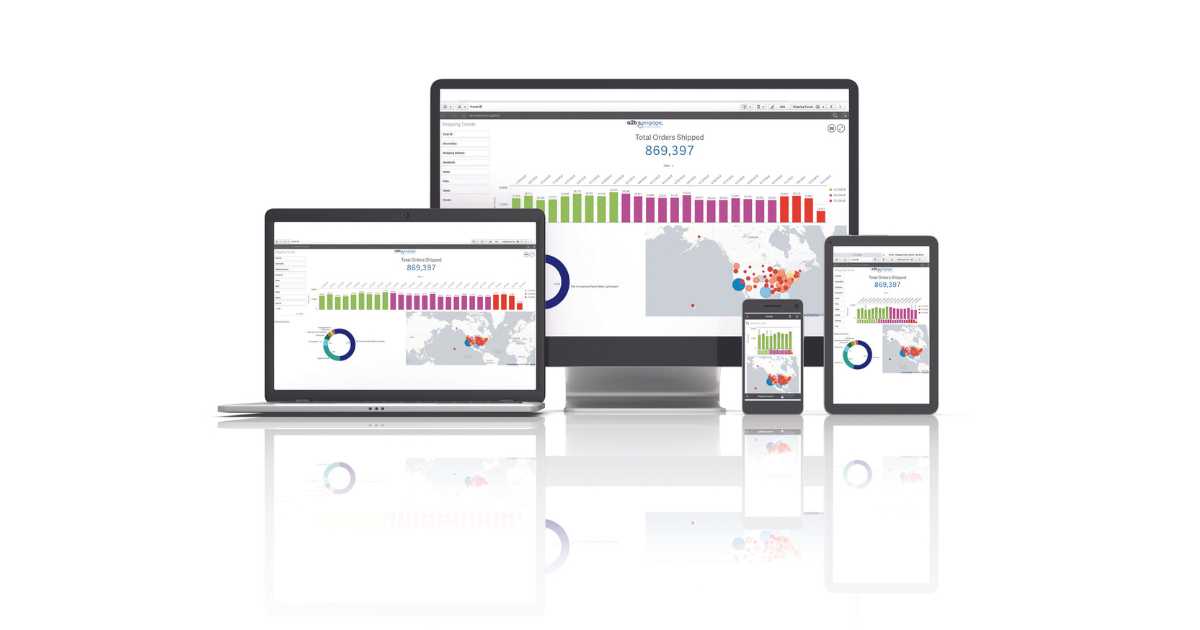
Technology infrastructure is non-negotiable. A robust WMS with lot-level tracking, real-time inventory visibility, and automated reporting isn't a premium feature. It's the baseline for food recall readiness.
Documented recall protocols matter more than promises. Ask prospective 3PLs for their written recall procedures, and ask whether they've ever executed a real recall. A 3PL that's been through the process is significantly better prepared than one with a theoretical plan.
Transparent communication is often what separates a manageable recall from a chaotic one. Dedicated account management, clear escalation paths, and proactive status updates are indicators of a partner that will actually function as a partner when things go wrong.
Geographic reach should align with your distribution footprint. A 3PL with a single facility may limit your ability to execute a coordinated, nationwide recall response.
The Bottom Line

A food recall is one of the highest-pressure events a brand can face. The companies that navigate them successfully aren't just lucky. They've chosen logistics partners with the systems, protocols, and experience to respond decisively. If your current 3PL can't tell you, right now, exactly where every lot of your inventory is located and how quickly they could quarantine it, that's a gap worth closing before you need it.
At a2b Fulfillment, we work with food and beverage brands that can't afford to leave recall readiness to chance. Contact our team to learn more about our food-grade fulfillment capabilities and how we support clients through compliance, traceability, and supply chain resilience.
Frequently Asked Questions
How quickly can a 3PL stop shipments during a food recall?
A qualified 3PL with proper systems in place should be able to halt outbound shipments of affected lots within minutes of receiving recall notification. This depends on having lot-level tracking in their WMS and defined hold protocols that can be activated immediately, not a manual process that requires someone to walk the warehouse.
What technology is essential for effective food recall management?
At minimum, effective food recall management requires a warehouse management system (WMS) with lot-level inventory tracking, real-time visibility into inventory location and quantity, automated alert capabilities, and comprehensive reporting for regulatory compliance. RFID or barcode scanning at every touch point, including receipt, putaway, pick, pack, and ship, is what makes that tracking accurate enough to rely on when it matters most.
About the Author
Sarah Smith is Vice President of Marketing at a2b Fulfillment, where she leads brand strategy, content, and sales enablement for one of the industry's most operationally focused third-party logistics providers. With more than 10 years of experience spanning marketing and logistics, Sarah brings a ground-level understanding of what eCommerce brands need from a fulfillment partner. Her writing covers 3PL technology, DTC and B2B fulfillment operations, supply chain strategy, and the evolving demands of modern eCommerce.