

Pre-Read TL;DR
Running out of stock or selling products you do not actually have can severely damage your brand reputation and bottom line. Modern inventory tracking systems solve this by giving you real-time visibility and automated control over your entire stock network. In this blog, we explain how these systems work, why they prevent stockouts, and what to look for when choosing a third-party logistics (3PL) partner.
Table of Contents
- What Is an Inventory Tracking System?
- How Does a WMS Prevent Stockouts Before They Happen?
- How a 3PL's Inventory Tracking System Works for Multi-Channel Sellers
- What to Look for in an Inventory Tracking System (or 3PL Partner)
- Conclusion
- FAQs
What Is an Inventory Tracking System?
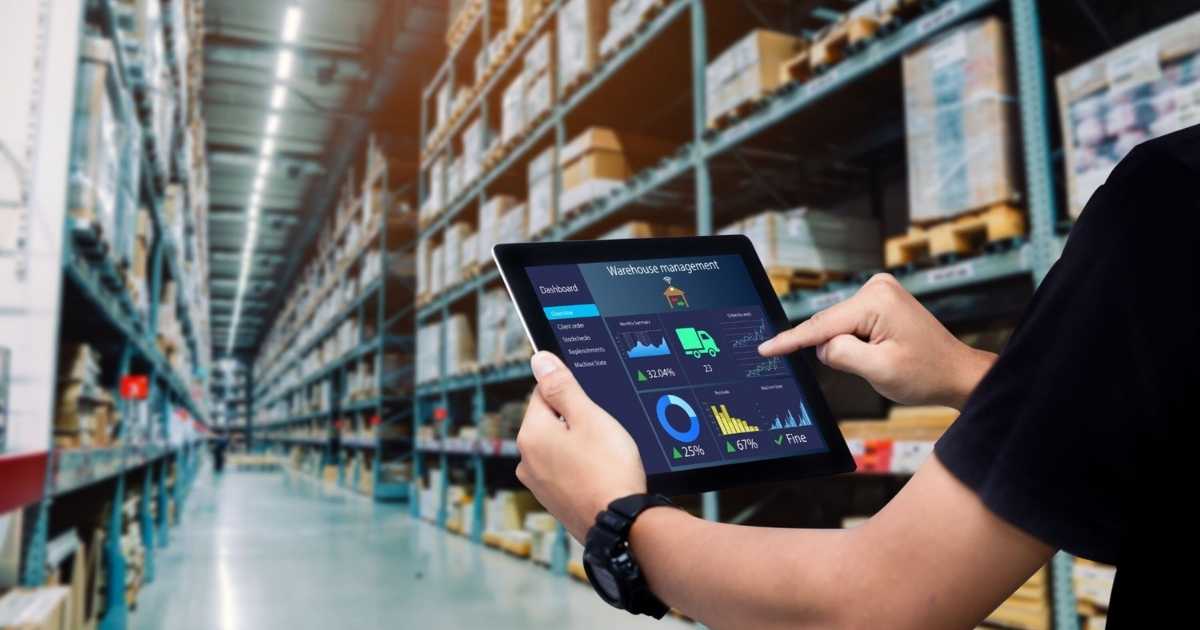
An inventory tracking system encompasses the software and processes used to monitor stock levels, locations, movements, and status in real time. These tools track inventory across one or more warehouses and multiple sales channels, ensuring you always know exactly what you have and where it sits.
For many years, businesses relied on manual methods or spreadsheet-based tracking. However, these manual processes are highly error-prone, inherently time-delayed, and impossible to scale. Common failure points include cycle count lags, human data entry errors, and a total lack of real-time syncing with active sales channels. When someone buys a product on your website, a manual spreadsheet does not update automatically. This leads directly to overselling.
Over time, basic inventory software evolved into the modern Warehouse Management System (WMS). Today, the gold standard is a cloud-based, omnichannel inventory platform. High-SKU-count brands are especially exposed to inventory inaccuracies at scale. When you manage thousands of variations, colors, and sizes, an automated inventory management system is not just a luxury; it is a fundamental requirement to keep your operations running smoothly.
Key Components of a Modern Inventory Tracking System
Advanced inventory management tools rely on a few core components to keep operations flawless:
- Real-time stock level visibility: See exactly how many units are available at any given second.
- SKU-level location tracking: Know exactly which aisle, rack, and bin holds a specific product within the warehouse.
- Automated replenishment alerts: Set low-stock thresholds that notify your team when it is time to reorder.
- Seamless integrations: Connect directly with your sales channels, shopping carts, and marketplaces.
- Reporting and analytics dashboards: Turn raw data into actionable insights to guide purchasing and strategy.
How Does a WMS Prevent Stockouts Before They Happen?

A stockout happens when customer demand exhausts your available inventory. The downstream effects of a stockout are severe. You face lost revenue, a highly frustrating customer experience, the loss of the Amazon Buy Box, and potentially steep retailer chargebacks.
A WMS-based inventory tracking system prevents these disasters through continuous, automated updates. With every receipt, pick, and shipment, the system updates your real-time inventory counts. Because there is no lag between the physical movement of a box and the system record, your store always displays accurate availability.
Furthermore, reorder point alerts trigger automatically when SKU levels fall below your defined thresholds. You do not have to guess when to order more products. Demand forecasting signals, derived from order velocity data and seasonal trends, guide your purchasing. When new stock arrives, inbound receipt tracking tells the system what is arriving and when, allowing your team to plan fulfillment efficiently. At a2b Fulfillment, we pride ourselves on maintaining a 99.9% inventory accuracy rate, proving just how reliable a top-tier WMS can be.
The Role of Safety Stock in Stockout Prevention
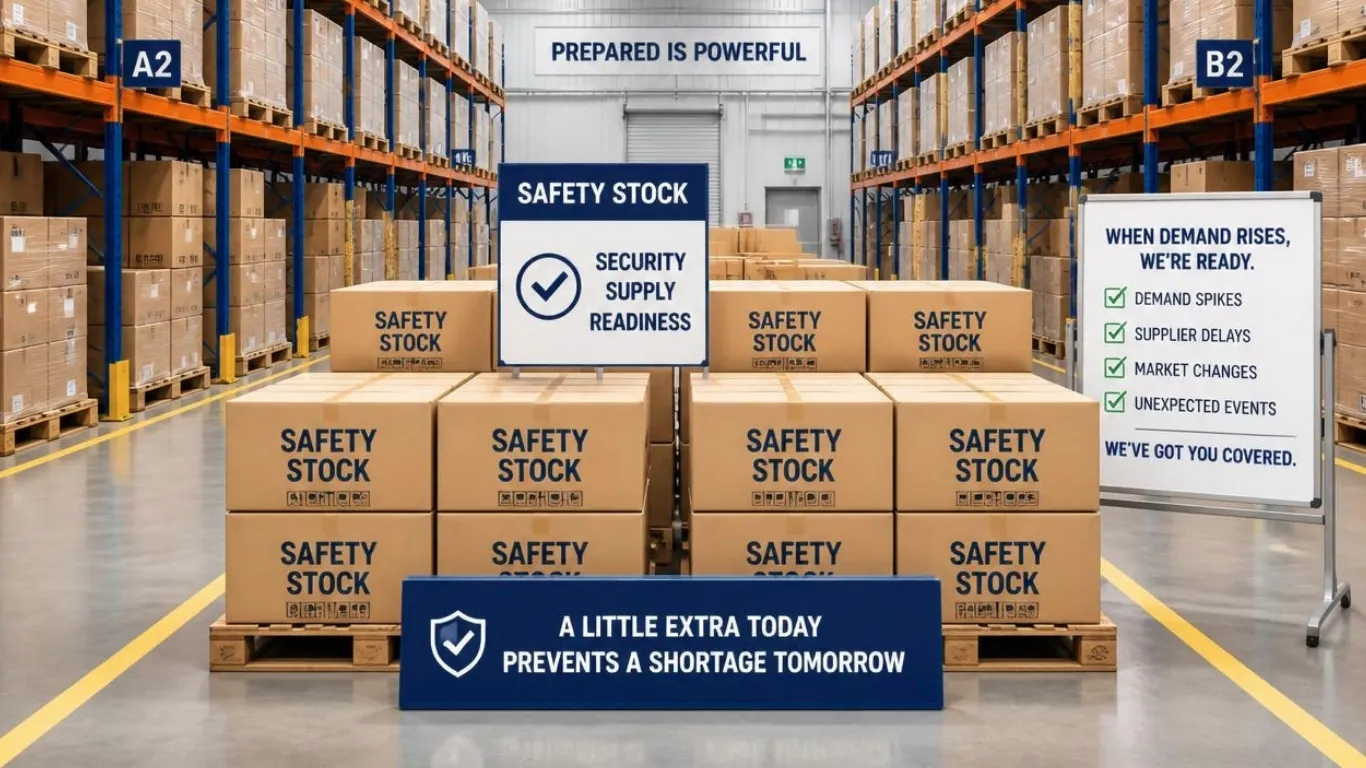
Safety stock is the extra buffer of inventory you keep on hand to guard against unexpected demand spikes or supplier delays. While older methods relied on static rules of thumb to guess safety stock levels, a modern WMS calculates this dynamically. By analyzing order velocity data and historical trends, your inventory management software helps you maintain smarter, more accurate safety stock buffers that protect your sales without unnecessarily tying up capital.
How a 3PL's Inventory Tracking System Works for Multi-Channel Sellers

Brands that sell across Amazon, Direct-to-Consumer (DTC) sites, retail partners, and wholesale channels face a unique set of challenges. Tracking inventory manually across all these platforms simultaneously is a recipe for overselling.
When you partner with a 3PL, their inventory management software handles this complex workflow for you:
- Receiving: Inventory arrives at the warehouse where it is scanned, counted, slotted, and immediately recorded in the WMS.
- Ordering: Orders flow in from any connected channel. The WMS instantly reserves the necessary stock and routes the order to the warehouse floor.
- Fulfillment: The warehouse team executes the pick and pack process, which decrements the inventory in real time.
- Shipping: Once the shipment is confirmed, all connected sales channels update simultaneously to reflect the new stock levels.
- Returns: Customer returns are processed, triaged for refurbishment if necessary, and restocked. The inventory count goes back up automatically.
a2b Fulfillment’s Inventory Tracking Capabilities
a2b Fulfillment stands out for its advanced inventory tracking solutions tailored for brands navigating multiple sales channels. Our omnichannel fulfillment model leverages a shared inventory pool - allowing products to be distributed seamlessly across Amazon, DTC websites, retail partners, and wholesale, without the complexity of siloed stock. This unified approach ensures real-time synchronization and optimal stock allocation, minimizing risk of overselling.
We are fully equipped to support Amazon’s Fulfilled by Merchant (FBM) and Seller Fulfilled Prime (SFP) programs, as well as FBA prep services, streamlining your ability to stay compliant and competitive on this vital marketplace. Orders from any channel are instantly reflected in our system, providing up-to-the-second inventory counts and automated workflows.
Beyond outbound fulfillment, our robust reverse logistics operations manage returns efficiently—processing, triaging, and refurbishing items as needed so they re-enter available inventory quickly. This continuous flow keeps your inventory data accurate and maximizes sellable stock.
With a2b Fulfillment, you gain access to 99.9% inventory accuracy, a multi-location warehouse network, and an expert team focused on scalable, real-time inventory management for growing brands.
At a2b Fulfillment, we offer specific capabilities designed for multi-channel success. Our omnichannel fulfillment model uses a shared inventory pool, meaning you do not have to isolate stock for different platforms. We also handle Amazon FBM, Seller Fulfilled Prime (SFP), and FBA prep, alongside robust reverse logistics that feed refurbished items right back into your available inventory.
What to Look for in an Inventory Tracking System (or 3PL Partner)
.jpg)
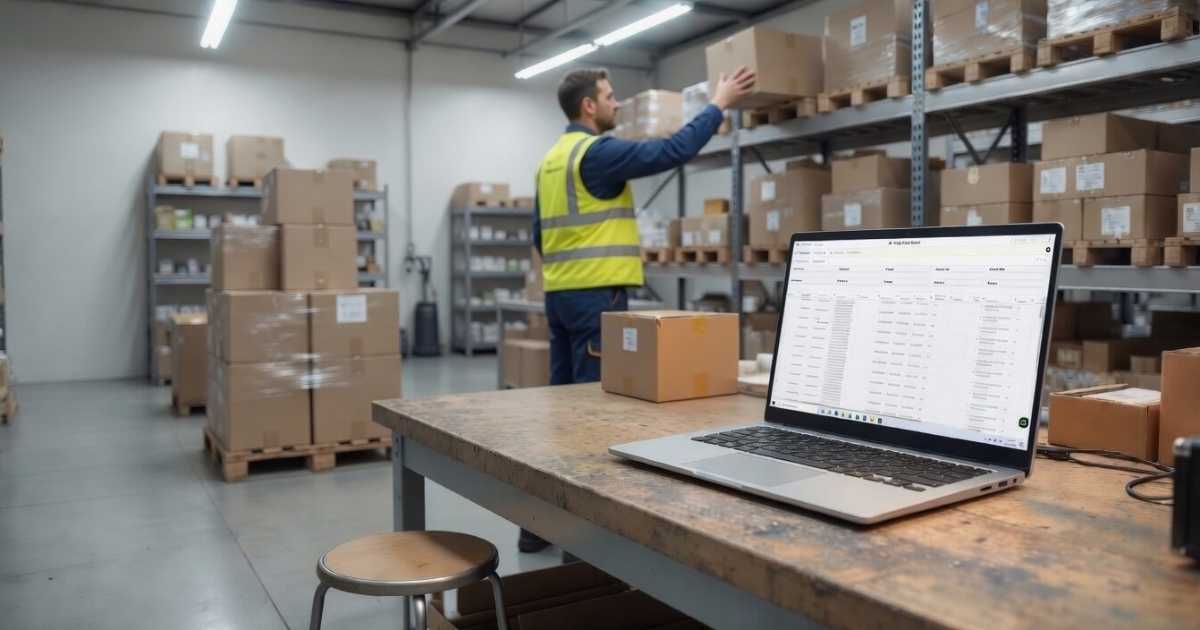
If you are evaluating inventory tracking solutions or searching for a new 3PL partner, use this practical checklist to ensure you get the best tools for the job:
- Real-time visibility: Can you check your live inventory count from anywhere, at any time?
- Channel integrations: Does the software connect natively to your current storefronts and marketplaces?
- Accuracy benchmarks: What inventory accuracy rate does the provider guarantee? (For context, a2b Fulfillment operates at 99.9% accuracy).
- Scalability: Can the system handle massive volume spikes during peak holiday seasons without degrading accuracy or speed?
- Returns handling: Does inventory from returns flow back into your available stock seamlessly?
- Reporting depth: Can you access SKU-level velocity, aging inventory reports, and trend data all in one central dashboard?
- Fulfillment network: Does the 3PL offer multi-location warehousing to support faster shipping times and network redundancy?
Conclusion
Effective inventory control is the backbone of a successful retail operation. By leveraging modern inventory tracking systems, you can eliminate stockouts, stop overselling, and gain total visibility into your supply chain. Ready to upgrade your logistics? Partner with a2b Fulfillment to access state-of-the-art warehouse management tools and a proven 99.9% accuracy rate. Contact us today to learn how our omnichannel fulfillment solutions can scale your business.
FAQs
What is an inventory tracking system?
An inventory tracking system is software, often embedded within a Warehouse Management System (WMS), that monitors stock levels, locations, and movements in real time across warehouses and sales channels, giving businesses a single, accurate view of available inventory at all times.
How do inventory tracking systems prevent stockouts?
They set automated low-stock alerts and reorder triggers, maintain real-time counts updated with every warehouse movement, and provide order velocity data that helps businesses maintain appropriate safety stock buffers.
Can a 3PL's inventory tracking system sync with my Shopify or Amazon store?
Yes, a modern 3PL like a2b Fulfillment integrates directly with platforms including Shopify, Amazon, Walmart, WooCommerce, BigCommerce, and eBay. This enables a real-time inventory sync so that all channels reflect accurate stock levels the moment an order is placed or fulfilled.