

When a customer places an order, they expect the right product, in perfect condition, delivered on time. That expectation does not shift based on how busy your warehouse is, how many SKUs you carry, or how fast your business is growing. Meeting it consistently requires more than good intentions. It requires a deliberate quality control process built into every stage of fulfillment.
At a2b Fulfillment, quality control is not a final checkpoint before packages leave the dock. It is embedded in how we route orders, run inspections, select packaging, and hand off shipments to carriers. Over 24 years in the industry, we have refined this process to minimize errors, protect your brand, and support the kind of customer experience that drives repeat business.
Here is a close look at how our quality control process works and what it means for your bottom line.
Why Is Quality Control Essential in Order Fulfillment?
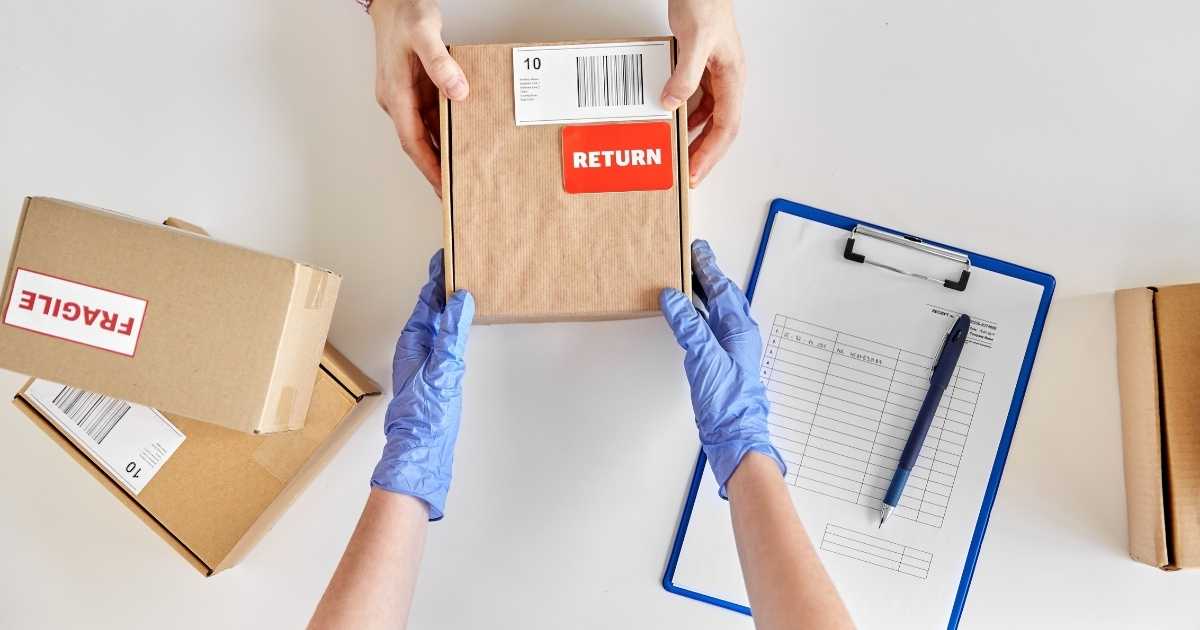
The cost of a fulfillment error is almost always higher than it appears on the surface. A single mispicked or damaged order creates a return, a refund, a customer service interaction, and a reshipment. Multiply that across a few hundred orders per month and the financial and reputational damage adds up fast.
The numbers from the industry make this clear. According to the National Retail Federation, retail returns reached $890 billion in 2024, representing 16.9% of annual sales. Processing a return costs anywhere from 20% to 65% of the item's original value once you factor in reverse logistics, inspection, repackaging, and restocking. And it is not just the cost of handling the return that hurts: research from Bain and Company shows that a 5% increase in customer retention can boost profits by 25% to 95%. Getting orders right the first time is one of the most direct ways to protect that retention.
The downstream effects on brand reputation are equally significant. A customer who receives a wrong or damaged order is unlikely to frame it as a fulfillment error. They frame it as a brand failure. That perception drives negative reviews, social media complaints, and lost future revenue that is difficult to quantify and even harder to recover.
Strong quality control addresses all of this at the source. Here is what it delivers in practice:
- Ensures Accuracy: Minimizes errors in picking, packing, and shipping, supporting a 99.9% order accuracy rate. Every verified order is one fewer return to process and one fewer customer to win back.
- Enhances Customer Satisfaction: Correct, undamaged products arriving as expected reduce disputes, lower return rates, and build the kind of post-purchase trust that translates to repeat orders and positive reviews.
- Protects Brand Reputation: Consistent quality control prevents the errors that generate negative feedback and erode confidence in your brand. When customers can rely on receiving the right order every time, your reputation becomes a competitive advantage.
Related Reading:
→ What Ecommerce Growth Data Tells Us About the Future of Fulfillment
→ Be Ecommerce Shipping Efficient with a2b Fulfillment
How Does a2b's Quality Control Process Work?
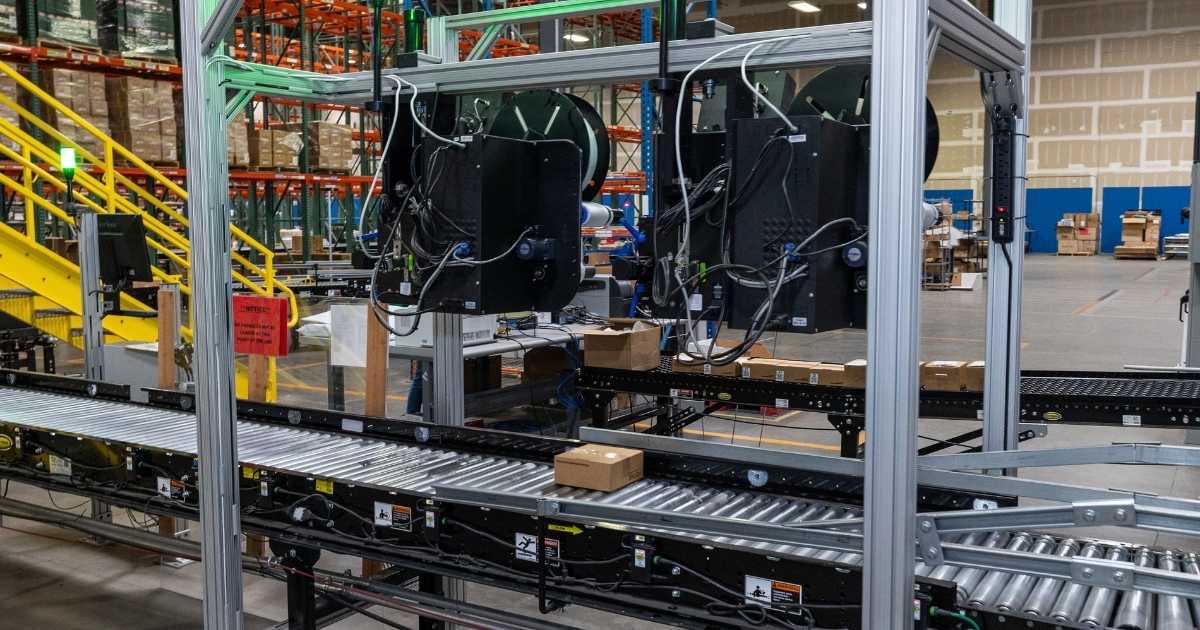
Our quality control process is systematic and technology-enabled. It is not a manual spot-check at the end of a shift or a random sampling program. Orders move through a structured inspection workflow governed by predefined rules, automation, and experienced fulfillment specialists working together at each stage.
The process begins before an order is picked. Our warehouse management system evaluates incoming orders and routes them based on criteria that signal elevated risk. From there, multiple checkpoints confirm accuracy at every stage before a package is sealed and staged for carrier pickup. That layered approach is what makes our accuracy rate possible at scale.
Three core mechanisms drive how the process functions:
- Automated Order Routing: Orders are directed into quality control workflows based on factors like order value, product category, and individual picker performance history. This data-driven routing ensures that high-risk orders receive the most thorough review without slowing down routine fulfillment. Higher-value shipments are flagged automatically for additional inspection regardless of who picked them.
- Comprehensive Inspections: Multiple quality control checkpoints include item-level barcode scans and weight audits at the pack station. Each scan confirms that what is going into the box matches what was ordered, down to SKU and quantity. Weight audits provide a secondary verification layer: if a box does not weigh within the expected range, it is flagged before it reaches the carrier.
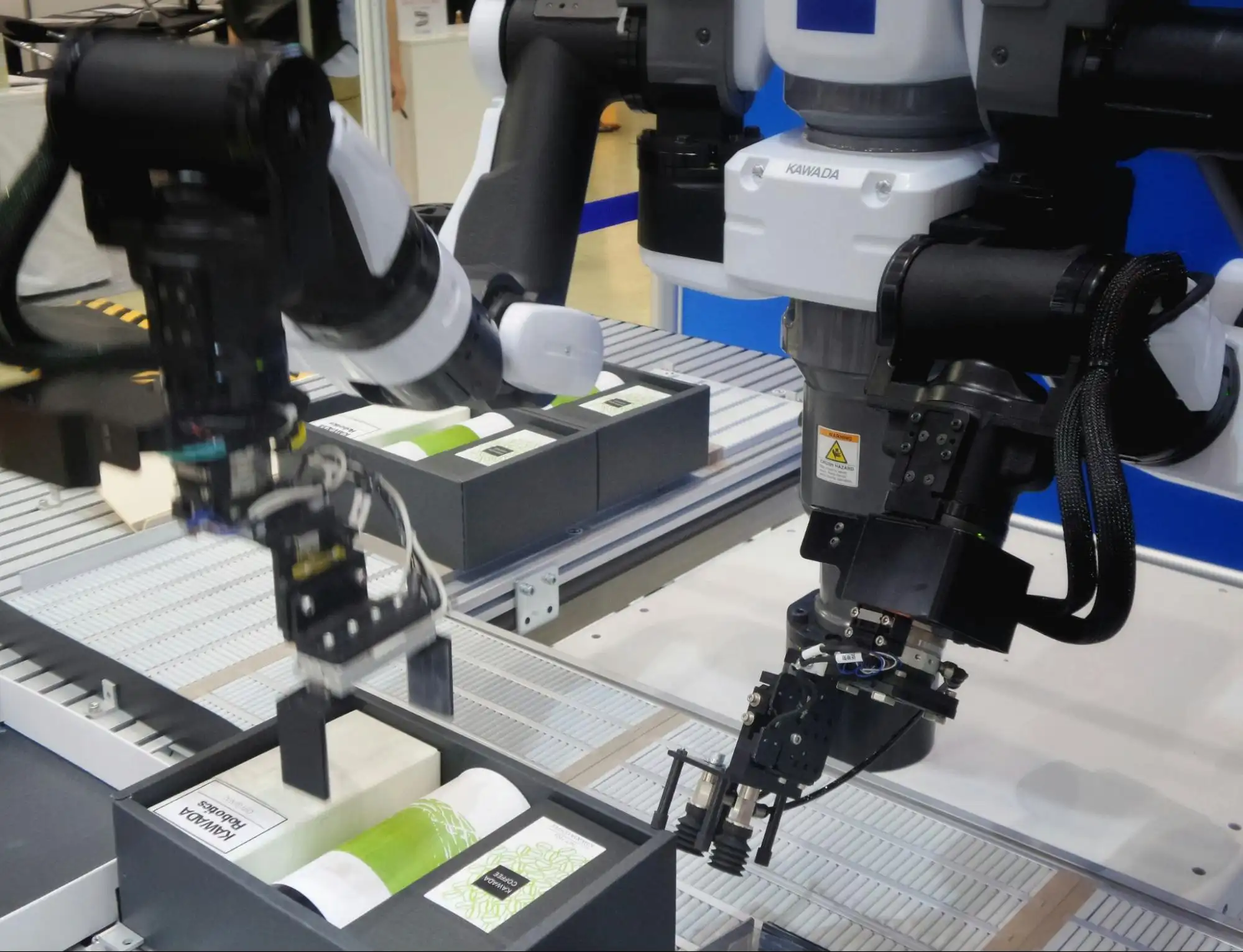
- Integration with Technology: Robotics and automation are woven into our fulfillment operation to reduce the points where human error can enter the process. According to McKinsey and Company, automated fulfillment systems can improve order processing speeds by up to 300%. For a2b clients, that speed does not come at the cost of accuracy: our automation is configured specifically to maintain verification standards at higher throughput.
What Are the Key Components of Our Quality Control Process?
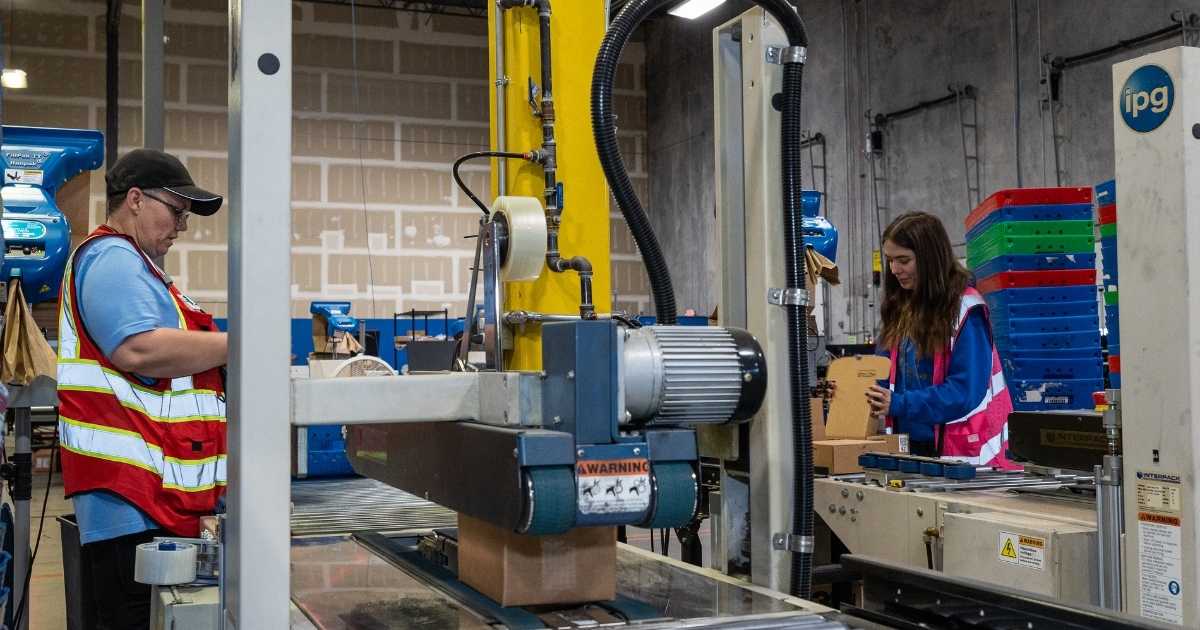
Effective quality control is not a single step. It is a set of interconnected components, each targeting a different point where errors commonly occur. At a2b, these components work together to catch problems before they reach your customers and to optimize the physical fulfillment process from pick to ship.
Understanding each component helps clarify why the process performs the way it does, and why our clients see measurable reductions in return rates and customer complaints after partnering with us.
- Purpose-Driven Inspections: Not every order needs the same level of scrutiny. Our system selects orders for quality control review based on predefined criteria rather than random sampling. This targeted approach concentrates resources where they matter most, such as high-value orders, new SKUs, or orders picked by staff with lower accuracy scores during a given shift. The result is more thorough coverage of the orders that carry the most risk, without creating unnecessary bottlenecks for standard shipments.
- Right-Sized Packaging: Packaging decisions have a direct impact on both product safety and shipping costs. Our cartonization software determines the optimal box size for every shipment based on the dimensions and weight of the items inside. This reduces void fill waste, lowers dimensional weight charges from carriers, and ensures products are snug enough to arrive undamaged. Oversized packaging is one of the leading causes of in-transit damage; eliminating it through automation protects your products and your margins simultaneously.
- Shipping Automation: In-line scales and dimension scanners verify accurate labeling and support the right carrier and service selection for each shipment. This step catches label discrepancies and weight variances before a package enters the carrier network, preventing the costly billing adjustments and delivery delays that come from inaccurate shipping data. Carriers charge based on the greater of actual weight and dimensional weight; our scanning infrastructure ensures those calculations are always accurate.
Together, these components create a fulfillment environment where errors are caught systematically rather than discovered after a customer complaint. That proactive structure is what separates a well-designed quality control process from reactive damage control.
How Does Quality Control Impact Your Bottom Line?
Quality control is often discussed as an operational function, but its financial implications are substantial and measurable. The true cost of a fulfillment error extends well beyond the price of reshipping a package. It includes the labor to process the return, the cost of any replacement product, the customer service time spent on the interaction, and the potential loss of that customer's future business.
Consider what industry data shows. According to fulfillment industry research, the average picking error costs between $10 and $250 to resolve, depending on the product and return logistics involved. A 1% error rate across 1,500 daily orders can cost a business approximately $195,000 annually. For brands scaling through a 3PL, accuracy is not just a service quality metric: it is a direct line to profitability.
Customer retention compounds these stakes further. Research from Bain and Company confirms that acquiring a new customer costs five to seven times more than retaining an existing one. A customer lost to a poor fulfillment experience does not just represent a single lost sale. It represents the full expected lifetime value of that relationship, plus the cost of acquiring a replacement. When quality control prevents the error that would have caused that churn, the return on that investment is significant.
- Cost Savings: Fewer returns and re-shipments mean lower operational costs across the board. Reverse logistics, restocking labor, and replacement product costs all decrease when orders go out correctly the first time. At scale, even a marginal improvement in accuracy rate translates to meaningful savings.
- Improved Efficiency: Streamlined inspection processes reduce bottlenecks and unnecessary labor hours, enabling faster order fulfillment without sacrificing accuracy. A well-designed quality control workflow adds checks without adding friction: our automated routing and scanning systems are built to keep orders moving while verifying them simultaneously.
- Enhanced Customer Loyalty: Customers who consistently receive correct orders return more often and refer others. Research across ecommerce retention studies shows that referred customers carry a 16% higher lifetime value than those acquired through paid channels, and that word-of-mouth referrals from satisfied customers are among the most cost-effective growth drivers available to any brand.
The financial case for quality control is not theoretical. It is visible in return rates, reorder rates, customer acquisition costs, and operational overhead. Partnering with a 3PL that treats quality as a core competency rather than a cost center changes those numbers in your favor.
How Can You Benefit from Our Quality Control Process?
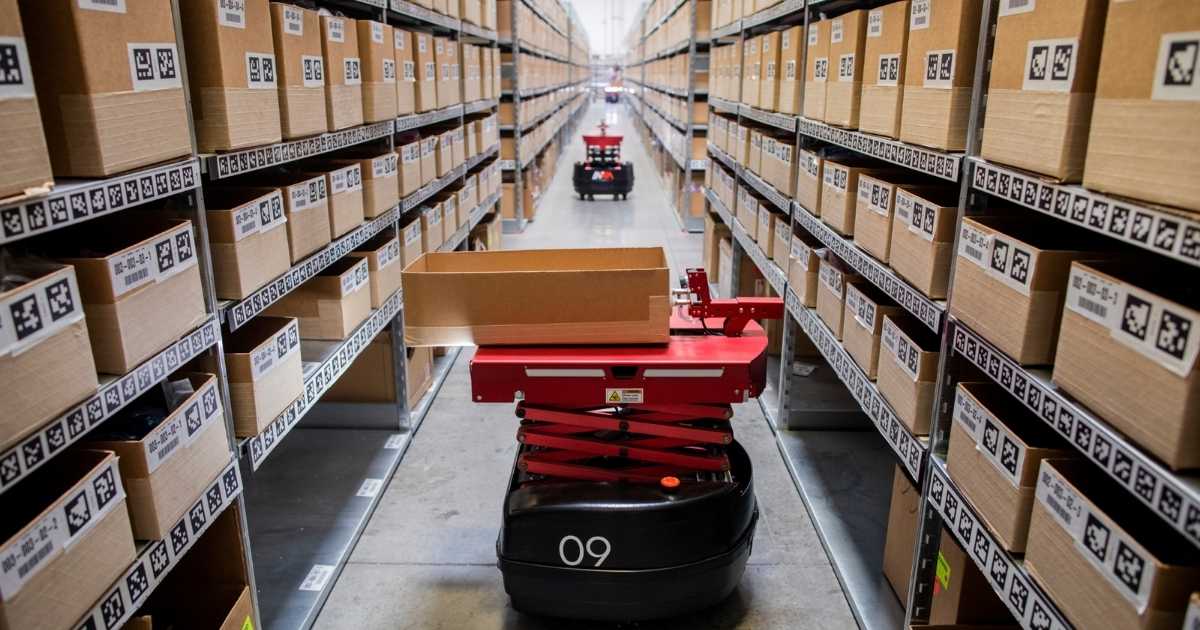
The benefits of our quality control process are not limited to error reduction. They extend to how our operation supports your business goals: growing efficiently, delivering consistently, and maintaining the brand experience your customers expect at every order volume.
Whether you are shipping a few hundred orders per month or scaling into the tens of thousands, the fundamentals of quality control must remain stable. Our process is designed to scale with you without requiring you to rebuild your fulfillment program from scratch as your business grows.
- Scalability: Our quality control infrastructure is built to handle increased order volumes without sacrificing accuracy. The automated routing, scanning, and inspection systems that protect a brand shipping 500 orders per month operate with the same rigor at 50,000 orders per month. Logistics Management's 2025 Automation Survey found that 58% of warehouse operators cite order accuracy improvement as a top automation goal, up from 52% the prior year. Our investment in that infrastructure means you benefit from it without having to fund it yourself.
- Customization: No two product lines are identical, and quality control standards should reflect that. We tailor inspection criteria, packaging requirements, and routing rules to fit the specific needs of your products and your customers. Fragile goods, high-value items, subscription boxes, and multi-SKU bundles each carry different risk profiles; our process is configured accordingly rather than applying a one-size-fits-all approach.
- Expertise: With more than 25 years of experience in the fulfillment industry, our team brings deep operational knowledge to every client partnership. That experience means we have seen the failure modes, built the processes to prevent them, and refined those processes across millions of shipments. You benefit from that accumulated knowledge from day one, without the learning curve that comes with building in-house fulfillment operations.
Quality control is ultimately about reliability: the confidence that your customers will receive what they ordered, when they expect it, in the condition it was meant to arrive. That reliability is what turns first-time buyers into repeat customers, and repeat customers into brand advocates. It is also what protects your margins, reduces your operational overhead, and positions your brand for sustainable growth.
At a2b Fulfillment, we take quality control seriously because we understand what is at stake on both sides of every shipment. Your products represent your brand. Our job is to make sure they arrive that way.
Ready to improve your order accuracy and protect your brand reputation?
Contact a2b Fulfillment today to learn how our quality control process can work for your business.
About the Author
Sarah Smith is Vice President of Marketing at a2b Fulfillment, where she leads brand strategy, content, and sales enablement for one of the industry's most operationally focused third-party logistics providers. With more than 10 years of experience spanning marketing and logistics, Sarah brings a ground-level understanding of what eCommerce brands need from a fulfillment partner. Her writing covers 3PL technology, DTC and B2B fulfillment operations, supply chain strategy, and the evolving demands of modern eCommerce.