

If you sell products online, you have probably heard the term “pick and pack fulfillment” thrown around. But what does it actually mean, and why does it matter for your business? In this guide, we break down exactly how pick and pack works, why growing ecommerce brands rely on it, and how to decide whether to keep it in-house or hand it off to a 3PL.
Table of Contents
- What Is Pick and Pack Fulfillment?
- How the Pick and Pack Process Works from Order to Delivery
- Why Growing Ecommerce Brands Use Pick and Pack Fulfillment
- In-House Fulfillment vs. Outsourcing Pick and Pack Services
- How Much Does Pick and Pack Fulfillment Cost?
What Is Pick and Pack Fulfillment?
Pick and pack fulfillment is the process of selecting the right products from a warehouse, packaging them correctly, and preparing them to ship after a customer places an order. It is the backbone of order fulfillment, and it happens every time you buy something online, whether you realize it or not.
The name says it all: there is a “pick” step and a “pack” step. Each one plays a different role in getting an order from your warehouse to your customer's front door correctly and on time.
Breaking Down the “Pick” Step
Picking is exactly what it sounds like. Once an order comes in, warehouse staff locate and retrieve the correct products and quantities from inventory. This sounds simple, but in a warehouse with hundreds or thousands of SKUs, accuracy matters a lot.
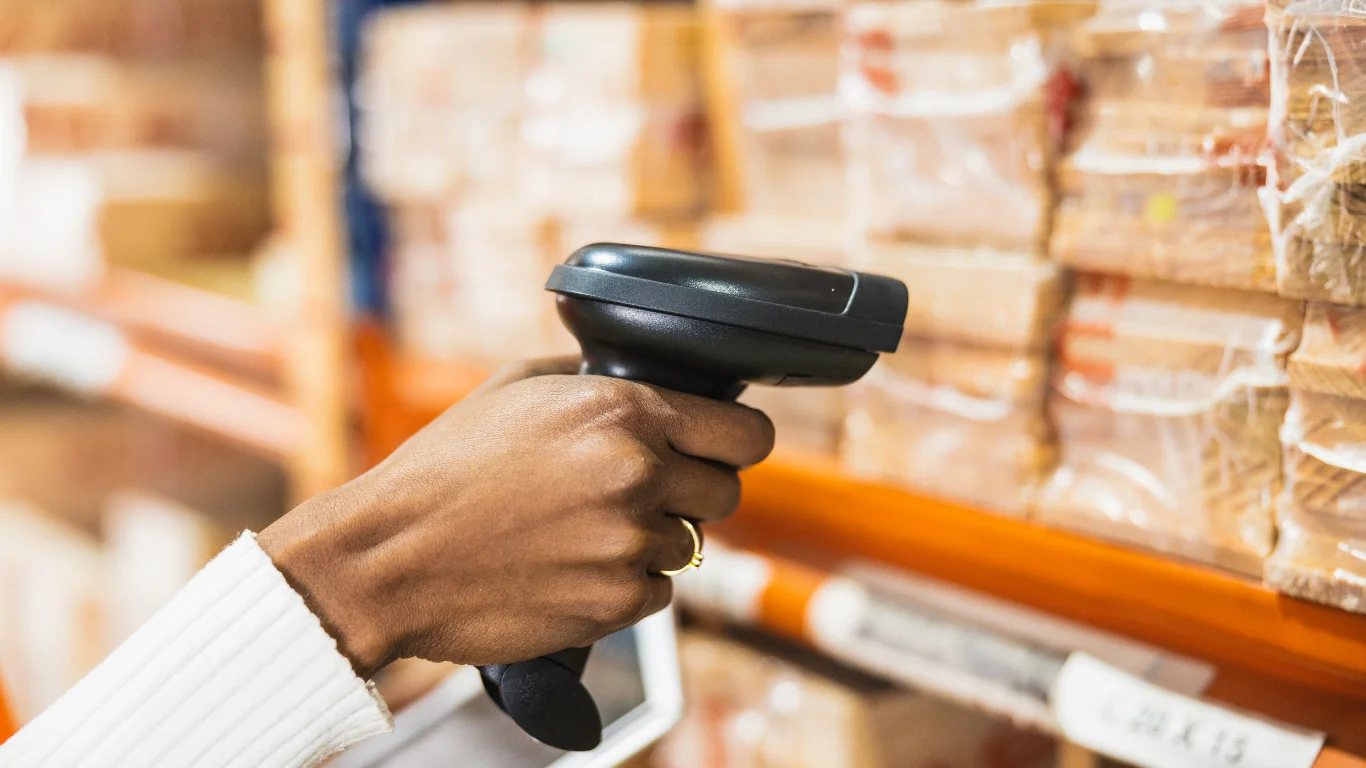
Most fulfillment operations use pick lists and barcode scanning to guide this process. A pick list tells the warehouse worker exactly which items to grab and in what quantity. Barcode scanning adds a layer of verification, so the system confirms the right product was pulled before it moves on to packing.
Efficient picking is not just about speed. It directly affects fulfillment costs and order accuracy. The faster and more accurately a warehouse can pick, the fewer errors make it into packages, and the lower the cost per order.
What Happens During the “Pack” Step?
Once items are picked, they move to packing. This step involves choosing the right packaging and protective materials to keep products safe in transit. A fragile item needs different packaging than a durable one, and getting this right reduces damage claims and returns.
Packing is also where branded packaging comes into play. Many growing brands use this moment to reinforce their identity with custom boxes, tissue paper, or inserts. It is a small touchpoint, but it can leave a lasting impression on customers.
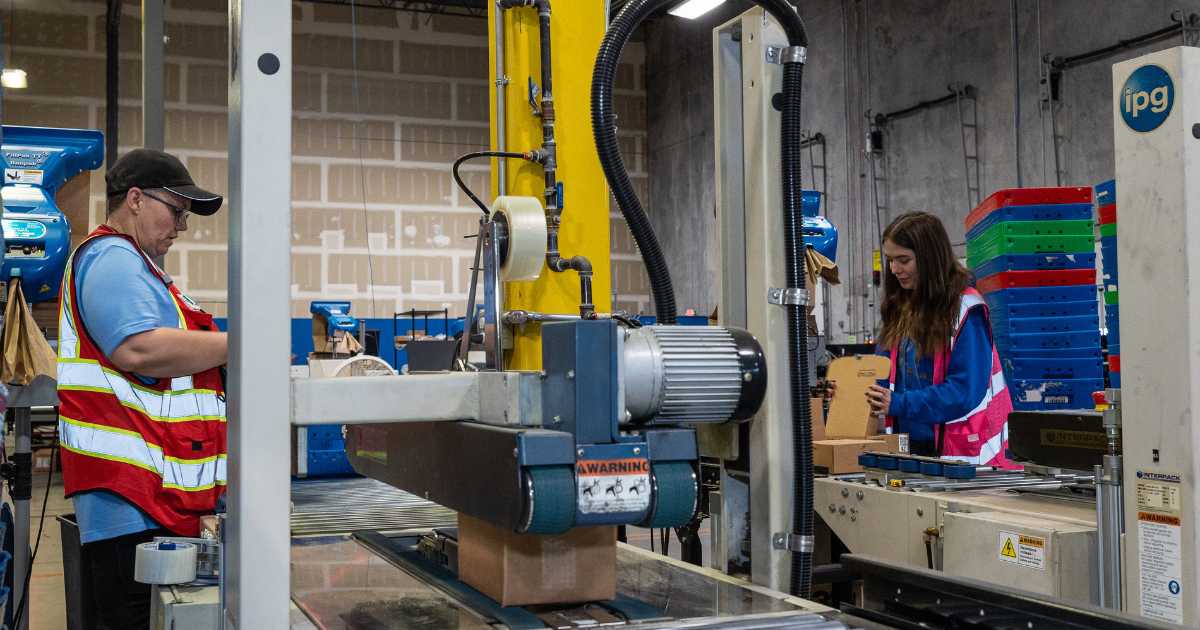
Beyond materials, the pack step includes generating shipping labels, printing packing slips, and running final quality checks. This is the last line of defense before an order leaves the building, so a good quality check process here catches mistakes before they become customer complaints.
How the Pick and Pack Process Works from Order to Delivery

The typical workflow includes order receipt, picking, packing, and shipping, with technology helping ensure accuracy and efficiency at every stage. Here is how it breaks down step by step.
Step 1: Order Receipt and Inventory Verification
When a customer places an order on your ecommerce platform, that order needs to flow into a fulfillment system quickly and accurately. Integrations between your storefront and your fulfillment technology make this handoff seamless.
Before picking even starts, inventory accuracy matters. If your system thinks you have stock that is not actually on the shelf, you end up with backorders, delays, and frustrated customers. Accurate, real-time inventory counts are the foundation everything else is built on.
Step 2: Picking Products
Warehouse teams use different picking methods depending on order volume and complexity. Common approaches include piece picking (one item at a time), batch picking (grouping similar orders together), zone picking (assigning workers to specific warehouse areas), and wave picking (releasing groups of orders at scheduled times).
The right method depends on your order volume, SKU count, and how your warehouse is laid out. A high-volume operation with repeat SKUs might lean on batch or wave picking to move faster, while a smaller operation might rely on simple piece picking.
Step 3: Packing and Quality Control
Once products are picked, packaging selection comes into play again, matched to the size, weight, and fragility of the order. Before anything ships, accuracy checks confirm the right items, in the right quantities, are going to the right customer.
This is where a lot of the “hidden” work of fulfillment happens. Good packing and quality control processes are often invisible to the customer when they work, but painfully obvious when they do not.
Step 4: Shipping and Tracking
The final step is getting the package out the door. This includes carrier selection, which can affect both cost and delivery speed, along with generating tracking numbers so customers can follow their order.
Customer tracking notifications and clear delivery expectations go a long way toward reducing “where is my order” support tickets. When customers know what to expect and can track their package in real time, satisfaction goes up and support volume goes down.
Why Growing Ecommerce Brands Use Pick and Pack Fulfillment

Efficient pick and pack operations improve speed, accuracy, and customer satisfaction while helping brands scale their fulfillment operations without scaling their headaches.
Faster Shipping and Better Customer Experience
Modern consumers expect fast shipping. A streamlined pick and pack process reduces the bottlenecks that slow orders down, which means packages leave the warehouse sooner and arrive at customers' doors faster.
Improved Accuracy and Fewer Returns
Order accuracy has a direct impact on customer satisfaction. When barcode scanning and warehouse technology are used consistently, the rate of picking errors drops significantly. Fewer wrong or missing items means fewer returns, fewer refunds, and fewer unhappy customers leaving negative reviews.
Scalability During Growth
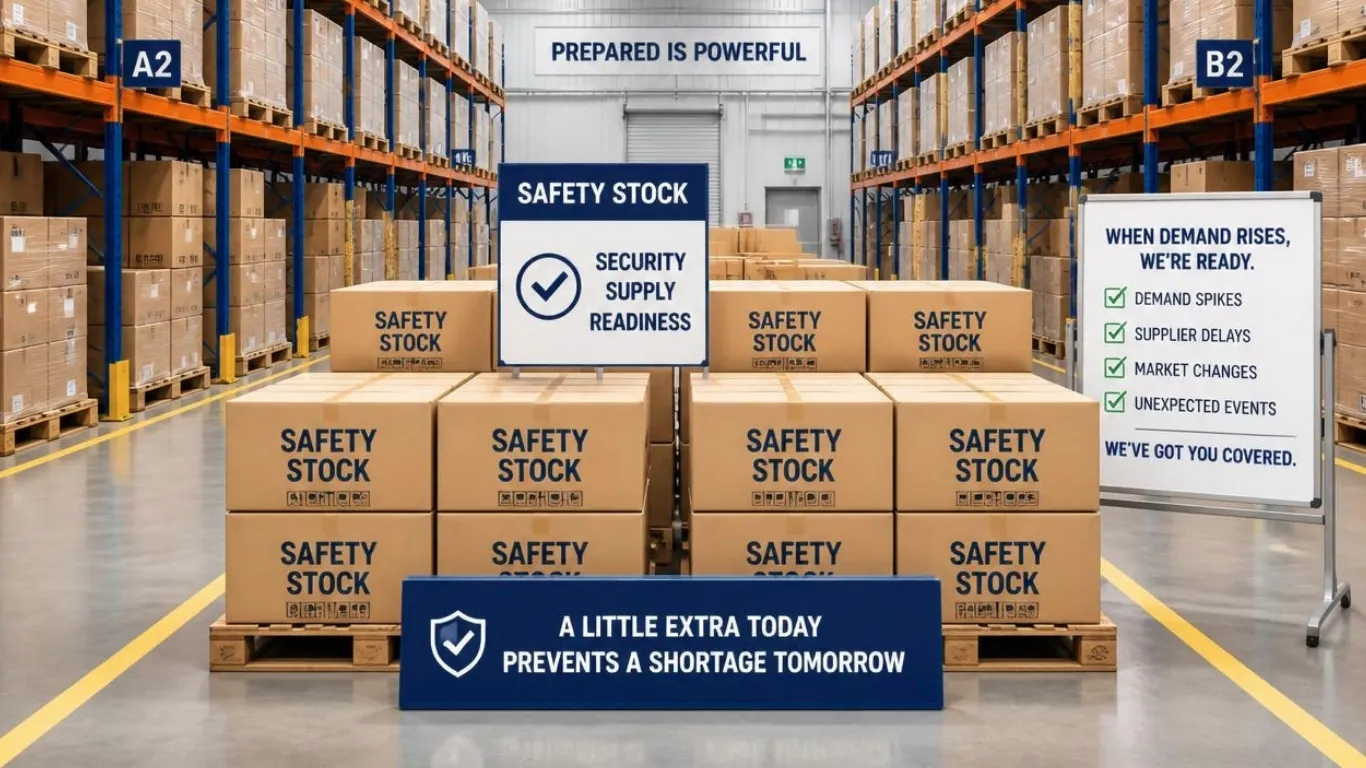
Growing brands do not have steady, predictable order volume all year long. Seasonal spikes, new product launches, and promotional campaigns can all cause sudden surges in orders. A well-built pick and pack process, especially one supported by a fulfillment partner, can flex to handle these swings without falling apart.
In-House Fulfillment vs. Outsourcing Pick and Pack Services
Many growing brands eventually outsource fulfillment to gain operational efficiency, access to technology, and shipping advantages that are difficult to achieve in-house. But that does not mean outsourcing is right for every brand at every stage.
When Self-Fulfillment Makes Sense
Early-stage brands with low order volumes often handle fulfillment themselves, and that is a reasonable choice. At low volume, self-fulfillment gives you full control over packaging, timing, and the overall customer experience. It also keeps costs simple while you are still figuring out your product-market fit.
Signs It's Time to Partner with a 3PL
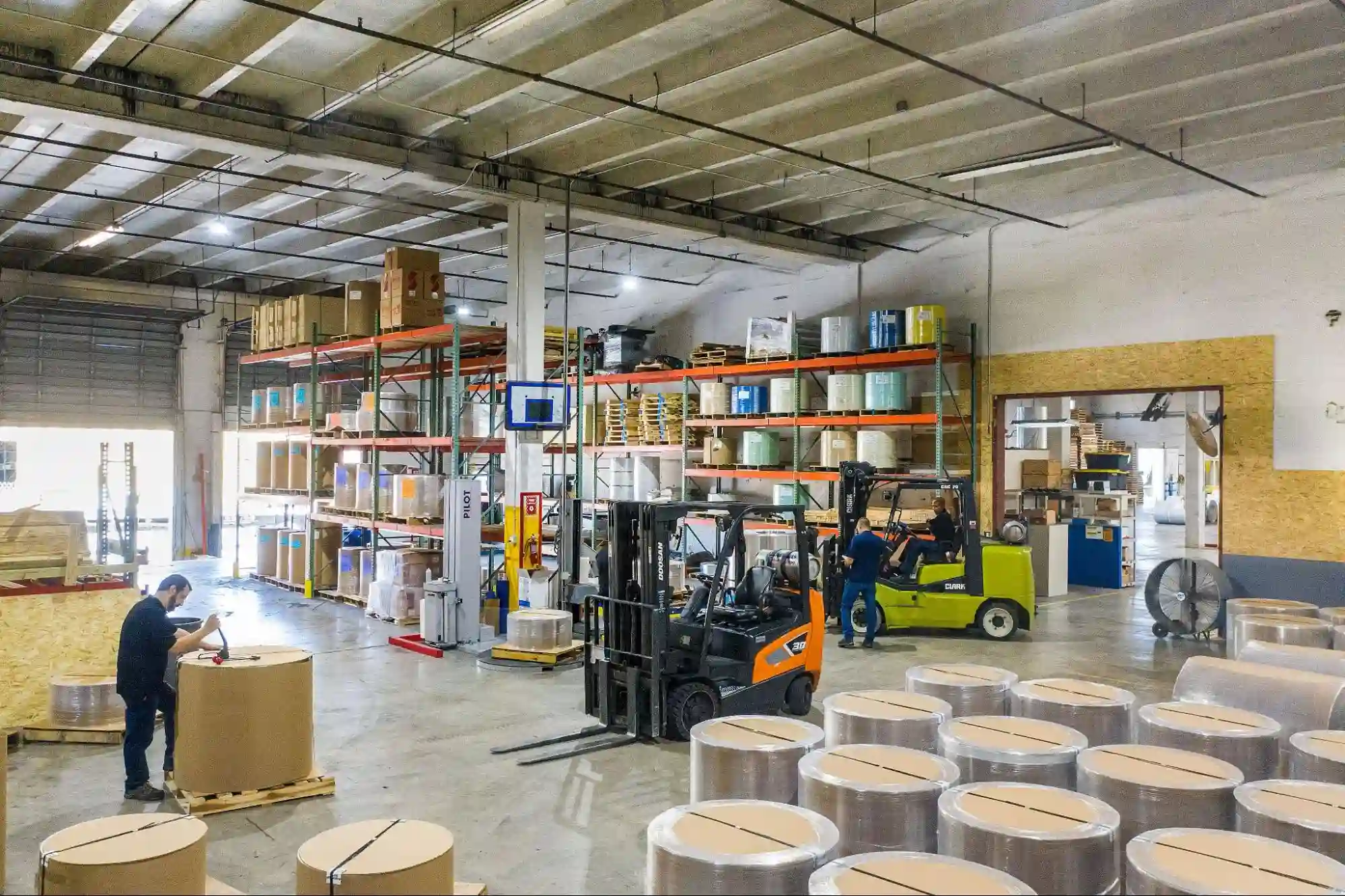
As order volume increases, the cracks in a DIY fulfillment setup start to show. Warehouse space limitations become a real constraint, and the labor and operational complexity of managing fulfillment in-house can pull focus away from growing the business itself.
If you are spending more time packing boxes than building your brand, that is usually a sign it is time to look at outsourcing.
What to Look for in a Pick and Pack Partner
Not all 3PLs are built the same. When evaluating a fulfillment partner, look closely at their technology integrations, since a poor integration between your storefront and their system can cause more problems than it solves.
Inventory visibility matters too. You should always be able to see what is in stock and where. Accuracy standards are worth asking about directly, since error rates vary widely between providers. And nationwide shipping capabilities can significantly affect how fast your packages reach customers across the country.
How Much Does Pick and Pack Fulfillment Cost?
Pick and pack pricing is typically separate from storage and shipping costs, and it can vary based on order complexity and item count.
Common Pricing Models
Most 3PLs charge using one of a few common models: per-order fees, per-item fees, or separate storage and receiving costs layered on top of pick and pack charges. Understanding which model a provider uses helps you compare quotes accurately.
Factors That Influence Cost
Several factors can move the price up or down. SKU count plays a role, since more unique products can mean more complex picking. Order complexity, packaging requirements, and shipping destinations all factor in as well. An order with multiple items and special packaging will cost more to fulfill than a single-item order in standard packaging.
Why the Cheapest Option Isn't Always the Best Value
It is tempting to pick the lowest quote on the table, but cost is only part of the equation. Accuracy and service quality directly affect customer retention. A cheap fulfillment partner that makes frequent picking errors can end up costing you more in refunds, replacements, and lost customers than a slightly pricier partner with a strong track record.
Long-term scalability matters too. A provider that is cheap today but cannot support your growth next year is not actually the best value.
The Bottom Line

Pick and pack fulfillment covers everything from selecting the right products off the shelf to getting them safely into a customer's hands. Whether you handle it in-house or partner with a 3PL, getting this process right directly affects your shipping speed, order accuracy, and customer satisfaction. As your order volume grows, it is worth regularly reassessing whether your current setup is still the right fit for where your business is headed. If you are ready to outsource your fulfillment, contact us today.
FAQs
What is pick and pack fulfillment?
Pick and pack fulfillment is the process of selecting products from inventory, packaging them, and preparing them for shipment after a customer places an order.
Is pick and pack fulfillment only for ecommerce businesses?
No. While it is common in ecommerce, pick and pack services also support subscription boxes, retail distribution, promotional campaigns, and B2B fulfillment.
When should a business outsource pick and pack fulfillment?
Brands often consider outsourcing when order volume increases, fulfillment becomes too time-consuming, warehouse space runs out, or customer expectations for fast delivery grow beyond what an in-house setup can support.