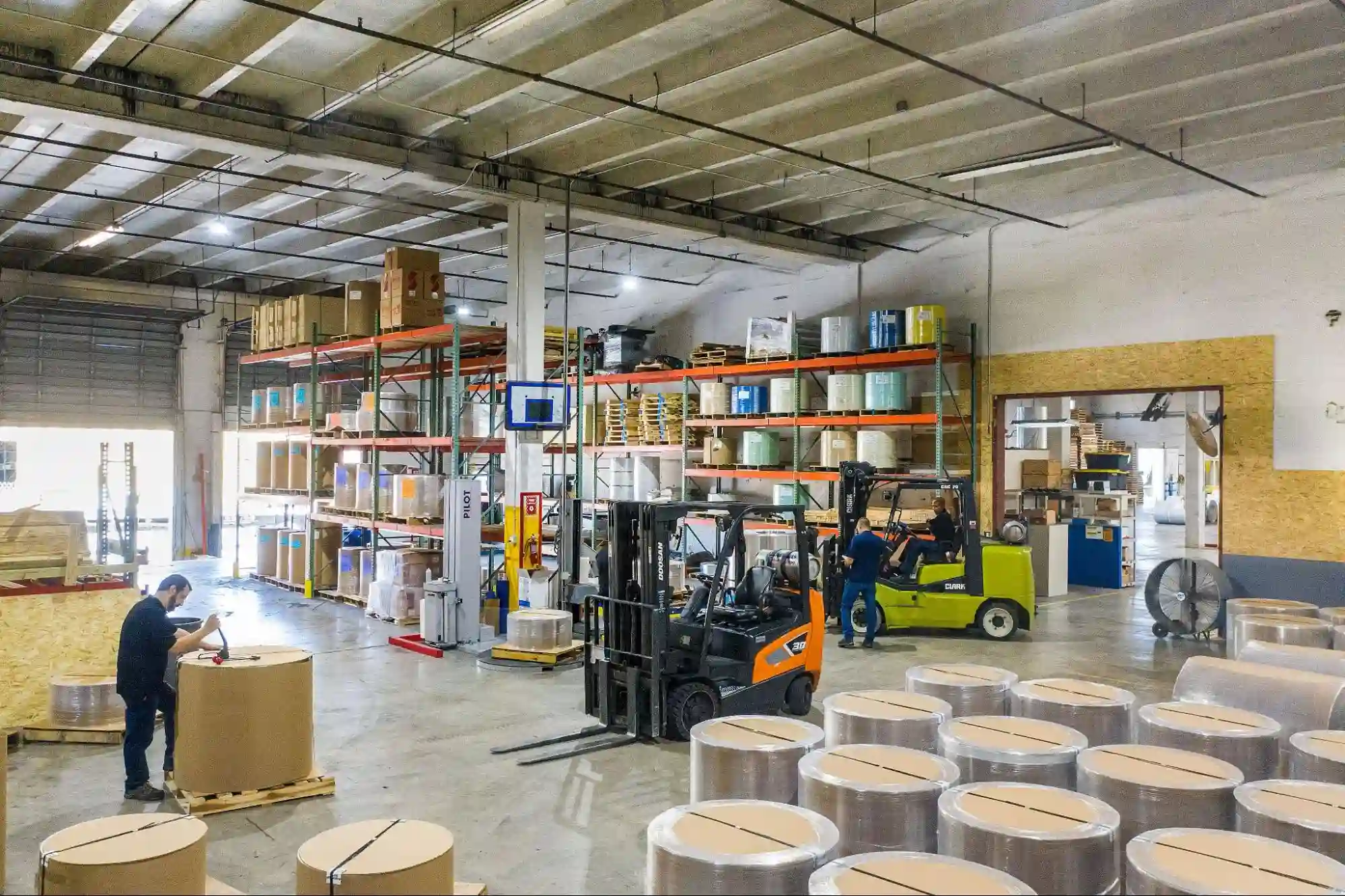


We have all seen that dreaded notification when shopping online. You find the perfect product, add it to your cart, and suddenly realize it will not ship for another three weeks. As a fulfillment partner, you know exactly what is happening behind the scenes when a shopper sees this message.
But what does backordered mean from an operational standpoint? Simply put, a backordered item is a product that is currently out of stock but will be restocked and shipped once it becomes available. The customer can still buy the item, but they must wait longer than usual to receive it.
Handling backordered items effectively is a major part of order management. If you manage an e-commerce warehouse, you know that keeping products moving smoothly keeps shoppers happy. When inventory levels drop to zero, you have to decide whether to list an item as "out of stock" or put it on backorder.
Allowing customers to place backorders helps businesses capture revenue they might otherwise lose. However, managing backorders properly requires careful planning and precise inventory management. Let's dive into how these systems function and explore the best ways to keep your supply chain running without a hitch.
How do Backorders Work?
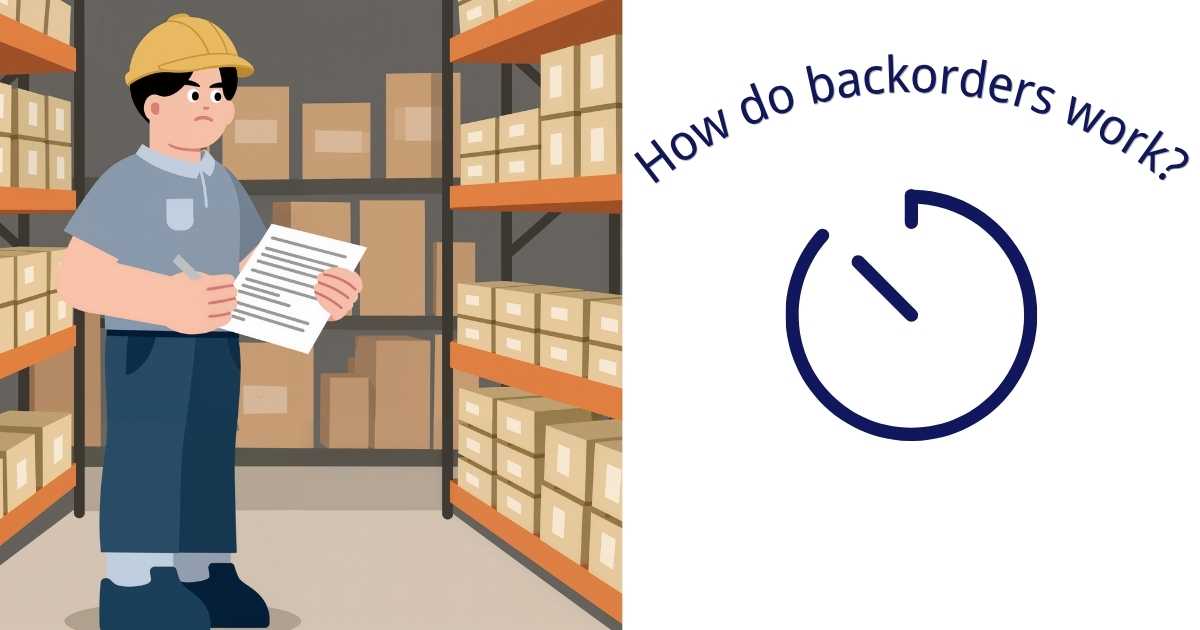
Understanding how backorders function is the first step to mastering your operations. When a customer orders a backordered item, your system accepts the payment and creates a pending order. The fulfillment center holds this ticket until the new stock arrives from the supplier.
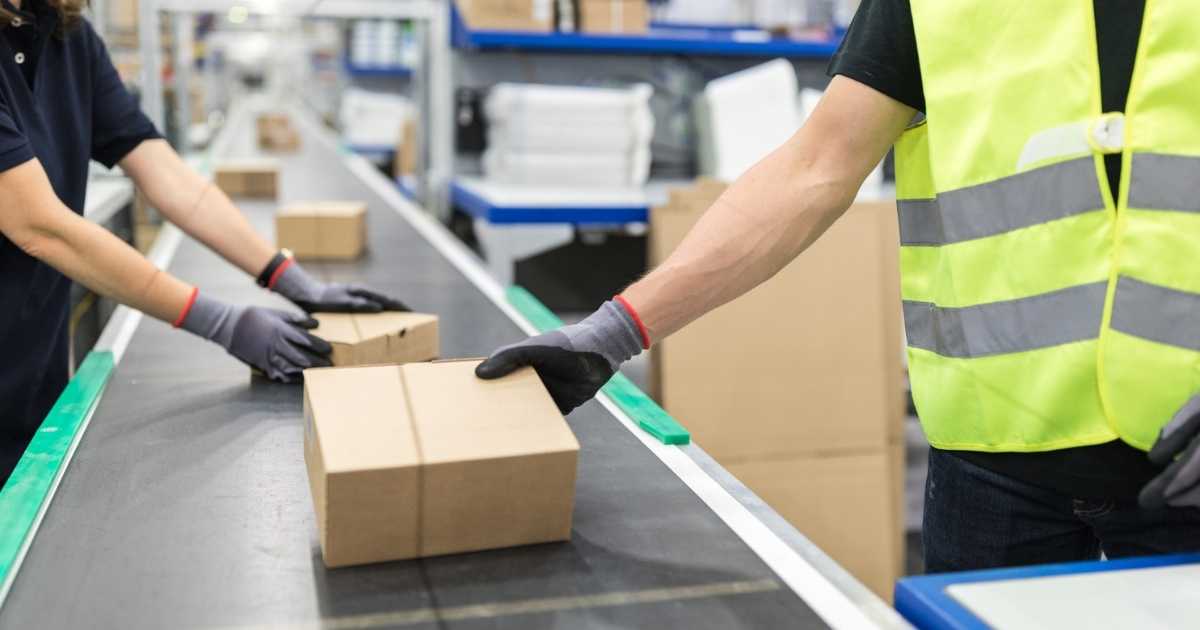
Once the warehouse receives the new inventory, workers quickly pick, pack, and ship the delayed order. This workflow requires seamless communication between your storefront, your warehouse, and your buyers. If any link in this chain breaks, you risk frustrating the buyer and losing future sales.
Role in Supply Chain Management
Backorders act as a pressure valve for the broader supply chain. They allow retailers to keep selling goods even when manufacturing delays or shipping bottlenecks slow down the flow of products. As a fulfillment partner, managing backorders correctly ensures that goods keep moving the moment they hit your loading dock.
By accepting orders for out-of-stock items, companies can gauge actual customer demand before producing or ordering more units. This approach helps manufacturers prioritize which products need immediate attention on the assembly line. It also keeps cash flowing through the supply chain while suppliers work to fulfill their obligations.
Inventory Management Processes
Good inventory management acts as the foundation for handling backorders. You need a clear view of what you have in the warehouse, what is currently in transit, and what customers have already purchased. When an item goes on backorder, your system must automatically reserve incoming stock for those specific buyers.
Without strict inventory controls, you might accidentally sell the same incoming item twice. You must also track safety stock levels to prevent backorders from happening in the first place. When your software flags low inventory, it should trigger an automatic reorder long before the bin sits empty.
Causes of Backorders
Several factors can force a product into backorder status. Unexpected spikes in customer demand are one of the most common culprits. If an influencer features a product on social media, sales can skyrocket and drain your warehouse in hours.
Supply chain disruptions also play a massive role in stock shortages. Delayed shipping containers, raw material shortages, and bad weather can easily stall production. When suppliers fail to deliver on time, your inventory buffer disappears, leaving you to handle the incoming rush of delayed orders.
What are the Advantages and Disadvantages of Backorders?

Offering backorders provides a mixed bag of results for e-commerce businesses and fulfillment centers. On one hand, you keep the sales engine running when inventory runs dry. On the other hand, you take on new risks and operational challenges.
Understanding both sides of the coin helps fulfillment partners make smart choices about order management. You have to weigh the financial benefits against the potential strain on your customer support team. Let's look closely at the pros and cons of allowing customers to buy out-of-stock products.
Advantages
Selling products you do not physically possess might sound risky, but it offers several strong benefits. Many thriving brands use backordering as a core part of their growth strategy. Here are a few ways this practice can help a business succeed.
Maintaining Sales Opportunities
The biggest perk of backordering is that you never miss a sale. When a shopper finds exactly what they want, telling them "out of stock" usually sends them straight to a competitor. Allowing them to reserve the item keeps that revenue inside your business.
Even if the buyer has to wait, securing their payment upfront guarantees the sale. This strategy proves especially useful for high-ticket items or highly anticipated product launches. Capturing the sale immediately improves your bottom line and funds the purchase of new inventory.
Enhancing Customer Loyalty
Transparency builds deep trust with buyers. When you clearly explain that an item is on backorder and provide an accurate shipping date, shoppers appreciate the honesty. Delivering the product exactly when you promised proves your brand is reliable.
Customers often feel a sense of exclusivity when they secure a popular, hard-to-find item. Providing excellent communication during the waiting period turns a potentially negative experience into a positive one. A shopper who feels valued while waiting will likely return to your store again.
Better Inventory Forecasting
Backorders give you concrete data on customer demand without the need to guess. Instead of hoping a new product will sell, you can base your purchasing decisions on real, paid orders. This eliminates the risk of buying too much stock and paying high storage fees.
Fulfillment partners can use this demand data to optimize warehouse space. If you know exactly how many units are already sold, you can move them directly from the receiving dock to the packing station. This cross-docking technique saves time and keeps warehouse shelves clear for other goods.
Disadvantages
While the benefits are clear, managing backorders can easily create headaches for your operations team. Selling items you do not have introduces several moving parts that can break down. You must carefully consider these drawbacks before implementing a backorder strategy.
Potential Customer Dissatisfaction
No matter how well you communicate, some shoppers hate waiting. A long delay can frustrate buyers, leading to negative reviews and angry emails. If your supplier pushes the delivery date back, you have to pass that bad news along to the customer.
Repeated delays often result in canceled orders and chargebacks. If a customer feels misled about the timeline, they might never shop with your brand again. You have to balance the desire to capture a sale with the risk of damaging your brand's reputation.
Increased Administrative Workload
Handling backordered items requires extra effort from your customer service and fulfillment teams. Your support staff must field questions about shipping dates and handle refund requests. The warehouse team has to separate backorders from regular orders, complicating the standard workflow.
When the new stock finally arrives, your workers must prioritize the oldest orders first. This disrupts the normal first-in, first-out picking process. The longer a backorder sits in your system, the more administrative time it consumes.
Delayed Revenue Recognition
Accounting rules can complicate how you handle money from backorders. Depending on your financial structure, you may not be able to recognize the revenue until the item actually ships. This can create a mismatch between your cash flow and your reported income.
Refunds also create financial friction. If a delayed shipment forces a mass cancellation, you have to return the funds you previously collected. Processing these returns costs time and cuts into your overall profitability.
Strategies to Minimize Backorders

While occasional stockouts happen, your goal should be to keep them rare. Managing backorders takes effort, so avoiding them altogether saves your team valuable time. Smart fulfillment partners rely on proven tactics to keep their shelves stocked and orders flowing.
By taking a proactive approach, you can spot potential shortages before they impact your buyers. You need a mix of good data, strong partnerships, and clever warehousing techniques. Let's explore how you can minimize backorders and run a tighter ship.
Demand Forecasting
Predicting what your buyers will want is the best way to prevent stockouts. Demand forecasting uses historical sales data, market trends, and seasonal patterns to estimate future sales. By analyzing past performance, you can order enough stock to meet the expected rush.
A good forecast considers marketing campaigns, upcoming holidays, and overall economic conditions. If your brand plans to run a massive summer sale, your forecasting models should trigger larger purchase orders weeks in advance. Accurate predictions allow you to align your inventory levels directly with customer demand.
Supplier Relationship Management
Your fulfillment speed relies entirely on your suppliers' ability to deliver. Building strong relationships with manufacturers helps you avoid unexpected delays. When you communicate openly with your suppliers, they can give you honest updates about their production schedules.
Consider diversifying your supplier base to protect your supply chain. If your primary manufacturer faces a material shortage, having a backup vendor ensures you still receive goods. Negotiating better lead times and prioritizing clear communication keeps your warehouse full and your buyers happy.
Inventory Buffer Strategies
Holding a little extra stock provides a safety net when demand spikes or shipments run late. We call this extra inventory "safety stock." Calculating the right amount of safety stock prevents sudden stockouts without tying up too much capital.
You must find the sweet spot between running out of goods and paying for unnecessary warehouse space. Reorder point formulas help you determine exactly when to purchase new inventory based on your lead times and daily sales. By maintaining a sensible buffer, you protect your business from the unpredictable nature of e-commerce.
How to Leverage Technology for Backorders
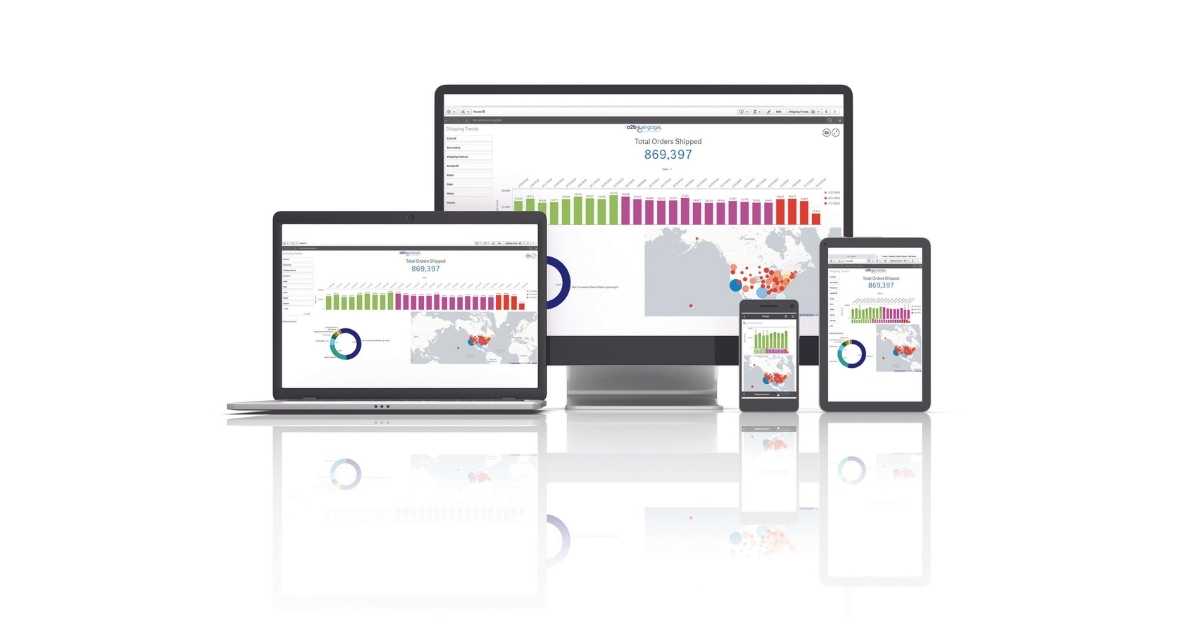
Modern fulfillment operations move too fast for manual spreadsheets. You need robust technology to track moving parts, update buyers, and manage complex workflows. Software tools automate the heavy lifting, allowing your team to focus on strategy and problem-solving.
Investing in the right tech stack turns order management from a chaotic chore into a streamlined process. From warehouse scanners to automated emails, technology bridges the gap between your inventory and your customers. Let's look at the specific tools you need to handle backorders like a professional.
Inventory Management Systems
A powerful inventory management system acts as the brain of your warehouse. This software tracks every single item from the moment it arrives until it ships out the door. It gives you real-time visibility into your stock levels, ensuring you never sell items you cannot secure.
When an item drops to zero, the system automatically flags the product and updates your storefront. It reserves incoming stock for existing backorders, preventing new buyers from skipping the line. Good inventory software completely removes the guesswork from managing backorders.
Automated Notifications and Updates
Communication is the most important part of keeping backorder customers happy. You cannot expect your support team to manually email every buyer when an update occurs. Automated notification tools send immediate alerts when an order is delayed, when stock arrives, and when the package finally ships.
You can set these tools to provide weekly updates, reassuring the buyer that you have not forgotten them. If a supplier delays a shipment, the system can automatically blast a revised timeline to all affected shoppers. Proactive automated messages stop support tickets before they happen.
Advanced Analytics and Data Monitoring
Data holds the key to improving your fulfillment operations over time. Advanced analytics tools monitor your entire supply chain, identifying bottlenecks and tracking vendor performance. These dashboards show you exactly which products frequently go on backorder and how long they take to restock.
By analyzing this data, you can adjust your safety stock levels and refine your reorder points. You can also spot underperforming suppliers who consistently cause delays. Data monitoring helps you make objective, confident decisions to minimize backorders in the future.
Conclusion
Understanding "what does backordered mean" is just the beginning of running a successful fulfillment operation. A backorder simply indicates a temporary pause in inventory, but how you handle that pause dictates your success. By managing backorders effectively, you capture more revenue, build customer loyalty, and keep your supply chain moving.
You must balance the benefits of securing sales against the risks of frustrating your buyers. Relying on strong demand forecasting, excellent supplier relationships, and smart safety stock practices will minimize your stockouts. When delays do happen, leaning on powerful inventory technology ensures your team can handle the pressure.
Managing inventory effectively requires the right partnerships and the right expertise. If you want to optimize your fulfillment strategy and eliminate inventory headaches, we are here to help. Contact us today to learn more about our tailored order management solutions and keep your customers smiling!
About a2b Fulfillment
a2b Fulfillment is a leader in third-party logistics, dedicated to helping businesses streamline their order management, reduce backorders, and enhance customer satisfaction. With decades of experience, a2b offers a full suite of fulfillment services, including inventory management, pick and pack, shipping, returns processing, and advanced technology integrations.
Our team understands the challenges of modern supply chains and specializes in building solutions that keep your products moving—even when demand surges or disruptions occur. We leverage real-time data, robust inventory controls, and proactive communication tools to minimize backorders and ensure a positive customer experience.
Partnering with a2b Fulfillment means you get more than a service provider; you gain a team committed to your growth and operational excellence. If you're ready to improve efficiency, transparency, and reliability in your fulfillment process, contact a2b Fulfillment today. Let us help you turn logistics challenges into opportunities for success.