

If you sell on Amazon, your margins just took another hit. Amazon recently added a 3.5% fuel and logistics surcharge.
It applies to sellers using Fulfillment by Amazon (FBA) in the United States and Canada. Driven by global tensions and rising oil prices, this new fee adds pressure to businesses with tight budgets.
When fulfillment costs rise unexpectedly, you have to make tough choices. Do you absorb the extra expense, or do you pass it on to your customers? Neither option feels like a win.
This post breaks down exactly what the new FBA surcharge means for your eCommerce business. We will explore the challenges this poses for sellers and show you how partnering with an independent logistics provider like a2b Fulfillment offers a more stable, transparent path forward.
Table of Contents
- What the New Amazon FBA Surcharge Means for Sellers
- Why Fuel Surcharges Belong on Shipping Costs, Not Fulfillment
- The Advantages of Outsourcing to a2b Fulfillment
- Protecting Your Profitability in a Tough Economy
- Take Control of Your Fulfillment Costs Today
What the New Amazon FBA Surcharge Means for Sellers

The recent announcement from Amazon caught many sellers off guard. The 3.5% surcharge applies directly to fulfillment fees, adding an average of $0.17 per unit to your costs. While seventeen cents might sound small on its own, it multiplies rapidly when you move thousands of units a month.
What the New Amazon FBA Surcharge Means for Sellers
The recent announcement from Amazon caught many sellers off guard. The 3.5% surcharge applies directly to the FBA fulfillment fee, adding an average of $0.17 per unit to your FBA costs. While seventeen cents might sound small on its own, it multiplies rapidly when you move thousands of units a month.
Rising Costs Eat into Tight Margins
eCommerce is a highly competitive space where every penny matters. You already spend a significant portion of your revenue on advertising, storage costs, and FBA fees, including the low inventory level fee. Adding a blanket 3.5% surcharge to your fulfillment fees directly impacts your bottom line.
Amazon points to industry-wide cost pressures and volatile energy markets as the reasons behind the fee. While it is true that oil prices affect the entire supply chain, passing those massive infrastructure costs directly to third-party sellers forces you to pay for a problem you did not create. For smaller brands, this sudden increase can mean the difference between a profitable quarter and operating at a loss.
The Pressure on Pricing
When operating costs go up, you must find a way to balance the books. Many sellers feel forced to raise their retail prices to cover the new Amazon surcharge. However, increasing prices comes with their own set of risks.
Shoppers are highly sensitive to price changes. If you raise prices, you may lose your competitive edge. You could lose your Buy Box spot. Loyal customers may switch to cheaper options.
On the flip side, if you keep your prices the same and absorb the surcharge, you lose margin that you could have invested in product development, marketing, or inventory expansion. It puts you in a difficult position, stifling business growth.
Why Fuel Surcharges Belong on Shipping Costs, Not Fulfillment
Let us look at how logistics billing actually works. Fuel surcharges are a standard reality in the shipping industry. When diesel prices spike, major carriers adjust their fuel surcharges to cover the physical cost of moving trucks and airplanes across the country. This makes logical sense. Shipping is fundamentally tied to fuel consumption.
Fulfillment, however, is a different story. The main fulfillment tasks happen inside a warehouse. These tasks include receiving inventory, picking products from shelves, packing boxes based on dimensional weight, and printing labels. These activities rely on labor, technology, and facility management.
When a provider adds a ‘logistics-related surcharge’ to your base fulfillment and pick-and-pack fees, they blur the line between shipping and packing. A fair and transparent logistics partner keeps these costs separate. You should absolutely expect shipping fuel surcharges, since transit requires fuel. But you should not have to pay a fuel surcharge just to have an employee tape your box shut.
The Advantages of Outsourcing to a2b Fulfillment

If the new Amazon FBA fees have you questioning your fulfillment strategy, now is the perfect time to look at alternative solutions. Outsourcing your logistics to an independent third-party logistics (3PL) provider like a2b Fulfillment helps you regain control over your operations and your budget.
Zero Fulfillment Fuel Surcharges
At a2b Fulfillment, we believe in fair and transparent billing. We do not apply fuel surcharges to our fulfillment services. While our shipping rates do include standard carrier fuel surcharges, because actual transit requires fuel, our pick, pack, and storage fees remain completely separate from rising fuel costs.
When you partner with us, you pay for the warehouse labor and technology you actually use. You do not subsidize a massive fulfillment network every time oil prices fluctuate. This clear separation of costs protects your margins and makes budgeting much easier.
True Cost Transparency
Unexpected fees make it impossible to forecast your business growth. a2b Fulfillment operates with strict cost transparency. We provide a clear, straightforward fee structure so you know exactly what it costs to store, pick, pack, and ship your products.
You will not wake up to surprise platform announcements eating into your profits. We assign dedicated account managers who work directly with you to optimize your supply chain, find cost savings, and plan for seasonal spikes. When you know exactly what your logistics cost, you can set your retail prices confidently and build a sustainable business model.
Reliable Operations in Volatile Times
Economic conditions change constantly, but your fulfillment partner should be an anchor of stability. a2b Fulfillment leverages multiple warehouse locations to place your inventory closer to your customers. This strategic distribution reduces the actual transit distance for your packages, which naturally lowers the impact of carrier shipping fuel surcharges.
Our advanced order management systems route your packages through the most cost-effective carriers for every single order. By continuously analyzing shipping zones, transit times, and carrier rates, we ensure your customers get their orders quickly without overspending on freight.
Protecting Your Profitability in a Tough Economy
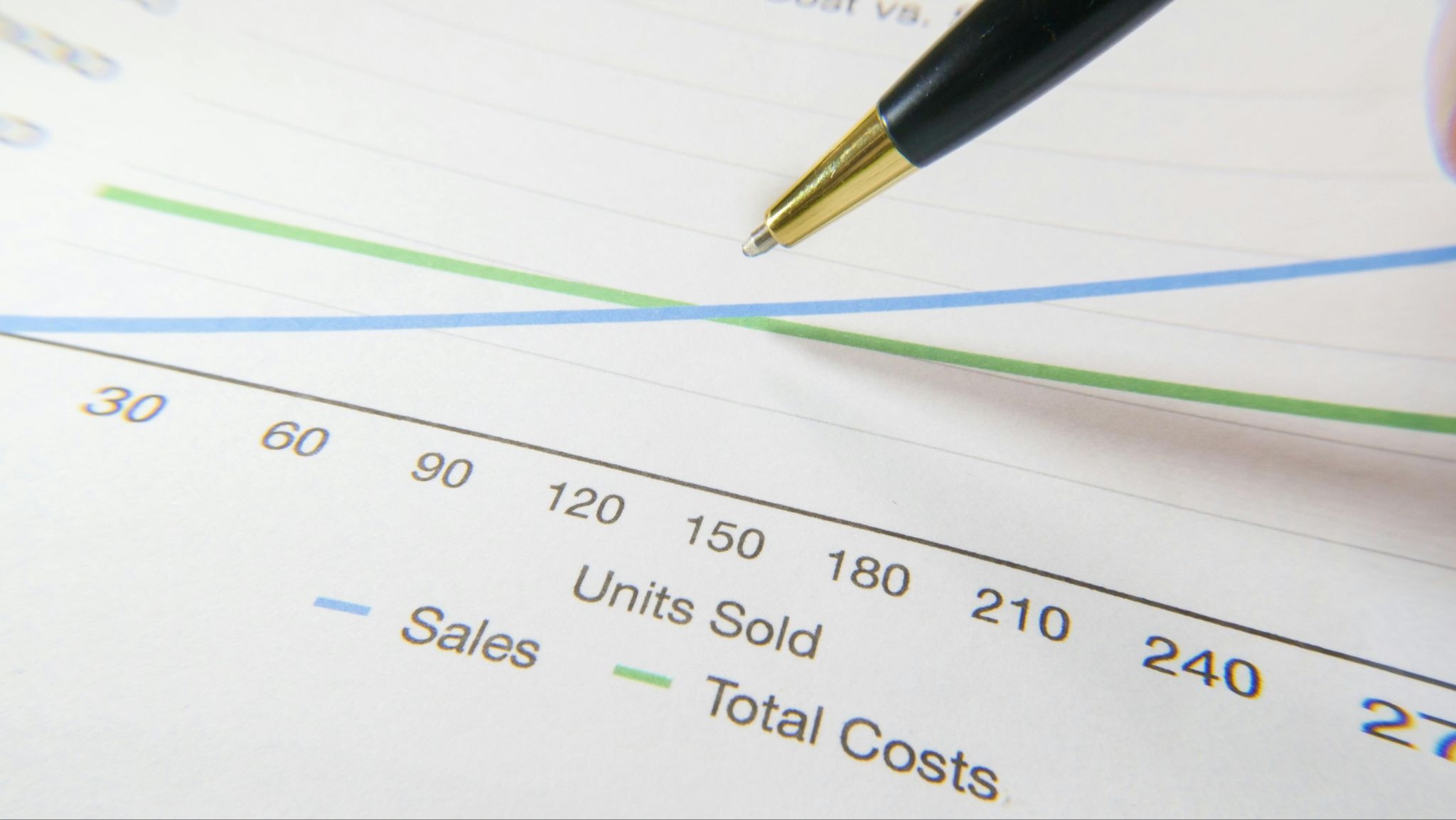
Your brand deserves a fulfillment partner that actively helps you grow, rather than one that treats you as a buffer for their own rising expenses. Relying entirely on a single platform for both sales and logistics leaves you vulnerable to sweeping policy changes and sudden fee hikes.
Diversifying your fulfillment strategy gives you back your leverage. By moving some or all of your FBA inventory to an independent 3PL, you insulate your business from unilateral platform decisions. You can fulfill orders across many sales channels, like your Shopify store, retail partners, and marketplaces.
You do it with a single shared inventory pool.
When you take control of your logistics, you stop reacting to unexpected surcharges and start building a resilient, profitable operation.
Take Control of Your Fulfillment Costs Today
Do not let surprise platform fees dictate your business success. If you want to protect your margins, maintain competitive pricing, and scale your brand with confidence, you need a logistics partner that values transparency as much as you do.
a2b Fulfillment offers the reliability, technology, and fair pricing structure you need to thrive. We handle the heavy lifting of warehouse operations so you can focus on designing great products and growing your customer base.
Ready to escape the cycle of hidden additional fees and unexpected surcharges? Contact a2b Fulfillment today to learn more about our transparent pricing and discover how we can help your business reach its full potential.