

A new research note from UBS analysts is turning heads across the retail industry: over the next five years, more than 40,000 brick-and-mortar stores in the United States could close. That headline number is striking, but the story behind it is more nuanced and more instructive than a simple tale of retail collapse.
Understanding why retail store closures are rising in 2026 is vital for any brand or retailer.
It helps them make smart choices about stores, e-commerce plans, and fulfillment systems.
Why Are So Many Retail Stores Closing in 2026?

Multiple pressures have come together. These include steady growth in e-commerce and AI-driven shopping. They also include tariff-related cost increases and demographic shifts. No single factor is solely responsible, but together they are forcing a reckoning across the retail sector.
From the third quarter of 2024 to the same period in 2025, the U.S. lost 5,000 net stores, a meaningful reversal from years when openings outpaced closures. By that time, the country had fewer than 3 stores per 1,000 residents, representing about a 12% drop compared with levels recorded in 2003. The sector is contracting, and UBS analysts believe it has not yet reached equilibrium.
E-Commerce Growth Is Not Slowing Down
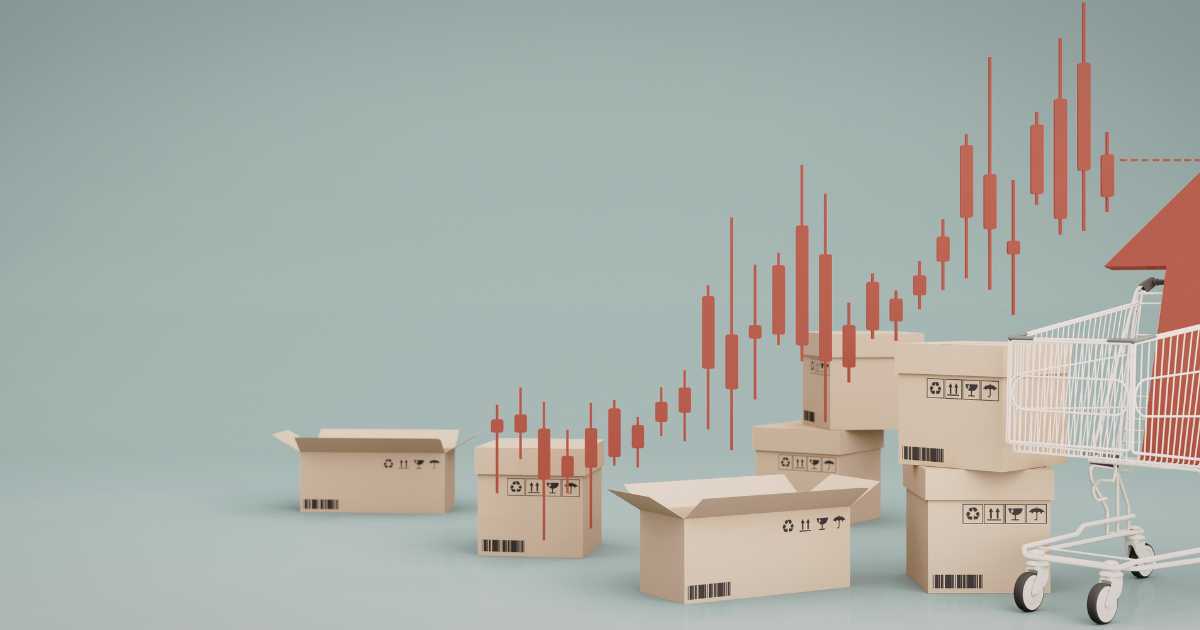
E-commerce sales now make up over 20% of all retail sales in the U.S. That is nearly double the share they held in 2019, when e-commerce represented just over 10% of the market. UBS projects that figure will climb to 27% by 2030.
For years, some observers believed the disruption from e-commerce had peaked. Analysts from firms like Colliers have suggested the impact on physical retail has stabilized. But the UBS data tells a more complicated story: the combination of growing online shopping and AI-powered tools continues to shift consumer behavior, and physical store fleets built for an older retail model are struggling to keep pace.
Not All Physical Retail Is in Trouble
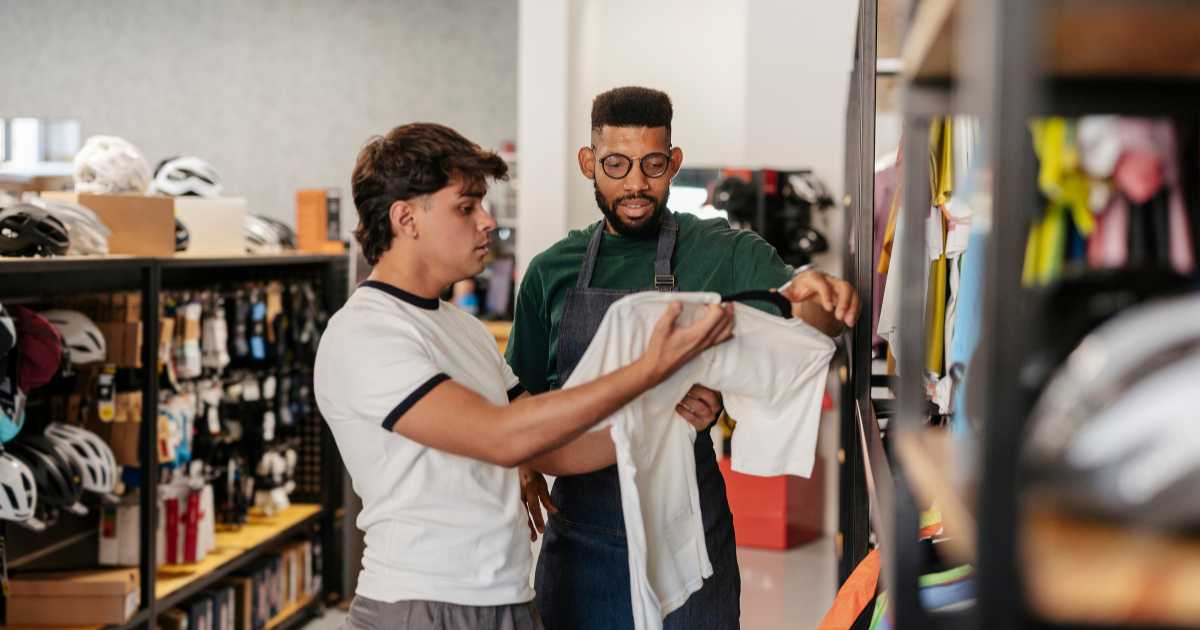
It would be a mistake to read this as a death sentence for brick-and-mortar retail. The UBS analysts are clear that the picture is uneven. Department stores and specialty retailers carry the most risk, while off-price retailers are expected to keep expanding. Large chains like Walmart, Costco, and Target are positioned to benefit from consolidation, while smaller and independent retailers face the steepest headwinds.
Physical stores remain a critical component of omnichannel retail, particularly as fulfillment hubs for delivery and pickup. That function is not disappearing. If anything, it is becoming increasingly important as consumers expect faster, more flexible order fulfillment options.
Research from WD Partners has consistently found that consumers will choose physical stores when those locations offer sensory experiences and customer service that online shopping cannot replicate. Separately, Placer.ai has found that many retailers are actually under-leveraging their stores despite shoppers showing a clear preference for in-person discovery, the ability to see products before buying, and the experience of browsing itself.
The problem, in many cases, is not that stores exist. It is that too many stores exist in formats that are no longer worth the trip.
Tariffs and Policy Pressures Are Accelerating Retail Store Closures
Beyond e-commerce, the UBS analysis identifies several macro forces compounding the pressure on physical retail in 2026.
Current U.S. trade and immigration policies add significant uncertainty. UBS estimates that sustained tariffs could cause retail sales to fall by approximately 0.5% annually, as retailers absorb around $100 billion in increased costs. A third of U.S. households earn less than $50,000 per year, making those consumers especially vulnerable to price increases passed down the supply chain. If lower-income households cut discretionary spending, marginal retailers will feel it first and hardest.
Immigration policy is also a factor. A shrinking or stagnant population would reduce overall consumer demand. UBS modeled a scenario in which population decline drives nearly 70,000 store closures, illustrating how sensitive store viability is to shifts in the underlying customer base.
Which Retailers Are Most at Risk of Closing?
According to UBS, department stores and specialty retailers face the greatest exposure to closures in the next five years. These formats are caught between two forces: e-commerce competitors who can offer a broader selection at lower prices, and off-price or value retailers who can win on cost. Specialty retailers that have not differentiated their in-store experience or built strong direct-to-consumer channels are particularly vulnerable.
Small and independent retailers face structural disadvantages as well. Without the purchasing power, logistics networks, or marketing budgets of large chains, they have less ability to absorb tariff-driven cost increases or invest in the technology needed to compete in an AI-influenced shopping environment.
What This Means for Retail Fulfillment Strategy
The UBS analysts put it plainly: the retail sector has excess store capacity, and the shakeout will reward better-positioned retailers while penalizing weaker ones. Speed, location, product assortment, shopping experience, and price are all becoming sharper differentiators. Consumers are also continuing to prioritize experiences over goods, a trend that has reshaped spending patterns across demographics.
For retailers navigating this environment, fulfillment strategy is no longer a back-office consideration. It is central to competitiveness. A few questions worth examining:
Are your stores doing things your website cannot? If a location is serving as a showroom for products that customers could just as easily order online, it needs to offer something more, whether that is knowledgeable staff, immersive product experiences, or fast and convenient fulfillment options.
Is your fulfillment infrastructure keeping pace with expectations? As the line between online and in-store shopping continues to blur, the ability to fulfill orders quickly and accurately, whether through ship-from-store, buy-online-pickup-in-store, or direct-to-consumer channels, is no longer optional.
Are you watching your cost structure closely? Tariff-driven cost increases are real, and passing them along to price-sensitive consumers has limits. Retailers who can operate leanly and fulfill efficiently will have more room to absorb those pressures.
The Opportunity in Retail Disruption
A period of industry-wide contraction always creates opportunity for those who are well-positioned. As weaker retailers exit, customer demand does not disappear. It migrates. The brands and retailers that invest now in operational efficiency, customer experience, and flexible fulfillment infrastructure will be better placed to capture that migration.
The 40,000 retail store closures that UBS projects are not necessarily evidence that retail is dying. They are evidence that retail is consolidating around models that work. The question for any retailer is whether their model is one of them.
About a2b

At a2b Fulfillment, we work with brands and retailers who are navigating exactly this kind of shift. As businesses rethink their physical footprints and lean harder into direct-to-consumer and e-commerce channels, the demands on fulfillment operations grow more complex.
Accurate, fast, scalable order fulfillment is no longer a back-office function. It is a competitive differentiator. a2b partners with growing brands to ensure their logistics infrastructure can keep pace with where retail is heading, not just where it has been.
Frequently Asked Questions About Retail Store Closures in 2026
How many retail stores are expected to close in the next five years?
UBS analysts project that more than 40,000 retail stores could close in the United States between now and 2030, driven by e-commerce growth, AI-assisted shopping, tariff pressures, and demographic changes.
Which types of stores are closing the most?
Department stores and specialty retailers face the highest risk of closure. Off-price retailers and large-format chains like Walmart, Costco and Target are expected to remain stable or grow.
Is e-commerce causing retail store closures?
E-commerce is a significant factor. Online sales grew from just over 10% of U.S. retail in 2019 to more than 20% in 2026, and UBS projects the share will reach 27% by 2030. AI-powered shopping tools are accelerating this shift.
How are tariffs affecting retail store closures?
UBS estimates that sustained tariffs could reduce retail sales by roughly 0.5% annually as retailers absorb approximately $100 billion in added costs. Lower-income households, who represent a large portion of retail consumers, are most likely to reduce spending in response to higher prices.
What can retailers do to avoid closing stores?
Retailers that differentiate their in-store experience, invest in omnichannel fulfillment capabilities, and manage costs carefully are best positioned to survive consolidation. Physical stores that serve as effective fulfillment hubs and offer genuine experiential value are more defensible than those that simply replicate the online shopping catalog.
About the Author
Sarah Smith is Vice President of Marketing at a2b Fulfillment, where she leads brand strategy, content, and sales enablement for one of the industry's most operationally focused third-party logistics providers. With more than 10 years of experience spanning marketing and logistics, Sarah brings a ground-level understanding of what eCommerce brands need from a fulfillment partner. Her writing covers 3PL technology, DTC and B2B fulfillment operations, supply chain strategy, and the evolving demands of modern eCommerce.