

Warehouse Automation Explained: Features and Benefits
TL;DR: Warehouse automation is a layered ecosystem of robotics, software, and intelligent workflows that handles everything from receiving inventory to shipping orders. When done right, it drives faster fulfillment, higher accuracy, and lower costs at scale.
This post explains modern automation. It shows what automation delivers for eCommerce brands. It also explains how automation helps 3PLs manage ongoing labor challenges.
In This Blog
- What Is Warehouse Automation and How Does It Work?
- Key Features of a Modern Automated Warehouse
- What Are the Benefits of Warehouse Automation for eCommerce Brands?
- How Does Warehouse Automation Address Labor Challenges?
What Is Warehouse Automation and How Does It Work?
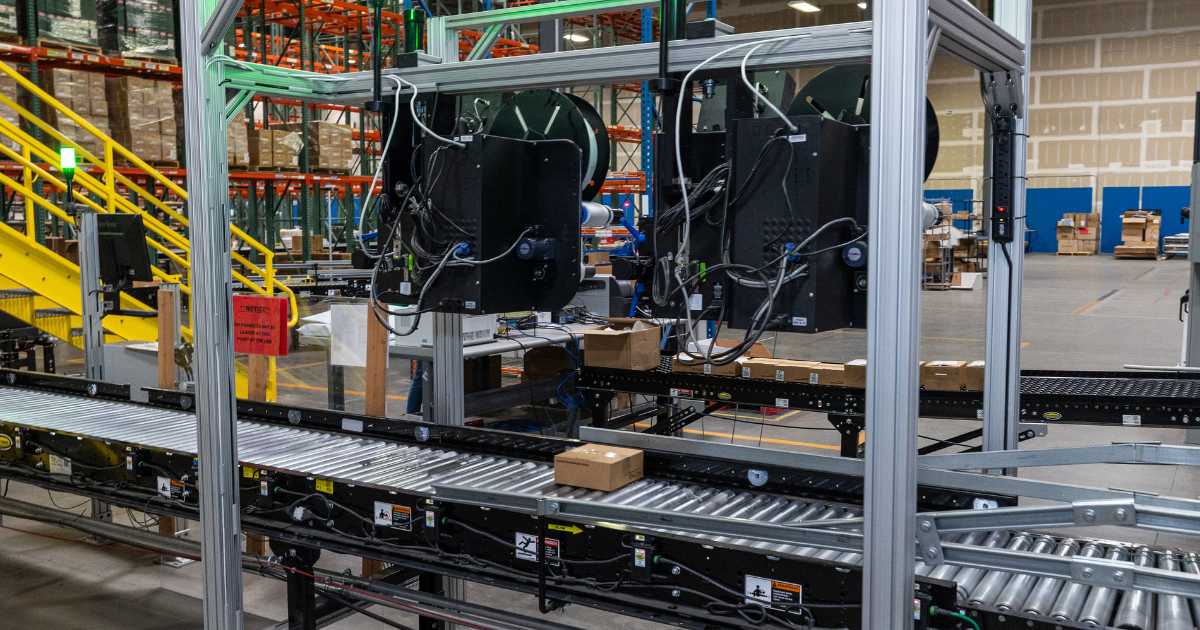
Warehouse automation is not a single technology or a one-size-fits-all solution. It is a layered ecosystem of hardware, software, and intelligent workflows operates in concert to manage the movement, storage, and fulfillment of inventory. At its core, automation replaces or assists manual effort across five critical functions:
- Receiving and putaway
- Inventory tracking and storage
- Order picking and packing
- Shipping, label generation, and carrier selection
- Returns processing
Importantly, automation does not replace people. It shifts workers away from repetitive, physically demanding tasks and toward higher-value roles in quality control, exception handling, and customer service. The outcome is a warehouse that runs faster, smarter, and with fewer errors, without requiring a proportional increase in headcount.
Key Features of a Modern Automated Warehouse
Goods-to-Person (GTP) Robotics
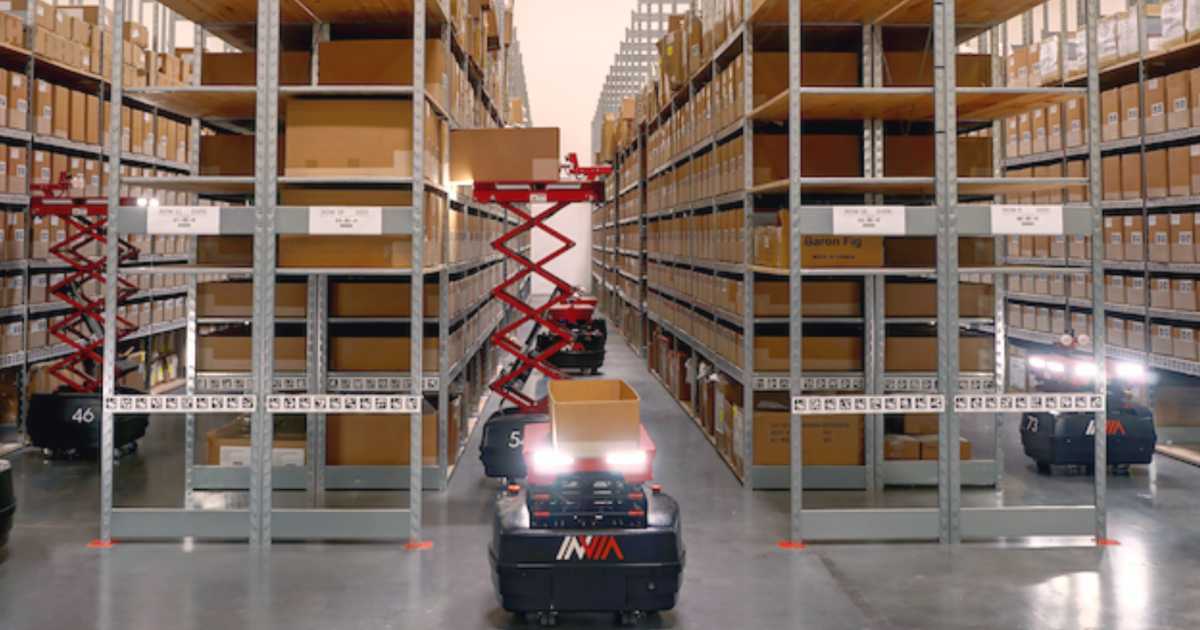
Traditional warehousing sends workers walking miles of aisles every shift. Goods-to-person systems flip that equation: robots retrieve products from storage and bring them directly to stationary pick stations.
a2b Fulfillment uses Automated Mobile Robots (AMRs) to retrieve items and stage them on a compacted pick wall, dramatically reducing picker travel time and associated labor costs. Zone-based picking takes this further: workers stay in their designated zone while the cart or robot moves on to the next zone after each pick. The result is faster throughput, lower fatigue, and a measurable reduction in workplace injuries.
Warehouse Management System (WMS)
.jpg)
The WMS is the intelligence layer that coordinates everything in a modern fulfillment operation: receiving, putaway, order release, pick sequencing, packing confirmation, and shipping. A well-built WMS tracks inventory at every point of contact, from dock receipt to pallet location to pick to pack to label, so exceptions surface faster and resolve more cleanly.
a2b's WMS integrates with leading eCommerce platforms and marketplaces, providing real-time inventory visibility across all channels. It also supports EDI capabilities for B2B and retail compliance requirements, which matters for brands selling through wholesale or big-box retail alongside DTC.
Automated Conveyor and Sorting Systems
Once an order is picked, conveyor systems move it from pick zones to packing stations through intelligent zone diversions. From there, automation handles right-sized box induction, packing slip auto-print and insert, precise weight and dimension capture, and automated label print-and-apply.
Carrier rate shopping also happens in real time at the moment of shipment, automatically selecting the most cost-effective option based on the package's actual specs and destination.
Quality Control (QC) Automation
Automated weight-check stations flag any package that deviates from its expected weight before it ever reaches a carrier. We divert those packages for review to catch short-ships, wrong items, and packing errors before they reach the customer.
This layer of automation directly protects brand reputation. Fewer fulfillment errors mean fewer returns, fewer chargebacks, and fewer customer service escalations.
Business Intelligence and Client Visibility
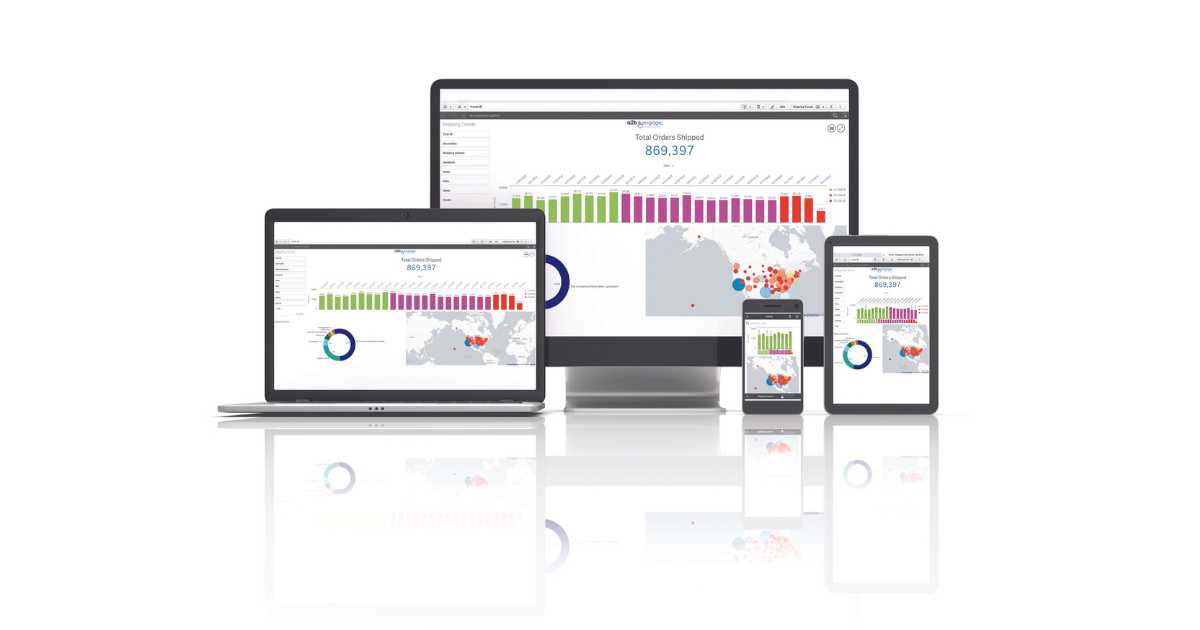
Automation does not stop at the warehouse floor. a2b's proprietary client portal, a2b Engage, provides brand partners with real-time access to their data via graphical reporting and mobile BI dashboards. Inventory levels, order status, fulfillment metrics, and more are available anytime, on any device.
Full transparency into fulfillment operations is not a luxury for eCommerce brands. Managing inventory intelligently and maintaining customer experience standards require meeting this baseline requirement.
What Are the Benefits of Warehouse Automation for eCommerce Brands?
The case for automated fulfillment comes down to seven measurable outcomes:
- Faster order fulfillment: Automated workflows compress processing time significantly. a2b processes and ships orders in as little as one to two days, with reach covering 95% of U.S. households.
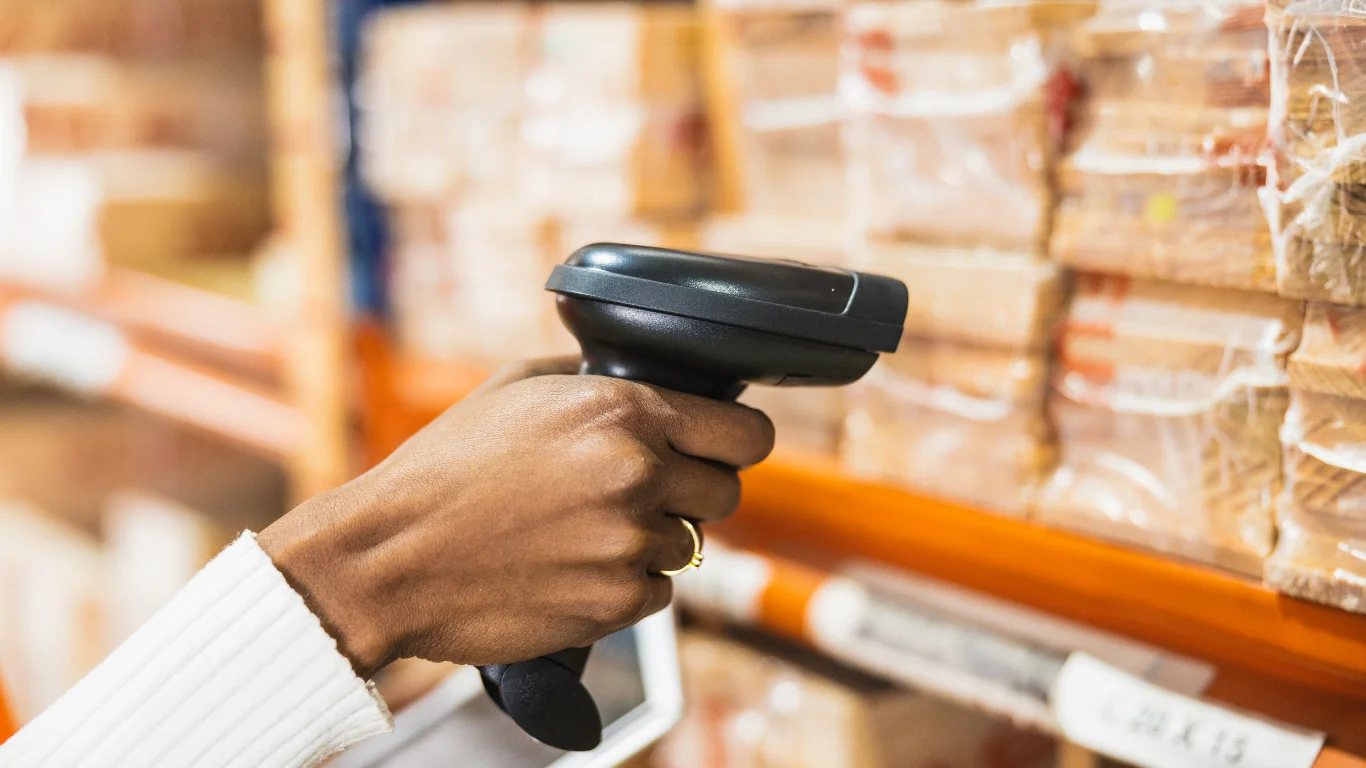
- Higher accuracy rates: Barcode scanning, system-directed picking, and automated weight-check QC reduce mis-picks and mis-ships, which directly lowers return rates and chargeback exposure.
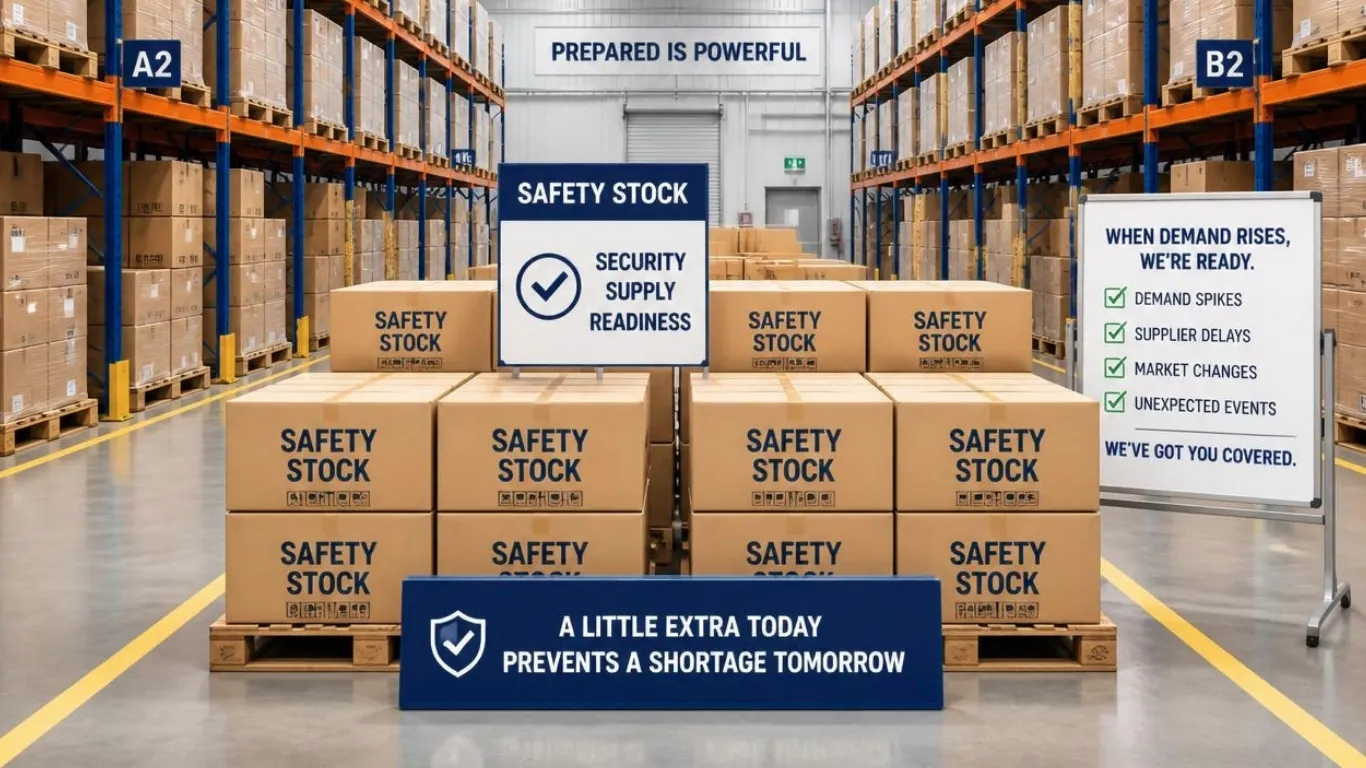
- Scalability during peak seasons: Automated systems absorb volume surges like Black Friday and the holiday season without proportional increases in labor. The system scales. Brands do not scramble.
- Reduced fulfillment costs: Streamlined labor, optimized storage, and fewer error-driven costs like re-ships and returns add up to a meaningfully lower cost per order.
- Better inventory management: Real-time tracking at every touchpoint means brands always know exactly how much inventory is available and where it is, preventing stockouts and overselling.
- Improved worker safety: Robots handle the heaviest, most repetitive tasks, which reduces injury rates and improves employee retention across the operation.
- Competitive shipping rates: Automated rate shopping at the moment of shipment, combined with a2b's negotiated carrier discounts, passes real savings back to brand partners on every shipment.
How Does Warehouse Automation Address Labor Challenges?
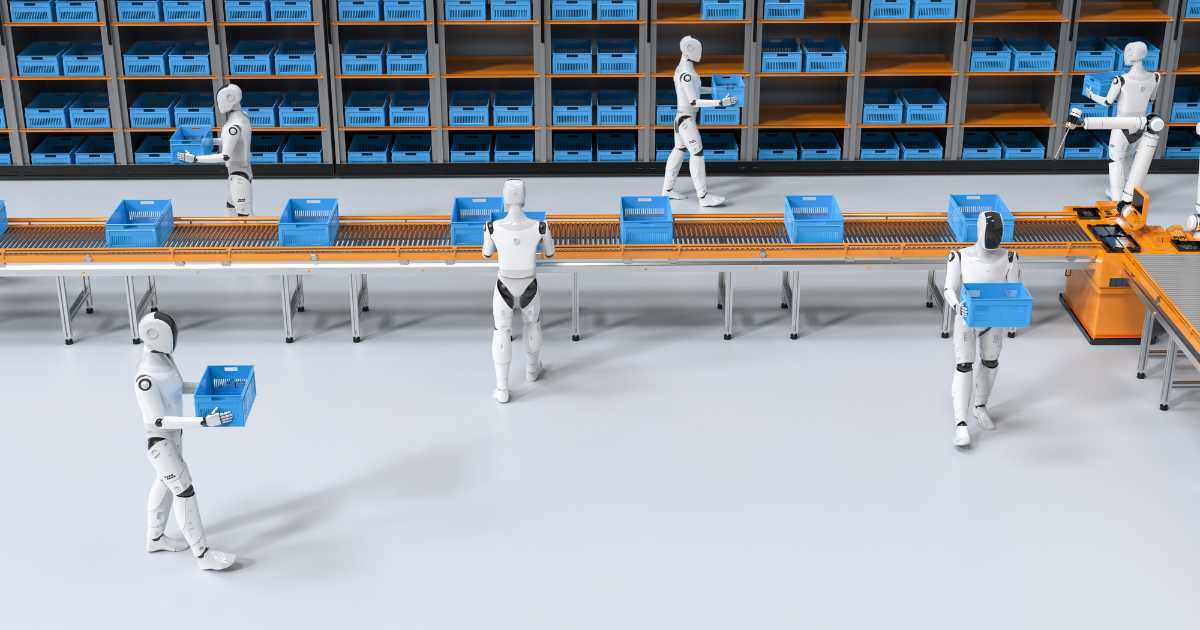
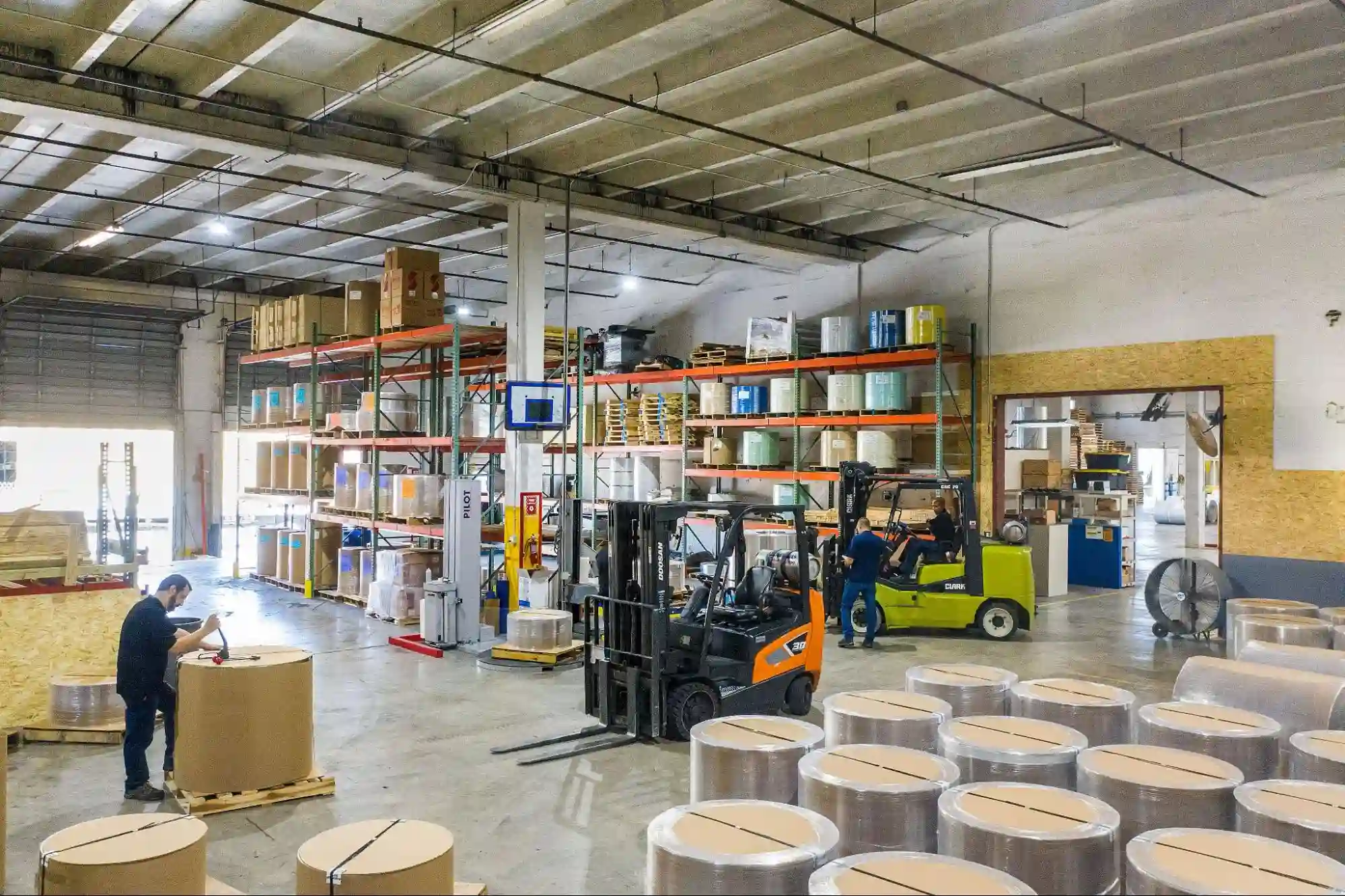
Labor is warehousing's most persistent operational challenge. The U.S. Chamber of Commerce has documented that for every 100 warehouse job openings, fewer than 70 workers are available to fill them. That gap widens considerably during peak seasons, when volume spikes put the most strain on operations already stretched thin.
Automation functions as an enablement strategy, not a replacement strategy. Workers shift from repetitive walking and lifting to precision-oriented roles in QC, exception handling, and customer-focused problem-solving. Jobs become less physically demanding and more engaging, thereby improving morale and reducing turnover. In manual operations, fulfillment cost comparisons rarely account for turnover, even though it is a significant hidden cost.
For brands that outsource fulfillment to a2b, labor instability at the 3PL level never becomes their problem. a2b built its automated systems to handle demand swings without reducing service levels, no matter the local labor market.
The Bottom Line
Warehouse automation is not a competitive advantage reserved for enterprise-scale operations. It is quickly becoming the baseline expectation for any fulfillment partner serious about accuracy, speed, and cost efficiency. For eCommerce brands evaluating 3PL partners, the right question isn’t whether a warehouse uses automation, but how deeply the team integrates it and what visibility it provides.
a2b Fulfillment combines 24 years of fulfillment expertise with technology-enabled operations built to scale with your brand. Contact us to learn how our automated infrastructure can reduce your fulfillment costs and improve the customer experience from checkout to doorstep.
Frequently Asked Questions
What is warehouse automation?
Warehouse automation is the use of technology, including robotics, conveyor systems, warehouse management software, and AI, to replace or assist with manual tasks like picking, packing, sorting, and shipping. Modern automation spans a spectrum from basic barcode scanning to fully autonomous goods-to-person systems.
How does warehouse automation improve order accuracy?
Automated systems use barcode scanning, system-directed picking, and automated weight-check QC stations to verify every order before it ships. The system confirms each step in the pick-pack-ship process, dramatically reducing human error that leads to mis-picks and mis-ships.
How does automation help during peak seasons like the holidays?
Automated systems handle significant spikes in order volume without requiring a proportional increase in labor. Robotics, conveyor systems, and WMS-driven workflows maintain consistent throughput regardless of volume, ensuring brands experience the same service levels on Cyber Monday as in February.
Does warehouse automation eliminate warehouse jobs?
No. Automation shifts roles rather than eliminating them. Workers move from physically demanding, repetitive tasks like walking pick aisles and manually sorting to higher-value positions in quality control, exception management, and customer-facing problem-solving. This typically improves both job satisfaction and employee retention.
What should eCommerce brands look for when evaluating a 3PL's automation capabilities?
Look beyond the marketing language and ask specific questions: What WMS do they use, and does it integrate with your platform? How are QC checks performed? Do they offer real-time inventory visibility through a client portal? What is their reported order accuracy rate? And how have their service levels held up historically during peak periods?