

For years, many direct-to-consumer (DTC) brands picked one shipping carrier and stuck with it. The thinking made sense on the surface: build a relationship, negotiate a contract, keep things simple. But that approach is getting harder to defend. Carrier pricing keeps rising, service reliability varies by region, and now one of the biggest players in the shipping world, the United States Postal Service, is facing a financial crisis that could affect millions of eCommerce shipments.
The smarter move? Rate shopping across multiple carriers. Here is what that means, why it matters, and what the data says about its impact on your bottom line.
The USPS Problem Every eCommerce Brand Should Know About

In March 2026, Postmaster General David Steiner went before Congress with a warning: the USPS could run out of operating cash as early as February 2027 without government intervention. The agency posted a net loss of $9 billion in fiscal year 2025 and a $1.3 billion loss in just the first quarter of fiscal year 2026. According to reporting by NPR and FreightWaves, USPS has already cut nearly 29,000 jobs and reduced air transportation costs by 46% over four years, but the bleeding has not stopped.
This matters to eCommerce brands because USPS handles a massive share of last-mile deliveries in the United States. It is often the lowest-cost option for lightweight packages, and it reaches every address in the country without residential surcharges that UPS and FedEx typically add.
If service levels decline further, or if rate increases accelerate as the agency tries to cover its losses (the USPS already requested authority to raise stamp and package prices by an additional 23% in late 2025), brands that rely heavily on USPS have a real problem.
This is not a reason to abandon USPS entirely. It is a reason to stop depending on any single carrier.
What Is Carrier Rate Shopping?

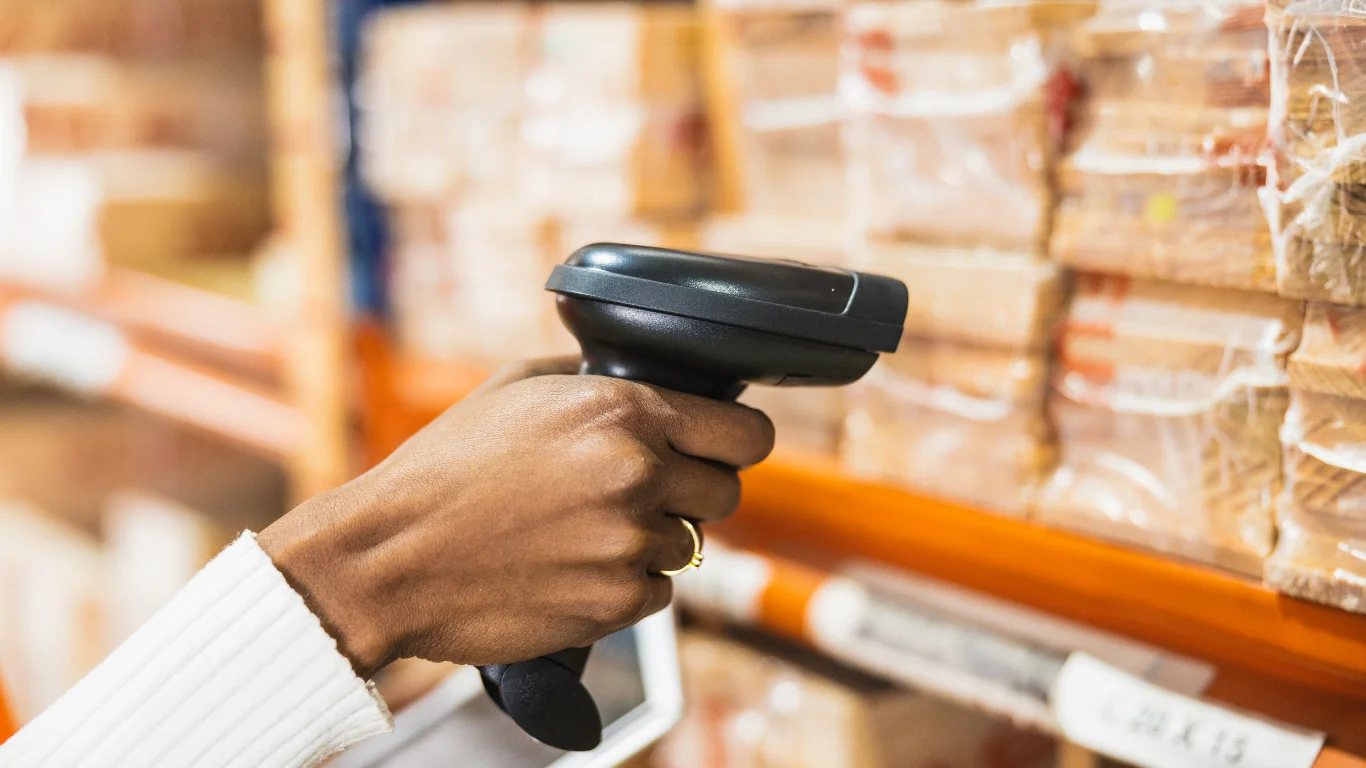
Rate shopping is the process of comparing shipping rates across multiple carriers for every order before a label is printed. Instead of defaulting to one carrier automatically, rate shopping software pulls live quotes from UPS, FedEx, USPS, DHL, regional carriers, and others, then selects the best option based on cost, speed, or a combination of both.
According to Logiwa, a warehouse management platform, rate shopping is one of the fastest ways for DTC brands to reduce shipping costs without sacrificing service quality. The process used to be done manually, but today it is typically handled automatically by a warehouse management system (WMS) or transportation management system (TMS) that runs comparisons in real time on every single shipment.
Why Multi-Carrier Is the Right Strategy for DTC Brands
1. Not Every Carrier Is Best for Every Shipment
There is no single carrier that wins on every route, every weight class, and every service level. Each carrier has strengths and weaknesses depending on the shipment characteristics.
USPS tends to be the most affordable option for lightweight packages, especially those under one pound, and does not add residential delivery surcharges. UPS and FedEx are generally stronger for heavier ground shipments and time-sensitive deliveries.
Regional carriers like OnTrac and GLS often beat the national carriers on both price and speed within their coverage zones. According to Rush Order, a fulfillment provider that tracks carrier performance data, OnTrac and GLS have achieved roughly 97% on-time delivery rates in their coverage regions, which is competitive with the major national carriers.
A multi-carrier approach lets brands assign each shipment to the carrier that makes the most sense for that specific package, destination, and delivery window.
2. The Cost Savings Are Real
Shipping costs are one of the biggest line items for eCommerce brands. According to a 2025 study of DTC supply chain executives by Deposco, 86% of companies now generate up to half their revenue through direct-to-consumer channels. With that kind of volume, even small per-shipment savings add up quickly.
Rate shopping does not always mean choosing the cheapest option. It means choosing the best value. Sometimes that is the lowest price. Sometimes it means paying a little more for faster transit to keep a customer happy. The key is that the decision is made with data rather than habit.
3. Carrier Diversification Protects Against Disruptions
Single-carrier dependency creates risk. During peak shipping seasons, weather events, labor actions, or regional bottlenecks, a carrier that normally performs well can slow down or stop accepting pickups entirely.
According to ePost Global, which analyzed over 20 million parcels, eCommerce retailers using multi-carrier networks achieved delivery speeds up to 37% faster on certain routes compared to single-carrier operations. When one carrier experiences delays due to a snowstorm or network congestion, brands with multiple carrier relationships can reroute volume without missing a beat. That kind of backup protection is hard to put a price on, especially during the holiday peak season when a single bad week can damage customer loyalty for months.
4. Rate Increases Are Not Going Away
UPS and FedEx have both raised general rates by approximately 5.9% annually in recent years. USPS has raised first-class stamp prices 42% between 2020 and 2025 and is seeking additional increases. Fuel surcharges, residential delivery fees, and peak season surcharges layer on top of base rates.
Brands locked into a single carrier contract have limited leverage when rates go up. Brands with multi-carrier relationships can shift volume toward whichever carrier is offering the most competitive pricing at any given time. That flexibility is a form of negotiating power.
5. Regional Carriers Offer Real Advantages in Their Zones
One of the most underused strategies in DTC shipping is injecting volume into regional carriers for orders within their coverage areas. Regional carriers like OnTrac (which has expanded significantly eastward) and GLS operate with leaner networks focused on specific geographies. Because they do not try to cover the entire country, they can often offer faster transit times and lower rates within those zones compared to the national carriers.
A common strategy is to route West Coast orders through OnTrac or GLS and use UPS, FedEx, or USPS for the rest of the country. This kind of zone-based routing requires either a multi-carrier shipping platform or a 3PL partner that already has these carrier relationships in place.
What Shoppers Expect
Consumer expectations are part of the equation too. According to a study cited by Logiwa, 62% of shoppers expect their orders to arrive in less than three business days when choosing free shipping. A separate study found that 80% of consumers expect same-day delivery options to be available. Brands that cannot meet delivery expectations lose repeat customers.
Using multiple carriers makes it easier to hit those windows consistently. If your primary ground carrier is running a day behind in the Pacific Northwest this week, a regional carrier might get that same package there on time.
The Takeaway

Relying on a single shipping carrier made sense when shipping was simpler and carrier pricing was more stable. That world is gone. Between USPS financial uncertainty, annual rate hikes from UPS and FedEx, the growth of regional carriers, and the speed expectations of modern shoppers, the math clearly favors a multi-carrier approach.
Rate shopping is not about finding the cheapest label every time. It is about making the best decision for each shipment, every time, using real data. Brands that build this capability, whether through their own systems or through a fulfillment partner that already has carrier relationships in place, are better positioned to protect margins, meet customer expectations, and keep their supply chains moving even when individual carriers hit bumps.
Sources: NPR (March 2026), FreightWaves (March 2026), Logiwa WMS, Rush Order, ePost Global, Deposco 2025 DTC Report, GoBolt 2025 State of Logistics Report