

Sustainability in fulfillment isn’t just about choosing a recyclable box. Green logistics looks at the entire journey of a product, from the fulfillment center to the customer and, sometimes, back again, and identifies opportunities to reduce waste, transportation miles, energy consumption, packaging materials, and unnecessary handling throughout the entire supply chain. For brands, the right approach can reduce environmental impact and shrink a company's carbon footprint while also improving efficiency, lowering costs, and creating a better customer experience.
Table of Contents
- What Is Green Logistics?
- Why Does Sustainable Fulfillment Matter for Your Brand?
- Key Green Logistics Practices: What Does Sustainable Fulfillment Actually Look Like?
- How Can a 3PL Partner Help You Achieve Green Logistics Goals?
- Building Sustainable Fulfillment with a2b
- Ready to Make Your Fulfillment Strategy More Sustainable?
- Green Logistics FAQs
What Is Green Logistics?
Green logistics is the practice of reducing the environmental impact and carbon emissions associated with logistics and supply chain operations across the logistics sector. According to the Association for Supply Chain Management (ASCM), green logistics considers environmental impacts throughout logistics operations and takes steps to reduce them.
In fulfillment, that can include everything from the type and amount of packaging used to how inventory is positioned, how orders are picked and packed, which transportation services are selected, and what happens when merchandise is returned.
This makes green logistics more specific than broad corporate environmental sustainability initiatives. It is about making tangible operational decisions that reduce a supply chain's environmental footprint across the logistics sector.
For an e-commerce brand, those green logistics decisions can include:
- Shipping an order from a fulfillment center closer to the customer.
- Using a smaller box that requires less corrugated material and void fill.
- Selecting ground transportation rather than air to minimize fuel consumption when delivery requirements allow.
- Reducing paper through digital warehouse processes.
- Preventing fulfillment errors that result in replacement shipments.
- Refurbishing a returned product so it can be sold again rather than discarded.
The objective is not simply to make logistics "green." It is to build a supply chain that uses raw materials and resources more intelligently.
Green Logistics vs. Traditional Logistics
Traditional logistics has historically centered on several primary objectives: moving products quickly, accurately, reliably, and at the lowest practical cost.
Green logistics adds another consideration: environmental impact.
That doesn't necessarily mean sacrificing speed or increasing cost. In fact, many green logistics practices are fundamentally efficiency initiatives.
Consider an oversized shipping box. It uses more corrugated material, requires more void fill, occupies more space on a delivery vehicle, and can generate higher dimensional-weight shipping charges. Right-sizing that package can reduce both environmental impact and cost while shrinking a shipment's carbon footprint. The same relationship exists throughout fulfillment.
Shorter transportation distances can mean reduced transport costs and fewer carbon emissions. Better inventory accuracy and efficient inventory management can mean fewer emergency replenishments. Greater order accuracy can mean fewer reships. Efficient warehouse workflows can mean less wasted movement.
Done well, green logistics and operational efficiency frequently reinforce one another.
Why Does Sustainable Fulfillment Matter for Your Brand?
Sustainability, driven partly by mounting concern over climate change, has moved beyond being simply a corporate social responsibility initiative. Increasingly, it influences packaging decisions, supply chain strategy, retailer requirements, customer expectations, and regulatory compliance across the logistics industry.
That makes sustainable fulfillment relevant to both a brand's environmental objectives and its long-term business strategy.
Regulatory Requirements Are Evolving
Packaging regulation is one area receiving increasing attention.
California's SB 54, for example, established an extended producer responsibility program for single-use packaging and plastic food service ware. The law establishes significant packaging reduction, recyclability or compostability, and recycling objectives for 2032.
Other jurisdictions are also evaluating or implementing programs intended to shift greater responsibility for packaging waste toward producers.
For brands selling nationally, this means packaging decisions made today can have implications beyond material and shipping costs.
Developing more sustainable packaging and fulfillment processes proactively may be far easier than redesigning them quickly in response to changing requirements.
Customers Can See Your Fulfillment Choices
Much of a company's supply chain operates behind the scenes.
Packaging doesn't.
The shipping box or mailer may be one of the first physical interactions an e-commerce customer has with a brand. An oversized box filled with unnecessary plastic can communicate something very different from thoughtfully designed, right-sized, recyclable packaging.
Sustainable packaging can therefore become part of the customer experience and reinforce brand reputation and environmental positioning.
Sustainability Can Also Reduce Costs
One of the biggest misconceptions surrounding green logistics is that sustainable fulfillment must cost more.
Sometimes it does. Certain materials, technologies, or transportation alternatives may require upfront investment.
But many sustainability initiatives are really exercises in eliminating waste, leading to significant cost savings.
Right-sized packaging can reduce material and dimensional-weight costs, leading to lower packaging costs. Strategic inventory placement can reduce shipping zones. Better cartonization can improve trailer utilization. Fewer fulfillment errors can eliminate costly reships. Effective refurbishment can turn a returned product from a write-off back into sellable inventory.
In those situations, reducing environmental impact and reducing cost are two outcomes of the same operational improvement.
Retailers and Business Partners Are Paying Attention
For brands selling through major retailers and marketplaces, sustainability can extend beyond consumer expectations.
Large organizations increasingly examine their suppliers' sustainable practices, packaging choices, sourcing policies, and supply chain operations as part of broader sustainability programs.
Brands that understand and can improve their fulfillment footprint, protecting brand reputation, may therefore be better positioned as sustainability requirements evolve.
The Business Case for Going Green
The strongest green logistics strategies aren't based on sustainability alone.
They identify areas where environmental responsibility and operational efficiency overlap.
Less packaging. Less wasted space. Fewer shipping miles and a smaller carbon footprint. Fewer errors. Fewer discarded returns. Better use of inventory.
Those improvements can benefit customers, the environment, and the bottom line simultaneously.
Working with an experienced 3PL can also allow brands to access existing fulfillment infrastructure, technology, automation, carrier relationships, and operational expertise without making the upfront investment required to build those capabilities themselves.

Key Green Logistics Practices: What Does Sustainable Fulfillment Actually Look Like?
Green logistics encompasses multiple parts of fulfillment. Some improvements are highly visible to customers, while others happen entirely behind the scenes.
Eco-Friendly Packaging
Packaging is one of the most obvious opportunities.
But sustainable packaging isn't simply about replacing one material with another. It starts by asking a more fundamental question:
Right-Sized Packaging
Right-sizing cartons can reduce corrugated consumption, void fill, package volume, and dimensional weight. Smaller packages can also allow carriers to fit more shipments into trailers and delivery vehicles.
Brands can then evaluate eco-friendly practices and material choices such as:
- Recyclable corrugated cardboard and paperboard.
- Paper-based void fill.
- Water-activated paper tape.
- Recycled-content and other sustainable materials.
- Recyclable or compostable mailers where appropriate, including biodegradable or reusable packaging.
- Eco-friendly alternatives to traditional Styrofoam and plastic-based void fill.
Packaging decisions should still account for product protection. A damaged product that has to be replaced and shipped a second time can eliminate the environmental and financial benefits achieved by reducing packaging.
The goal is therefore not simply less packaging. It is the right packaging.
Paperless operations can extend that philosophy inside the fulfillment center. Digital work instructions, electronic reporting, automated documentation, and online client portals can reduce dependence on printed paperwork.
At a2b Fulfillment, technology such as our WMS and a2b Engage client portal helps move information electronically while providing brands with visibility into their fulfillment operations.

Energy-Efficient Warehousing
Warehouses are large physical environments, making energy consumption another important part of sustainable logistics.
Modern facilities can employ environmentally friendly practices such as LED lighting, occupancy or motion sensors, efficient HVAC systems, building controls, and renewable energy sources to reduce energy consumption.
Enhancing efficiency matters too.
A sophisticated Warehouse Management System can help optimize operations by determining more efficient ways to receive, store, replenish, pick, pack, and ship inventory. Paperless warehouse processes can eliminate printed work instructions, while automation can reduce unnecessary movement throughout the facility.
a2b also utilizes advanced automation, including Autonomous Mobile Robots (AMRs) and Goods-to-Person workflows, to bring inventory to fulfillment associates rather than requiring workers to repeatedly travel throughout large picking areas.
The immediate objective is greater productivity, but eliminating unnecessary movement is also consistent with a broader green logistics principle: don't consume resources for activity that doesn't add value.
Technology can create environmental benefits in less obvious ways as well.
Automated weight checks and quality-control processes can help identify fulfillment errors before an order leaves the building. Preventing an incorrect shipment doesn't just improve customer satisfaction; it can eliminate the transportation, packaging, and processing associated with a replacement order and return.
Sustainable Transportation & Shipping
Transportation is another major component of the environmental footprint of e-commerce.
One of the most effective ways to reduce that impact is also surprisingly straightforward:
Strategic Inventory Placement
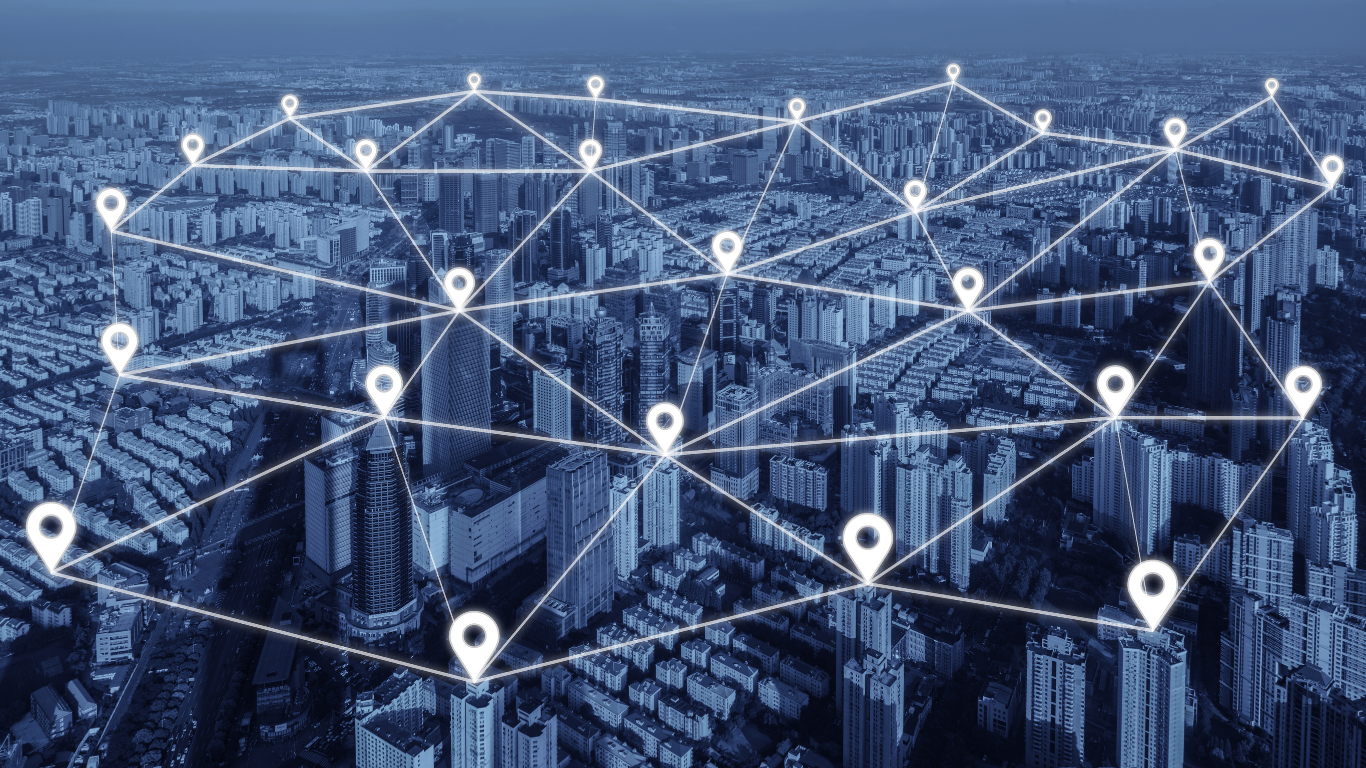
A distributed fulfillment network allows brands to position inventory strategically across regional distribution centers around the country based on customer demand, rather than shipping every order from a single location.
a2b's U.S. logistics network enables brands to reach approximately 95% of U.S. households within two days using ground service.
That distinction matters.
Fast delivery doesn't always have to mean expedited air transportation. When inventory is positioned closer to customers, brands can potentially achieve competitive delivery times using cost-effective ground services.
The result can be a powerful combination: faster delivery, lower parcel expense, and less dependence on expedited transportation, all while reducing carbon emissions.
Technology can further improve green transportation efficiency through carrier selection, shipment consolidation, cartonization, and route optimization aimed at reducing fuel consumption and emissions.
Carriers themselves are also investing in electric vehicles, alternative fuels, renewable energy, and other approaches to reducing greenhouse gas emissions and shrinking their overall carbon footprint. A 3PL with established relationships across multiple carriers can help brands evaluate shipping options, including alternative fuel adoption, as those capabilities continue to develop.
Sustainable Returns Management
Sustainability shouldn't stop when a package reaches the customer.
Returns and reverse logistics present another major opportunity.
When returned merchandise automatically becomes waste, the brand loses twice: it loses the economic value of the product and the raw materials and resources that went into manufacturing, transporting, packaging, and processing it.
A more sophisticated reverse logistics program asks what value can be recovered.
Depending on the product and its condition, returned merchandise may be:
- Inspected and immediately returned to inventory.
- Cleaned and repackaged.
- Tested or repaired.
- Refurbished.
- Reworked or relabeled.
- Used for replacement components.
- Recycled or responsibly disposed of when recovery isn't practical.
a2b's reverse logistics and product refurbishment capabilities are designed to help brands recover as much value as practical from returned products.
That can have a meaningful sustainability benefit.
The greenest replacement product may be the one you don't have to manufacture because the original product was successfully recovered.
How Can a 3PL Partner Help You Achieve Green Logistics Goals?
Brands don't necessarily need to build an entirely new logistics infrastructure to make their fulfillment operations more sustainable.
The right third-party logistics provider can support green logistics by providing access to shared warehouses, technology, automation, packaging expertise, transportation networks, and reverse logistics capabilities that would be expensive and difficult for an individual brand to recreate.
When evaluating a 3PL through a green logistics lens, consider asking about:
- Energy-efficiency initiatives within fulfillment facilities.
- Paperless warehouse processes.
- WMS and automation capabilities.
- Recyclable and alternative packaging materials that reflect sustainable practices.
- Cartonization and right-sizing capabilities.
- Geographic distribution of fulfillment centers.
- Ability to reach customers using ground rather than expedited air transportation.
- Carrier optimization, electric vehicles, alternative fuels, and transportation technology.
- Returns inspection and disposition processes.
- Product refurbishment and recovery capabilities.
- Reporting and data visibility.
It is also important to look beyond individual "green" features.
The underlying efficiency of the fulfillment operation matters enormously.
A fulfillment center that uses recyclable packaging but generates excessive errors, unnecessary shipments, inefficient inventory movement, and high product write-offs isn't necessarily delivering sustainable logistics.
The better question is:
How efficiently does the entire supply chain use materials, transportation, inventory, energy, technology, and labor?
Building Sustainable Fulfillment with a2b
For more than 25 years, a2b Fulfillment has helped brands manage increasingly complex DTC, ecommerce, retail, and marketplace fulfillment requirements.
Our approach combines a strategic multi-facility U.S. footprint with sophisticated warehouse technology, robotics and automation, same-day fulfillment, packaging capabilities, transportation optimization, reverse logistics, and value-added services such as kitting, assembly, and product refurbishment.
These capabilities weren't created solely for sustainability. They were created to make fulfillment more efficient.
And that's precisely the point.
Many of the biggest opportunities in green logistics come from eliminating waste in every sense of the word: wasted packaging, wasted transportation, wasted inventory, wasted movement, wasted products, and wasted dollars.
A brand shouldn't have to choose between a better supply chain and a greener one.
With the right strategy and fulfillment partner, they can increasingly be the same thing.
Ready to Make Your Fulfillment Strategy More Sustainable?
Green logistics turns sustainability goals into practical supply chain decisions, from packaging and warehouse operations to transportation and returns. By combining sustainability with operational efficiency, brands can reduce waste, control costs, improve the customer experience, and build a fulfillment strategy designed for a more sustainable future.
Ready to make your fulfillment operation more efficient, flexible, and sustainable? Talk to a2b Fulfillment about building a smarter green logistics strategy.
Green Logistics FAQs
What is green logistics?
Green logistics refers to supply chain and fulfillment practices designed to reduce environmental impact and address climate change. Examples include eco-friendly and right-sized packaging, energy-efficient warehousing, optimized transportation, strategic inventory placement, paperless operations, and sustainable reverse logistics.
How does outsourcing fulfillment to a 3PL support sustainability?
A 3PL can give brands access to existing warehouses, technology, automation, transportation relationships, packaging capabilities, and reverse logistics infrastructure without requiring each brand to build those resources independently. A distributed 3PL network can also position inventory closer to customers, potentially reducing transportation distances and reliance on expedited shipping while reducing greenhouse gas emissions.
What are the most impactful green packaging changes a brand can make?
Right-sizing packaging is often a strong starting point because it can reduce corrugated material, void fill, dimensional weight, and shipping costs simultaneously. Brands can also evaluate recyclable paper-based materials, recycled-content packaging, alternatives to plastic void fill, and the elimination of unnecessary printed inserts.
Can green logistics actually reduce fulfillment costs?
Yes. Although some sustainability initiatives require additional investment, many green logistics practices can lower costs by eliminating waste. Smaller packages, shorter shipping distances, ground transportation, fewer fulfillment errors, optimized inventory, and product refurbishment can all create economic as well as environmental benefits.
How can reverse logistics make fulfillment more sustainable?
Effective reverse logistics focuses on recovering value from returned merchandise rather than automatically discarding it. Products may be inspected, repackaged, repaired, refurbished, restocked, recycled, or otherwise recovered. Extending the useful life of returned merchandise can reduce waste while helping brands recover inventory value.