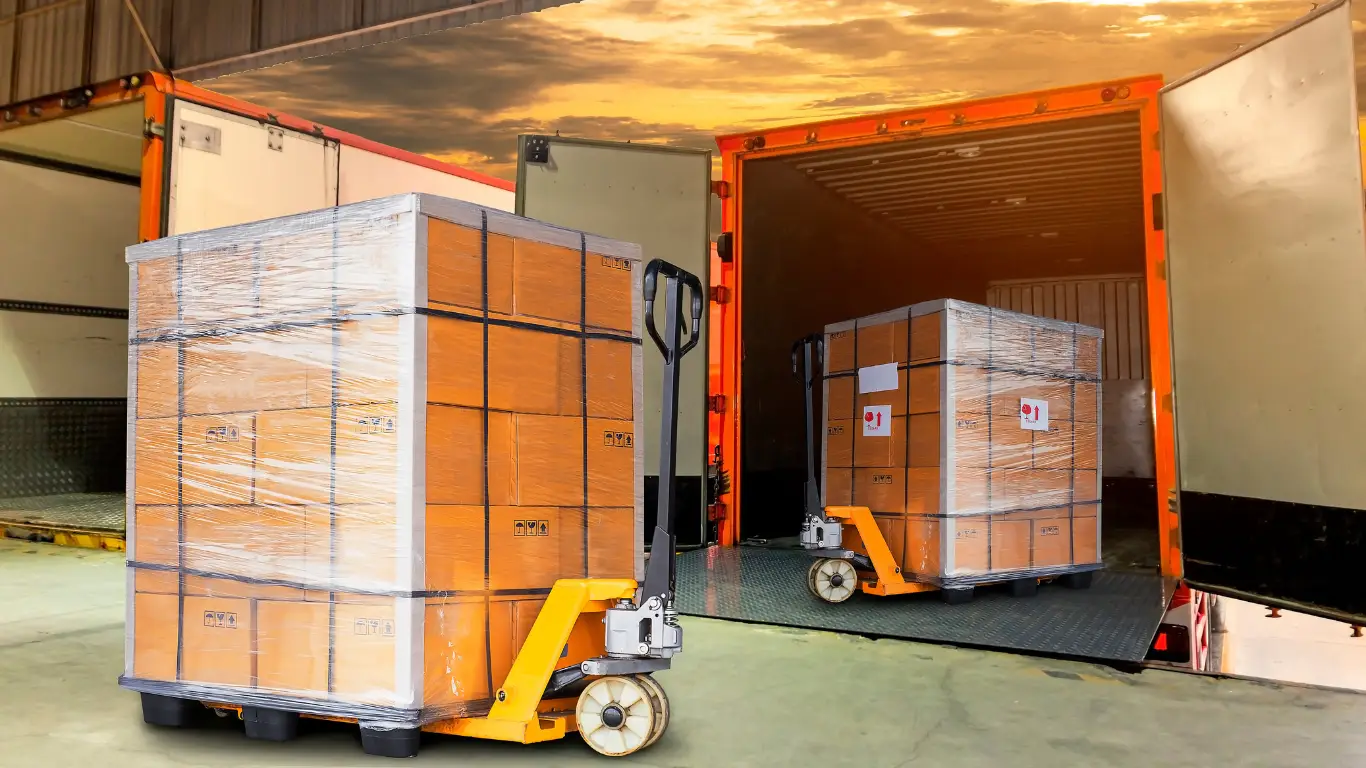
LTL (less than truckload) is a freight shipping method in which multiple companies share space on the same truck, and each shipper pays only for the portion of the trailer its freight uses. It's the go-to option when a shipment is too large for parcel carriers but too small to fill an entire trailer.
For businesses shipping retail replenishment orders or smaller batches of inventory, LTL freight is a cost-effective alternative to full truckload. Knowing how it works, what drives the cost, and when to use it helps you pick the right shipping method for every load.
Table of Contents
- What Is LTL Shipping?
- How LTL Shipping Works
- LTL vs. FTL: Key Differences
- What Are the Benefits of LTL Shipping?
- When to Use LTL Shipping
- What Determines LTL Freight Shipping Costs?
- How a2b Fulfillment Supports LTL Shipping
- Make Your Next LTL Shipment Work Harder
- FAQs
What Is LTL Shipping?
LTL shipping is a freight transportation method in which shipments from multiple customers ride on the same truck. Rather than reserving one trailer for a single shipment, LTL carriers combine freight from different shippers headed to the same geographic area.
LTL shipments commonly weigh between 150 and 15,000 pounds, although carrier requirements and pricing vary. Freight is usually palletized or crated so it's easier to handle, transport, and protect.
For example, a business shipping four pallets to a retail distribution center doesn't need a full 53-foot trailer. With less-than-truckload (LTL) service, those pallets travel alongside cargo from other companies and split the cost of every LTL load on the truck.
How LTL Shipping Works
Unlike full truckload, where freight usually travels directly from origin to destination, LTL moves through a network of carrier terminals where shipments are sorted and routed.
The Pickup and Freight Classification Process
The shipping process starts when the shipper prepares its freight. Products are secured to pallets, wrapped, labeled, and documented with a bill of lading (BOL), which lists the commodity, piece count, weight, and freight class. Accurate dimensions and weights matter because they affect pricing and help the carrier plan trailer capacity.
Before shipment, the freight is assigned a class under the National Motor Freight Classification (NMFC) system, which sorts commodities into classes from 50 to 500. Classification is based on four characteristics:
- Density: The weight of the freight relative to the space it occupies.
- Handling: How easily the freight can be loaded and moved.
- Stowability: How efficiently the freight fits alongside other shipments.
- Liability: The potential for damage, theft, or other transportation risks.
Freight class has a big effect on rates. Dense, sturdy items land in lower classes, while light, bulky items such as furniture fall into higher, more expensive ones. Once the shipment is ready, the carrier picks it up from the warehouse or shipping location.
Consolidation, Transit, and Delivery
After pickup, the trucking company brings the shipment to a local terminal, where crews unload, sort, and consolidate it with freight going to similar destinations, much like cross-docking in a distribution center. Longer trips may pass through several terminals before reaching one near the recipient.
The final stage is delivery to a retailer, distribution center, or other commercial facility. Because freight may be handled several times, proper packaging, pallet wrap, and dunnage matter. Delivery time is also less predictable than with dedicated truckload service, so build terminal transfers into your delivery schedule.
LTL vs. FTL: Key Differences
LTL shares trailer space with other shippers, while FTL (full truckload) gives one shipper a dedicated trailer.
Neither option is automatically better. Shipping three pallets to a retailer will often favor LTL freight shipping, while shipping 24 pallets to the same destination may be cheaper with full truckload carriers.
Weight alone doesn't decide it. A bulky, low-density shipment that takes up much of the trailer may justify one truckload even if it's light. For brands selling to big-box stores, these differences also affect how you meet retail shipping requirements like delivery windows and routing guides.
What Are the Benefits of LTL Shipping?
LTL freight shipping is built for businesses that don't consistently have enough volume to fill one trailer.
Lower Costs for Smaller Shipments
You share capacity with other businesses and pay only for the space your pallets use, which helps you save money on smaller loads.
More Flexibility as Volume Changes
LTL lets you move freight without waiting until you have enough for a full truckload, which helps seasonal businesses, growing brands, and companies restocking multiple locations. As volume grows, you simply ship more freight on the same lanes.
Tracking and Specialized Services
Many LTL carriers offer an online tracking system and added services such as liftgate delivery, appointment scheduling, and residential or limited-access delivery. These make it easier to deliver to sites without a dock or forklift equipment, though most come with extra fees.

Better Use of Trailer Space
By consolidating freight from multiple shippers, LTL companies fill more of each trailer instead of sending half-empty trucks, a more efficient setup that can lower emissions per shipment.
When to Use LTL Shipping
LTL makes the most sense when a shipment is too large or heavy for economical parcel delivery but doesn't need an entire trailer. Common situations include:
- Retail replenishment: Shipping several pallets of inventory to a retailer or distribution center.
- Growing order volumes: Supporting businesses that have outgrown parcel shipping but don't regularly fill a truck.
- Seasonal demand: Moving inventory when volumes rise and fall through the year.
- Multi-location distribution: Sending smaller quantities to several regional destinations.
When LTL May Not Be the Best Choice
FTL may be the better fit when freight fills most of a trailer, needs minimal handling, or must arrive within a tight delivery window. A few lightweight cartons are usually cheaper by parcel. Hazardous materials can move LTL, but they need proper labels, placards, and paperwork, and not every carrier accepts every hazmat class.
What Determines LTL Freight Shipping Costs?
LTL carriers generally calculate rates from several factors:
- Freight class: The NMFC class assigned to the commodity.
- Weight and dimensions: Total weight, density, and the space the shipment occupies.
- Distance: The lane between origin and destination.
- Pickup and delivery locations: Commercial docks, residential addresses, and limited-access sites have different service needs.
- Accessorial services: Liftgate service, appointments, inside delivery, and similar requests add to the cost.
Many carriers also add minimum charges and fuel surcharges, and rates shift with capacity in the wider LTL market. Wrong dimensions, weights, or freight classes can trigger reclassification and reweigh fees, so preparing freight correctly before pickup keeps LTL freight shipping costs predictable.
How a2b Fulfillment Supports LTL Shipping
Managing LTL shipments takes more than picking a carrier. At a2b Fulfillment, LTL coordination is part of our fulfillment operations, so clients manage parcel orders and palletized freight through one partner.
Freight Preparation and Documentation
Our teams build and label palletized orders, apply protective packaging, and prepare shipping documents, including the bill of lading, which helps prevent delays and billing disputes.
Carrier Coordination and Cost Management
a2b works with many LTL carriers to match each shipment with the right service line for its size, destination, and delivery needs. Comparing carriers and consolidating freight are two practical ways to improve carrier rates.
Integrated B2B and DTC Fulfillment
Many brands sell to both retailers and consumers, so they need to handle everything from single-unit parcels to multi-pallet retail orders. Our omnichannel fulfillment approach runs both from shared inventory.
Make Your Next LTL Shipment Work Harder
LTL shipping is a cost-effective method for moving palletized freight without paying for an entire truck, as long as freight details, packaging, and carrier coordination are handled correctly.
a2b Fulfillment brings freight coordination together with warehousing, order fulfillment, and B2B distribution. Whether you're sending a few pallets to a retailer or managing recurring freight across multiple locations, our team can help. Contact a2b Fulfillment to talk through your LTL shipping and fulfillment needs.
FAQs
What does LTL mean in shipping?
LTL stands for "less than truckload," a freight shipping method in which multiple businesses share space on the same truck. It's used for palletized shipments that don't need a full trailer and is one of the core logistics services B2B brands rely on.
How long does LTL freight take to arrive?
Transit time depends on distance and the carrier's terminal network. Regional LTL shipments often arrive within a few business days, while cross-country moves can take a week or more, so build that into your lead time planning.
What happens if an LTL shipment is damaged or delayed?
Report damage on the delivery receipt before signing, and file a freight claim with the carrier, whose liability is usually limited by weight or freight class. Delays and damage often show up as a shipment exception in tracking.
Can a 3PL manage LTL freight for my business?
Yes. A third-party logistics provider can build pallets, prepare documents, book carriers, and track LTL freight alongside your parcel orders. If you're unsure how much logistics to hand off, our guide to 3PL vs. 4PL explains the options.
How can I lower my LTL freight shipping costs?
Start with accurate weights, dimensions, and freight classes to avoid reclassification fees, then consolidate smaller orders into fewer, denser pallets. Flexible pickup dates and fewer accessorial services also help you fight increasing shipping costs.
Subscribe to receive the latest a2b Fulfillment blog posts to your inbox every week.