

For ecommerce brands, fulfillment efficiency often comes down to reducing unnecessary touches. Every additional pick, scan, movement, and packing step takes time and creates another opportunity for error.
That is where kitting can make a meaningful difference.
Kitting is the process of assembling multiple individual products into a single unit or ready-to-ship bundle before customer orders are fulfilled. Instead of warehouse associates picking each component separately every time an order arrives, frequently purchased combinations can be assembled in advance and handled as one unit.
For the right products and order profiles, kitting can simplify the fulfillment process, reduce repetitive warehouse labor, support promotions and subscription programs, and create a more consistent customer experience. It can also help brands develop product bundles that increase average order value (AOV).
In this guide, we'll explain how the kitting process works, how it differs from standard pick and pack, and when outsourcing kitting to a 3PL may make sense.
Table of Contents
- What Is Kitting in Fulfillment?
- How the Kitting Process Differs from Standard Pick and Pack
- The Business Case for Kitting
- Types of Kitting Services
- When Does Kitting Make Sense for Your Business?
- What to Look for When Outsourcing Kitting
- Kitting With a2b Fulfillment
- Kitting: The Bottom Line
- Frequently Asked Questions About Kitting
What Is Kitting in Fulfillment?
Kitting is a fulfillment process in which two or more individual items are grouped or assembled into a single unit for storage, sale, or shipment.
The individual components may each have their own SKU, while the completed kit is typically assigned a separate SKU that represents the finished bundle.
Consider a skincare company that sells cleanser, toner, moisturizer, and sunscreen individually. The company might also sell all four products as a "Daily Skincare Kit." Instead of picking four separate products every time someone orders the kit, the fulfillment center can assemble kits in advance.
The completed kit can then be inventoried, picked, and shipped as a single unit.
The same concept applies across many industries. Common examples include:
- Subscription boxes
- Holiday and gift sets
- Product sample packs
- Starter kits
- Multi-packs and variety packs
- Promotional bundles
- Product-and-accessory combinations
- Retail display or point-of-sale kits
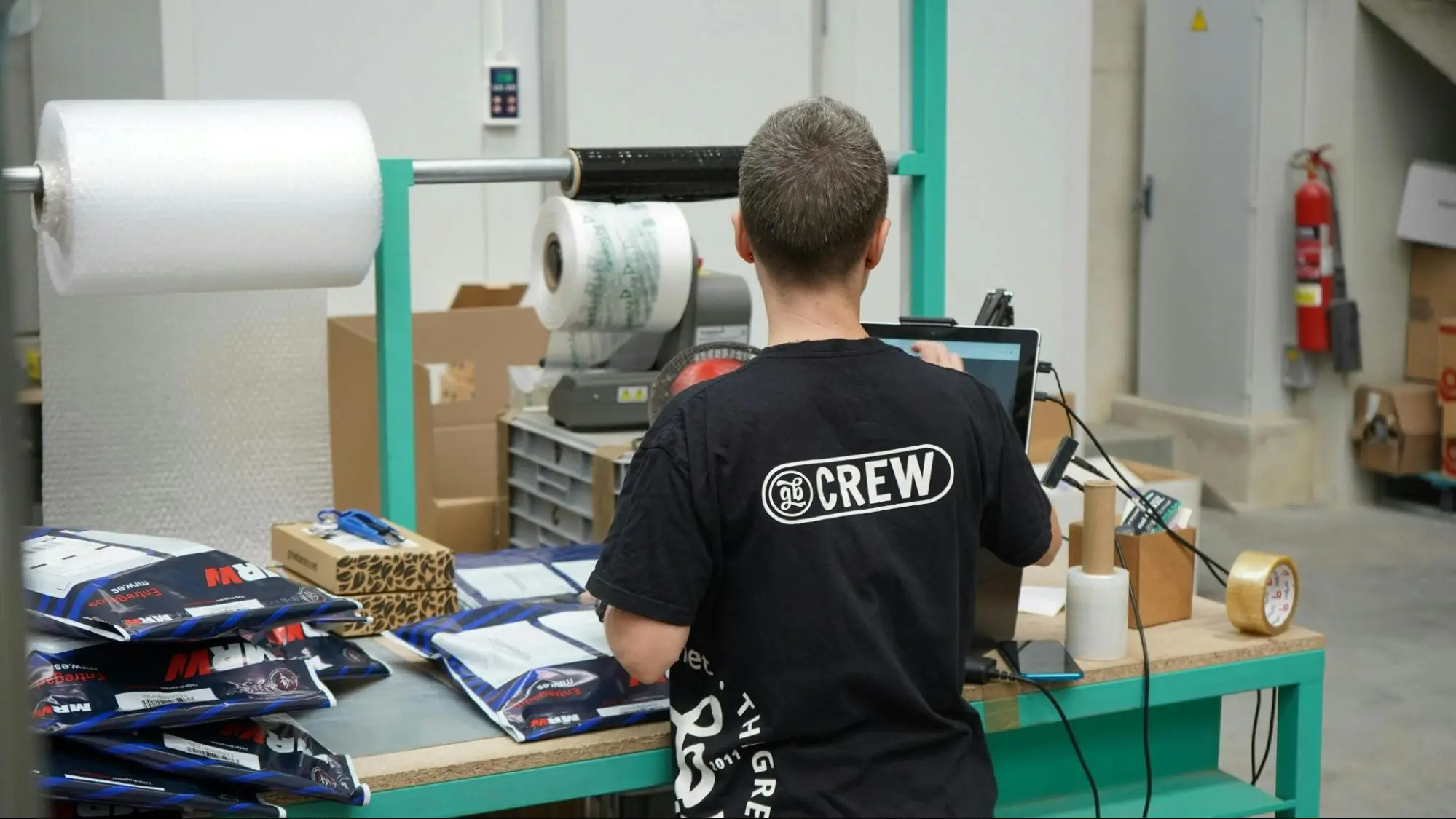
Kitting can involve more than simply putting several products into the same box. Depending on the program, kitting services may include assembly, labeling, inserting marketing materials, applying barcodes, repackaging products, building displays, quality-control inspections, and preparing finished kits for DTC or retail distribution.
In other words, warehouse kitting can become part of both the fulfillment process and the broader value-added services strategy.
How the Kitting Process Differs from Standard Pick and Pack
Traditional pick and pack fulfillment starts after an order is received.
Suppose a customer purchases three separate products. A warehouse associate or automated fulfillment system directs the picker to the appropriate inventory locations. Each item is picked, consolidated, verified, packed, and shipped.
That process works extremely well for many order profiles.
But consider what happens when thousands of customers repeatedly order the same combination of products. Picking those components individually for every order may create unnecessary work.
Kitting changes the sequence.
Rather than assembling the combination after each customer places an order, the warehouse can assemble kits ahead of anticipated demand. Once the kit is completed and entered into inventory, the fulfillment operation can treat it as a single SKU.
For example, instead of:
Pick Product A + Pick Product B + Pick Product C → Consolidate → Pack → Ship
The process becomes:
Pick Kit ABC → Pack → Ship
That distinction can become significant at scale.
A pre-assembled kit may reduce walking or robotic retrieval requirements, individual product scans, consolidation steps, and packing decisions. Fewer touches can mean faster throughput and fewer opportunities for picking or packing errors.
However, kitting isn't automatically more efficient in every situation. The brand and fulfillment partner still have to consider demand, inventory availability, storage requirements, assembly labor, and the risk of building more kits than customers ultimately purchase.
The goal isn't simply to kit more products. It is to use kitting where it improves the overall operation.
The Business Case for Kitting
Kitting sits at an interesting intersection between marketing, merchandising, inventory management, and warehouse operations.
A well-designed kitting program can generate benefits both before and after a customer clicks "Buy."
Increasing Average Order Value
One of the biggest commercial reasons brands create product bundles is the opportunity to increase average order value.
A customer who originally planned to buy one product may be willing to purchase several complementary items if they are presented as a convenient package.
For example, instead of selling a single cleaning product, a brand could offer a complete home cleaning starter kit. A cosmetics company could combine complementary products into a makeup set. An electronics company might pair a device with its most commonly purchased accessories.
These bundles can create perceived value for the customer while increasing the total amount purchased in a transaction.
Brands can also use kits to introduce customers to additional products. A sampler containing several varieties, for example, gives a customer an opportunity to discover products they might later purchase individually.
The merchandising strategy creates the bundle.
Kitting makes that bundle operationally practical to fulfill at scale.
Improving Warehouse Efficiency
Kitting can also simplify warehouse operations when the same combinations of products are ordered frequently.
Without kitting, a fulfillment operation may repeatedly pick the same components for hundreds or thousands of individual orders.
Pre-assembling those components changes the workload.
Once assembled, a multi-item bundle can potentially require one inventory pick instead of several. That can reduce:
- Picking activity
- Warehouse travel
- Product handling
- Scanning and verification steps
- Order consolidation
- Packing complexity
- Labor required per shipment
The potential benefit becomes especially important during high-volume periods.
A holiday gift set, for example, might generate thousands of orders within several weeks. Building inventory ahead of the promotion can move a portion of the assembly process outside the peak shipping window.
Instead of assembling each gift set while orders are pouring into the warehouse, the operation has finished inventory ready to pick and ship.
This is one reason effective kitting can complement a lean logistics strategy: work is standardized, and repetitive activity can be removed from the individual order fulfillment process.
Enhancing the Customer Experience
Customers don't see what happens inside the fulfillment center, but they certainly experience the result.
A professionally assembled kit can make an order feel intentional rather than simply packed.
Products can be arranged in a specific sequence, packaged in branded materials, accompanied by inserts, or presented as part of a coordinated unboxing experience.
That can be especially important for:
- Influencer campaigns
- Subscription programs
- Premium products
- New product launches
- Gift sets
- Limited editions
Kitting may also reduce the likelihood that components of a bundle are packed incorrectly or shipped separately.
For a customer who ordered a four-piece set, receiving one carefully assembled package is usually a better experience than opening a box containing loosely packed individual products or receiving portions of the order in separate shipments.
Types of Kitting Services
There is no single kitting process that works for every brand. Programs can range from placing two products into a polybag to complex assembly projects involving dozens of components, detailed work instructions, labeling requirements, and quality-control procedures.
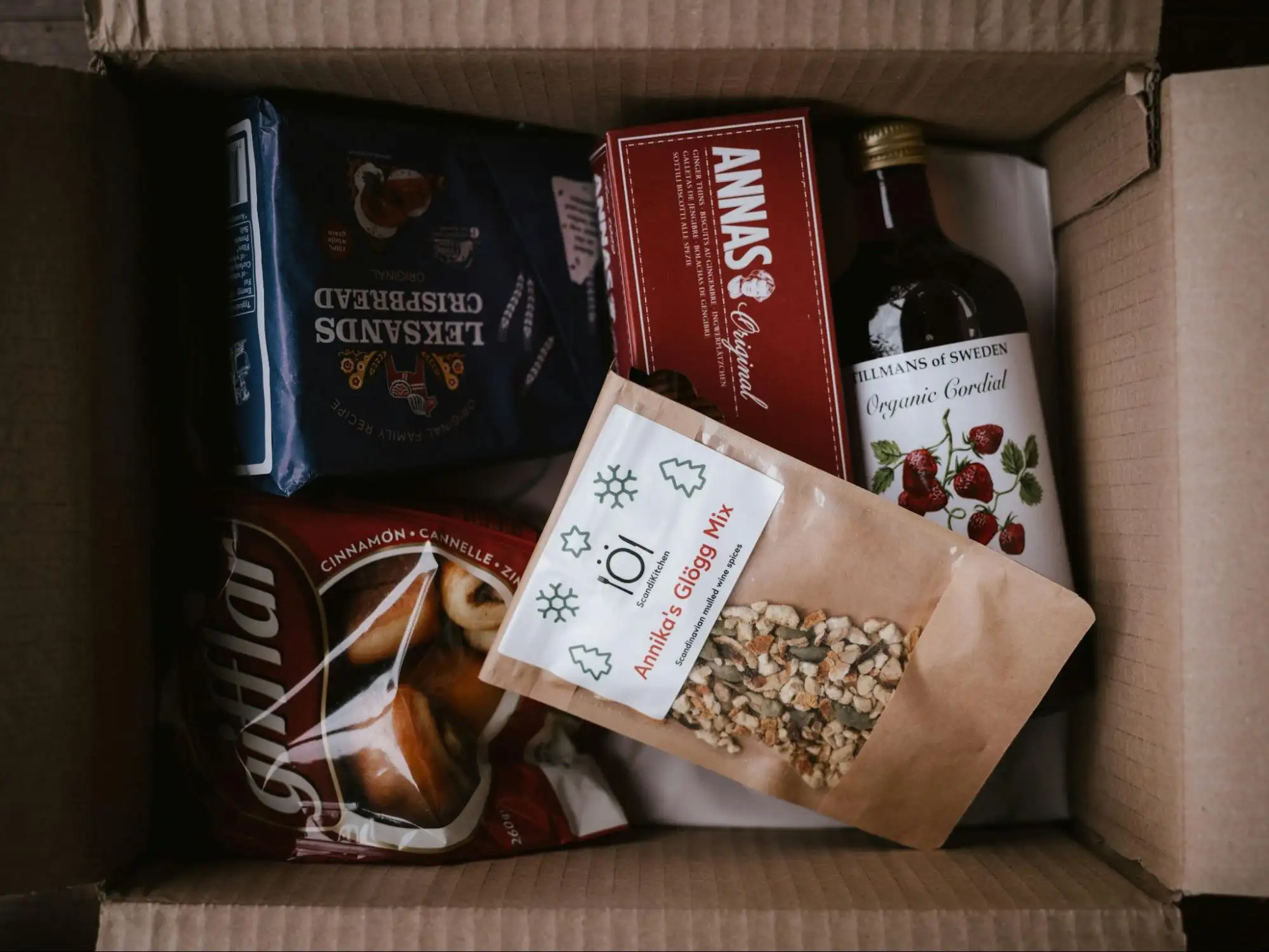
Some of the most common approaches include the following.
Static Kitting
Static kits have predetermined components that generally remain the same.
For example:
SKU KIT-100
- 1 Product A
- 1 Product B
- 2 Product C
- 1 instruction booklet
The warehouse can assemble a predetermined quantity of KIT-100 and place the completed kits into inventory.
Static kitting works particularly well for products with consistent demand and predictable configurations.
Dynamic Kitting
Dynamic kitting provides greater flexibility.
Instead of maintaining large quantities of finished kits, components may be assembled according to predefined order rules or closer to the time an order is processed.
This approach can be useful when bundle configurations change frequently or when the same inventory needs to remain available for individual sale.
Dynamic programs can provide merchandising flexibility, although they generally require more operational coordination than simple static kits.
Promotional Kitting
Marketing campaigns frequently create short-term fulfillment requirements.
A brand might launch:
- A holiday gift box
- A limited-edition bundle
- A product launch kit
- An influencer package
- A free-gift-with-purchase promotion
- A retail promotional display
These projects often involve specific launch dates and large quantities that must be completed within a defined production window.
Outsourcing kitting can be particularly useful in these situations because the fulfillment partner can coordinate assembly, quality control, inventory preparation, and distribution alongside the brand's regular fulfillment operation.
Subscription Box Kitting
Subscription boxes create a different challenge: repetition at scale.
Hundreds or thousands of boxes may need to contain the same products, inserts, samples, and promotional materials and ship within a narrow time window.
A well-designed assembly process creates repeatability.
The fulfillment partner can establish documented work instructions defining component quantities, product placement, packaging, inserts, labeling, and quality checks.
That helps ensure the first box and the 10,000th box are assembled to the same specifications.
Inventory Management Is Critical to Successful Kitting
Kitting may simplify outbound fulfillment, but it introduces another layer of inventory management.
A finished kit depends on the availability of every required component.
Imagine a kit containing five products. The warehouse has enough inventory of four components to build 10,000 kits, but only 4,000 units of the fifth component.
The actual build capacity is 4,000 kits.
This is why accurate component inventory and bill-of-materials management are important.
A fulfillment operation needs to understand what inventory is available as individual units, what has been allocated to kit production, what has already been consumed during assembly, and how many finished kits are available for sale.
Inventory accuracy becomes especially important when components can be sold both individually and as part of several different kits.
Brands should therefore evaluate kitting as both an assembly process and an inventory management technique.
The warehouse management and order management systems supporting the operation should provide visibility into component inventory and finished goods so brands can make informed replenishment and merchandising decisions.
When Does Kitting Make Sense for Your Business?
Kitting can deliver significant benefits, but it should solve a specific operational or merchandising problem.
It may be worth considering when:
- Customers frequently purchase the same combination of SKUs.
- Your brand regularly launches bundles, starter kits, or gift sets.
- Subscription boxes require consistent recurring assembly.
- Promotions create large bursts of identical multi-item orders.
- Individual pick-and-pack activity is becoming labor-intensive.
- You want greater consistency in product presentation.
- Retail customers require products or displays assembled to defined specifications.
- Your internal team is spending too much time performing manual assembly.
Volume matters, but so does repetition.
A relatively modest-volume program with highly repeatable assembly requirements may be a good kitting candidate, while a high-volume business in which virtually every order has a unique product combination may gain less from pre-kitting.
Inventory flexibility matters as well.
Building 20,000 kits may look efficient from an assembly standpoint, but not if demand only supports 5,000. The remaining finished kits may have to be disassembled later so the components can be sold elsewhere.
A strong kitting strategy therefore balances assembly efficiency with inventory flexibility.
What to Look for When Outsourcing Kitting
As kitting programs grow, many brands reach a point where internal assembly becomes difficult to manage.
Boxes may be assembled in an office, back room, or warehouse area that was never designed for production. Employees are pulled away from other responsibilities. Inventory becomes difficult to reconcile. Large promotions create temporary labor requirements.
A 3PL with established kitting services can move that work into a structured warehouse process.
When evaluating a potential partner, consider whether the provider can support:
- Detailed work orders and bills of materials
- Component and finished-goods inventory tracking
- Barcode scanning and inventory controls
- Quality-control procedures
- Custom packaging and labeling
- Inserts and promotional materials
- High-volume assembly projects
- Recurring subscription programs
- Retail and DTC fulfillment
- Rework or refurbishment when necessary
- Reporting and inventory visibility
Technology is particularly important.
The physical act of assembling kits may be straightforward. Maintaining accurate inventory while thousands of components move from individual stock into finished kits is where disciplined processes and systems become essential.
Kitting With a2b Fulfillment
At a2b Fulfillment, kitting and assembly are part of a broader suite of value-added fulfillment services designed to help brands manage operations beyond basic pick, pack, and ship.
Our teams can execute kitting and assembly projects using defined work orders, bills of materials, and quality-control processes. That can include everything from straightforward product bundles to more involved assembly and point-of-sale build programs.
Because kitting takes place within the same fulfillment network handling inventory and outbound orders, finished kits can move directly into the fulfillment process once assembly is complete.
For brands, that means fewer handoffs between vendors and greater coordination between inventory, assembly, and shipping.
Whether the objective is preparing a seasonal promotion, supporting subscription boxes, creating retail-ready products, or improving the efficiency of frequently ordered bundles, the right solution begins with understanding the products, order profile, volume, and inventory requirements.
Kitting: The Bottom Line
Kitting turns multiple individual products into a ready-to-ship unit.
For the right operation, that relatively simple change can have an impact throughout the supply chain.
Brands can use bundles to encourage larger purchases and increase average order value. Fulfillment operations can reduce repetitive picking and simplify high-volume order processing. Customers can receive a more consistent, intentional experience.
But successful kitting requires more than putting products into a box.
Inventory accuracy, assembly procedures, quality control, demand planning, and systems integration all determine whether the process actually creates efficiency.
As your brand grows, outsourcing kitting to an experienced fulfillment partner can provide the infrastructure and operational capacity needed to scale bundles, promotions, subscription programs, and other value-added projects without turning your own operation into an assembly line.
Talk to a2b Fulfillment about how kitting and assembly can fit into your fulfillment strategy.
Frequently Asked Questions About Kitting
What is kitting in fulfillment?
Kitting in fulfillment is the process of grouping multiple products or components into a single unit or ready-to-ship SKU. Kits are often assembled in advance so the completed unit can be inventoried, picked, packed, and shipped more efficiently.
How does kitting help increase average order value?
Kitting can support higher average order value by allowing brands to merchandise complementary products as bundles, value packs, starter sets, or curated collections. Customers may choose the higher-value bundle because it provides convenience, perceived savings, or a more complete solution than purchasing a single item.
What are examples of kitting in ecommerce?
Common examples include skincare routines, subscription boxes, holiday gift sets, sample packs, starter kits, electronics bundled with accessories, multi-packs, promotional packages, and product-and-refill combinations.
Is kitting the same as product bundling?
Not exactly. Product bundling is primarily a merchandising strategy, while kitting is the operational process used to assemble the components of that bundle into a finished unit. A brand can market products as a bundle without physically pre-kitting them, although pre-kitting may make fulfillment more efficient when demand justifies it.
Why should ecommerce brands use kitting services?
Brands may outsource kitting to reduce internal assembly work, improve consistency, support promotions and subscription programs, and integrate assembly with inventory management and fulfillment. An experienced 3PL can also provide processes for work orders, component tracking, quality control, and finished-goods inventory.